2026 Best Cable Material Which is the Most Durable Option?
Choosing the right cable material is crucial for durability and performance. In the vast world of cables, various materials compete for attention. Each type has its unique strengths and weaknesses. Some resist corrosion well, while others handle stress better.
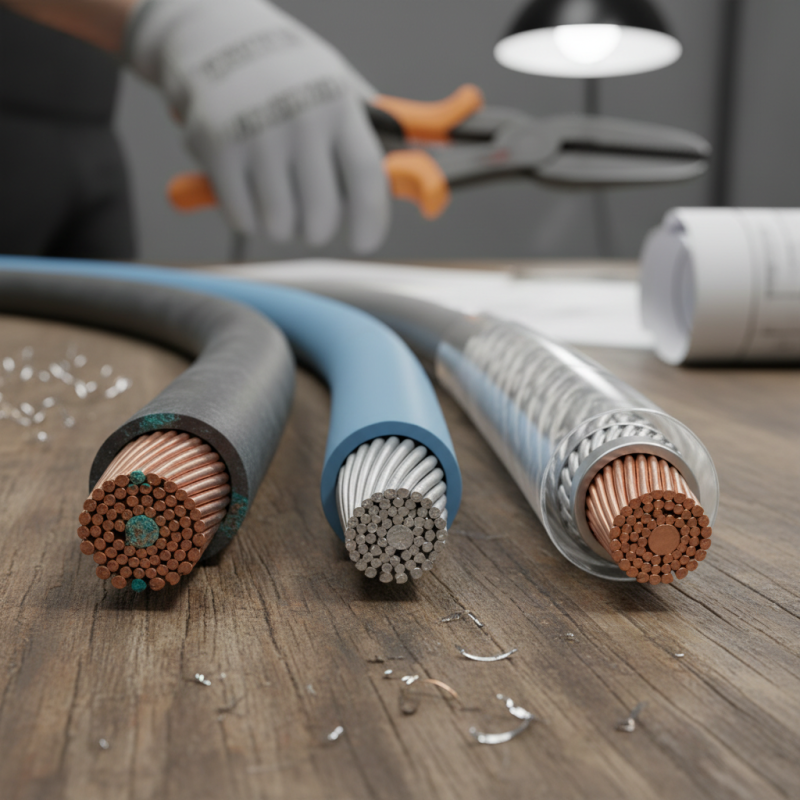
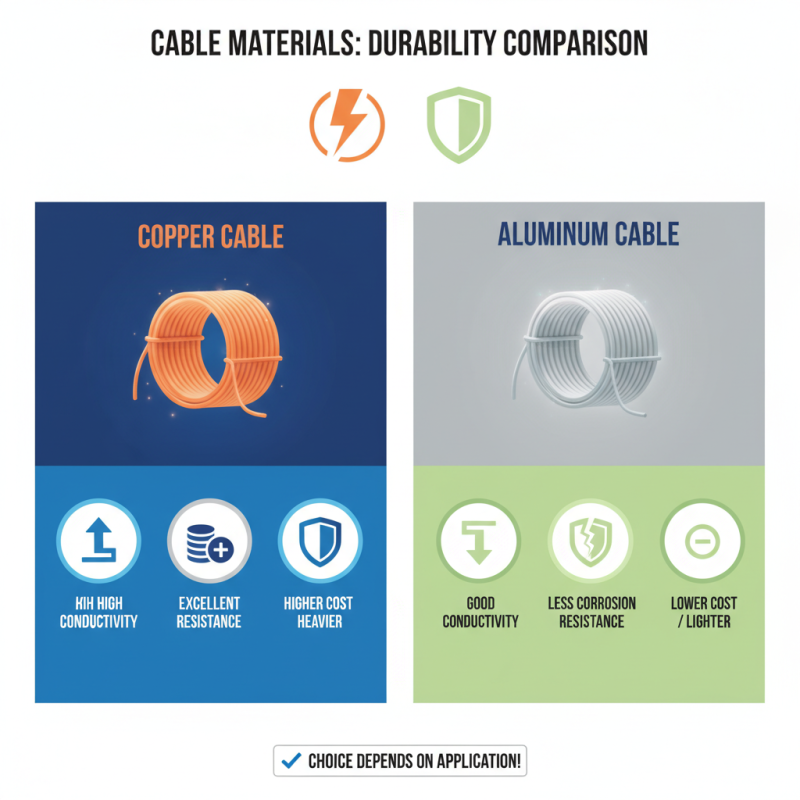
Copper and aluminum are popular choices. Copper wires are excellent conductors of electricity. They last long and withstand the elements. Aluminum, on the other hand, is lightweight and often more affordable. However, it can oxidize and lose conductivity over time.
It's essential to consider what you need. Not all cable materials will suit every application. Factors like climate, environmental exposure, and electrical load all matter. Ultimately, knowing these details helps make the best decision. This guide explores the top cable materials, focusing on durability.
Understanding Cable Materials: An Overview
When choosing the right cable material, it's essential to understand their properties. Various materials offer unique benefits. Copper, for instance, boasts excellent conductivity. However, its susceptibility to corrosion can be a drawback. This weakness may lead to performance loss over time, especially in harsh environments.
Aluminum is another popular choice. It’s lightweight and cost-effective. Yet, aluminum can require more maintenance if not properly insulated. Users should be cautious about its strength compared to copper. Using the right connectors and installation practices is vital. Otherwise, issues may arise.
Consider materials like fiber optic cables as well. They provide high-speed data transfer and are immune to electromagnetic interference. However, fiber optics can be more fragile than metal cables. This fragility may lead to breakage if not handled correctly. Understanding the strengths and weaknesses of each material can help in making informed decisions.
2026 Best Cable Material Which is the Most Durable Option? - Understanding Cable Materials: An Overview
| Cable Material |
Durability Rating (1-10) |
Flexibility Rating (1-10) |
Cost per Meter ($) |
Resistance to Environmental Factors |
| Copper |
9 |
6 |
5 |
Moderate |
| Aluminum |
7 |
8 |
3 |
High |
| Fiber Optic |
8 |
5 |
12 |
Very High |
| PVC Insulated |
6 |
7 |
2 |
Low |
| Silicone Rubber |
8 |
9 |
10 |
Moderate |
Key Properties that Determine Cable Durability
When considering cable materials, several key properties influence durability. One crucial factor is tensile strength. This property determines how much pulling force a cable can withstand before breaking. A strong tensile strength indicates high durability, making it vital for demanding applications. Flexibility is equally important. Cables need to endure bending without fracturing. Rigid cables may show fatigue after repeated use.
Another significant factor is resistance to environmental conditions. Cables exposed to moisture, heat, or chemicals need materials that can resist degradation. Prolonged exposure can lead to failure, compromising safety and performance. Special coatings or treatments can enhance these properties, but they may increase costs.
Finally, weight also plays a role. Heavier cables can be more durable but challenging to handle. Balancing weight and strength requires thoughtful design. In the end, the best choice balances these factors while meeting specific needs. Each option comes with trade-offs, pushing for thoughtful decisions. It's essential to reflect on how different materials will perform over time, considering your unique circumstances.
Comparative Analysis of Common Cable Materials
When choosing cable materials, durability is key. A comparative analysis reveals significant differences among common options. According to industry reports, copper and aluminum remain the most widely used materials. Copper boasts excellent conductivity and resistance to corrosion. However, it is heavier and more expensive. Aluminum, on the other hand, is lighter and more cost-effective. Yet, it may not endure harsh conditions as well as copper.
Other materials like fiber optic cables are emerging. They transmit data faster and are more immune to electromagnetic interference. The durability of these cables can be affected by environmental factors. For instance, fiber optics are sensitive to bending and impact. Testing shows that fibers can break under certain stresses, limiting their effectiveness in rough conditions.
Polymer-based cables are also gaining traction. They offer flexibility and resistance to chemicals, making them suitable for various applications. However, they may not last as long as metal options. Some polymers degrade over time under UV exposure. Understanding these nuances can help in making informed choices. Careful consideration of the application context is essential. Each material has its strengths and weaknesses, emphasizing the need for careful selection based on specific requirements.
Long-term Performance: Which Material Lasts the Longest?
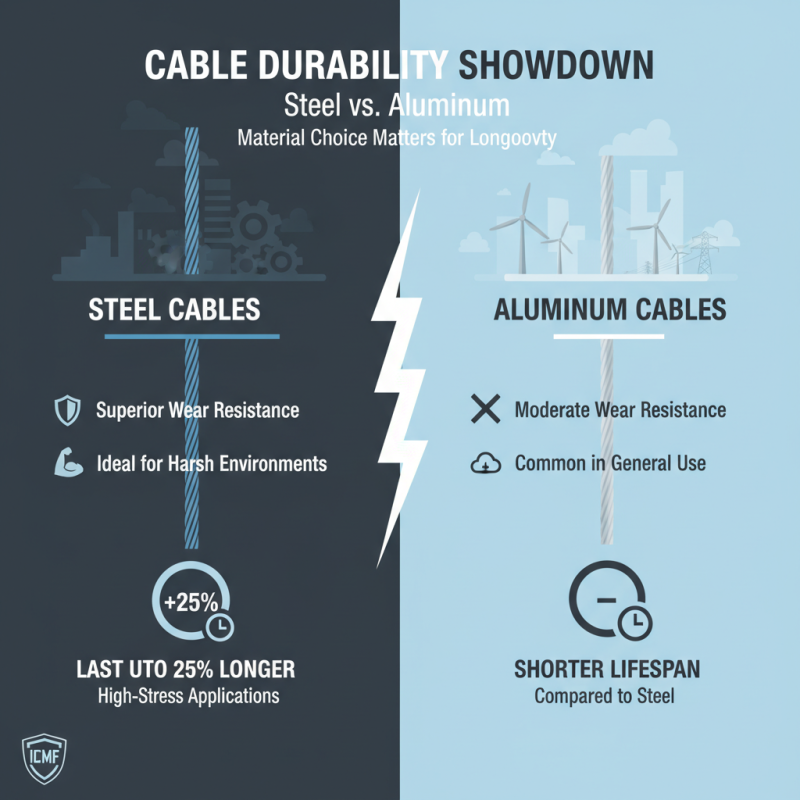
When it comes to cables, material choice is crucial for longevity. Steel and aluminum are popular, yet their durability varies. Steel cables often resist wear better than aluminum, particularly in harsh environments. A report by the International Cable Manufacturers Federation indicates that steel cables can last up to 25% longer than their aluminum counterparts in high-stress applications.
Copper cables are known for their conductivity but have durability challenges. Over time, copper can corrode, especially in damp conditions. According to industry studies, corrosion can reduce copper cable life by 15-20%. Proper insulation and protective coatings can help, but they add complexity to design. Choosing the right coating is vital, and not all coatings perform equally.
Finally, fiber optic cables present an alternative. They are lightweight and resistant to electromagnetic interference, yet can be fragile. Industry data shows that while fiber optic cables can offer decades of performance, improper handling can lead to breakage. In contrast, traditional materials like copper and steel might withstand physical stress better. Real-world testing reveals that the choice of material often reflects a balance between flexibility and strength, prompting users to think critically about their applications.
Factors Influencing Cable Durability in Different Environments
When considering cable durability, various factors come into play. Environmental conditions significantly impact the lifespan of different cable materials. For instance, exposure to extreme temperatures can degrade insulation, leading to potential failures. Cables used outdoors face additional risks, like UV rays and moisture. These elements can weaken the material over time.
Tips for selecting the right cable include assessing your environment. If cables are subject to high humidity, look for moisture-resistant options. Similarly, temperature fluctuations necessitate cables designed for thermal expansion. Pay attention to flexibility as well; stiffer cables may crack under harsh conditions.
Sometimes, a cable seems fine yet fails unexpectedly. Regular inspections can help identify early signs of wear. Check for frayed insulation or corrosion at connectors. It’s crucial to be proactive. Ensure to choose cables with suitable ratings for your specific needs. This small step can lead to significant savings and fewer hassles later.