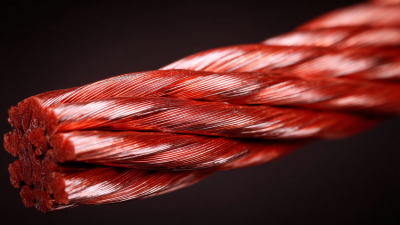
2026 Best PVC Cable Material What You Need to Know?
In the world of electrical wiring, the choice of material can make all the difference. As we look ahead to 2026, understanding the best PVC cable material becomes crucial for manufacturers and consumers alike. Electrical engineer and PVC specialist, Dr. Jane Thompson, once stated, "Choosing the right PVC cable material ensures durability and safety." This underscores the importance of selecting materials that meet industry standards.
PVC, or polyvinyl chloride, has long been a favorite in the cable industry. Its versatility and flexibility make it ideal for various applications. However, not all PVC cable materials are created equal. Some may not withstand extreme conditions or might degrade faster over time. These factors can compromise safety and performance.
As we delve into the details of the best PVC cable materials, it’s essential to recognize potential shortcomings. Some materials may lack environmental friendliness. Additionally, the cost-effectiveness of certain options could raise concerns. The right balance between quality, cost, and sustainability is vital for both producers and end-users. Understanding these nuances will help you make more informed decisions in the coming years.
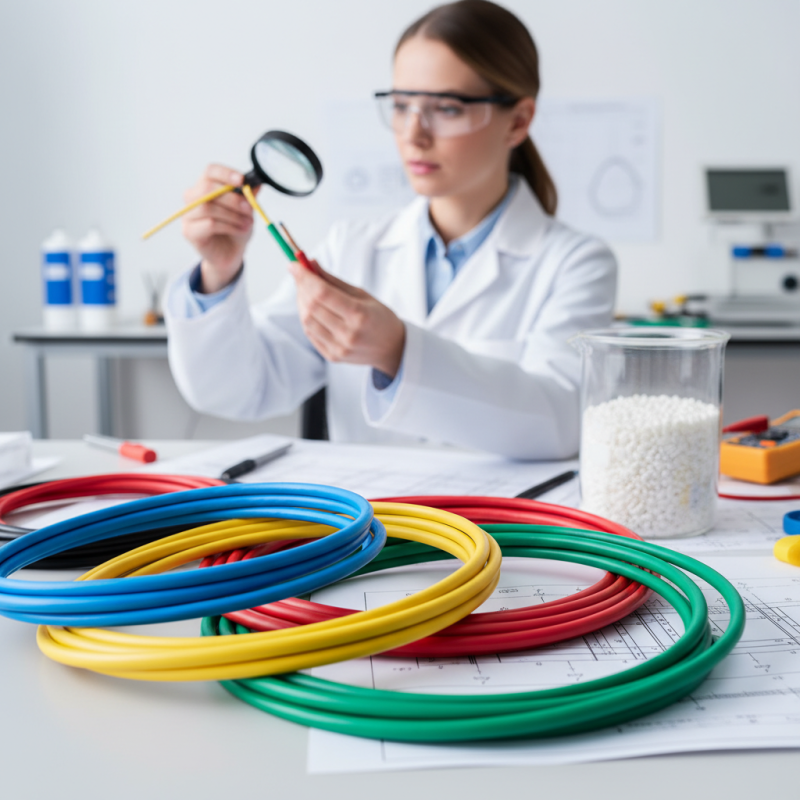
Understanding PVC Cable Materials and Their Applications
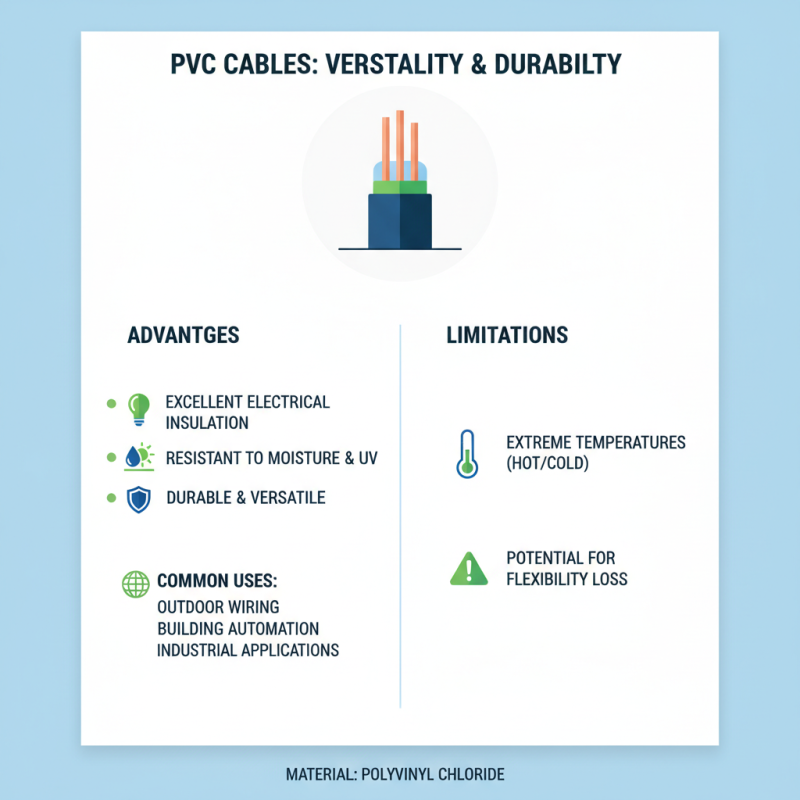
PVC cables are widely used due to their versatility and durability. The material itself is polyvinyl chloride, which provides excellent electrical insulation. These cables can withstand various environmental conditions. They resist moisture and UV radiation, making them ideal for outdoor use. However, PVC can have limitations, especially in extreme temperatures.
Applications of PVC cables span across many industries. They are common in electrical wiring, telecommunications, and construction. Many people overlook the importance of cable materials. Choosing the right material can significantly impact performance. Not every PVC cable is suitable for heavy-duty tasks, so understanding the specifications is crucial.
While PVC cables are generally reliable, they aren’t perfect. Some users have reported issues with flexibility. Cables can become stiff over time. This may pose challenges during installation. It's essential to consider these factors when selecting a cable. Even though PVC is popular, alternatives exist that may offer better performance in specific scenarios. Exploring these options can lead to better outcomes in your projects.
Key Properties of PVC for Electrical Cables
PVC, or polyvinyl chloride, is a popular material for electrical cables. Its key properties make it a preferred choice in many applications. PVC is known for its excellent insulation properties. It resists moisture and many chemicals, making it durable. This allows cables to perform well in various environments.
One notable feature is flexibility. PVC cables can bend and twist without losing functionality. However, excessive bending can lead to wear. This is something to keep in mind during installation. Choosing the right cable means selecting one that suits your specific needs.
Tips: Always check the cable's temperature rating. High temperatures can degrade PVC over time. Make sure cables are not exposed to prolonged sunlight; UV exposure can cause brittleness. Finally, consider the cable's application before buying. The wrong choice can result in failures and costly repairs.
Comparative Analysis of PVC and Other Cable Materials
When considering cable materials, PVC stands out for its versatility and affordability. According to a recent industry report, PVC cables account for over 50% of the global market share. This widespread use can be attributed to their excellent insulation properties and resistance to chemicals and abrasion. However, contention exists regarding the environmental impact of PVC production.
In contrast, other materials like XLPE and rubber offer distinct advantages. For example, XLPE cables provide better thermal resistance and can handle higher voltages. They are often favored in industrial applications. However, the cost can be a significant barrier. A study found that XLPE cables can be up to 30% more expensive than their PVC counterparts. Rubber cables, while highly flexible, face issues with temperature tolerance and aging.
It's important to analyze these factors critically. Each material has its use cases and drawbacks. For instance, PVC's lower upfront cost may lead to overlooked long-term environmental effects. Industry professionals must weigh these considerations carefully. The right choice will depend on specific application needs and sustainability goals.
Environmental Considerations in PVC Cable Production
Environmental considerations play a significant role in
PVC cable production. According to a recent industry report, the production of PVC generates a considerable amount of
greenhouse gases. PVC cables are favored for their durability, but this comes with environmental costs. The energy-intensive manufacturing process relies heavily on fossil fuels.
Recycling rates for PVC are not encouraging. Only about
10% of PVC produced worldwide is recycled. This indicates a gap in sustainable practices within the industry. As the demand for energy-efficient solutions increases,
companies must prioritize eco-friendly processes.
Another aspect to consider is the lifecycle of PVC cables. Proper disposal methods are crucial. When improperly discarded, PVC can release harmful chemicals into the environment.
Industry standards suggest that manufacturers should invest in
cleaner alternatives, aiming for circular economy principles.
Improvements are needed in both production and end-of-life strategies.
Future Trends in PVC Cable Technology and Innovation
As we look towards the future of PVC cable technology, several key trends are emerging. The increasing demand for sustainable materials is reshaping the industry. Recent reports suggest that the global market for PVC cable is expected to grow at a CAGR of 5.5% through 2026. This growth is driven by the rising need for environmentally friendly alternatives and the efficient properties of PVC.
Innovations in manufacturing processes are also significant. Advances in additive technology enhance the performance of PVC cables. These improvements lead to greater resistance to heat, chemicals, and UV radiation. More energy-efficient manufacturing processes are also being adopted, reducing the carbon footprint of cable production.
Tips: When selecting PVC cables, check if they meet industry standards for environmental impact. Evaluate the insulation performance metrics in the specifications. Knowing trends helps in choosing the right material for projects that aim for sustainability.
However, despite these advancements, challenges remain. Many manufacturers still rely on traditional production methods. This inconsistency can lead to variations in quality. Understanding these nuances is crucial for making informed choices. As the sector evolves, staying updated with innovations is vital for all stakeholders.
2026 Best PVC Cable Material: What You Need to Know
| Material Type |
Thermal Stability (°C) |
Mechanical Strength (MPa) |
UV Resistance |
Flame Retardancy Rating |
Application Area |
| Standard PVC |
70 |
45 |
Moderate |
V-2 |
Power Cables |
| Flexible PVC |
80 |
30 |
High |
V-0 |
Household Appliances |
| Low Smoke Zero Halogen (LSZH) PVC |
90 |
50 |
Low |
V-1 |
Commercial Buildings |
| Rigid PVC |
60 |
65 |
Moderate |
V-2 |
Construction and Wiring |
| Eco-Friendly PVC |
75 |
40 |
High |
V-0 |
Renewable Energy Systems |