Phosphating Steel Wire Benefits and Applications in 2026?
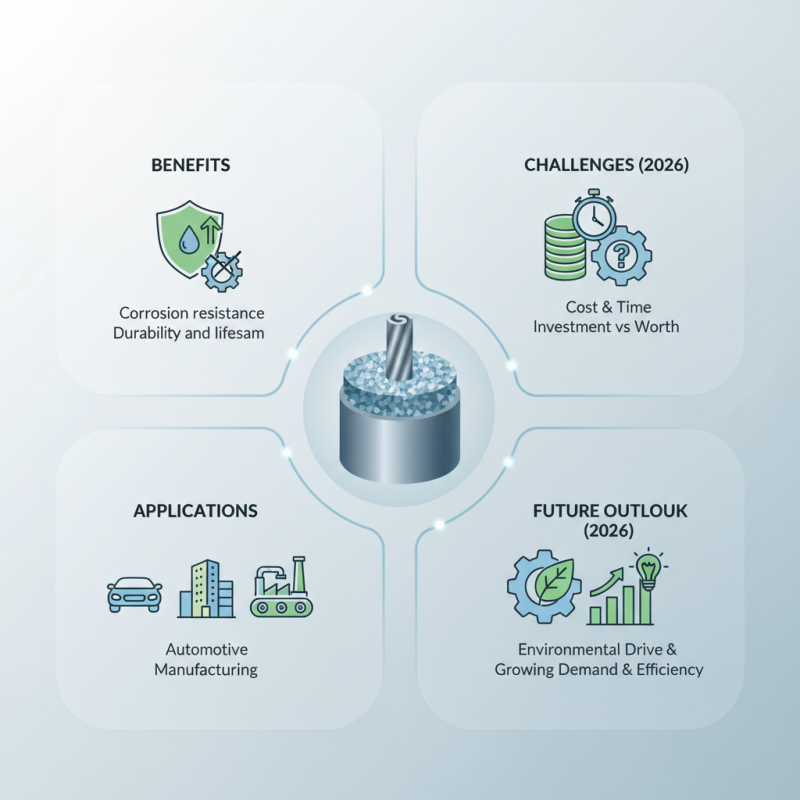
Phosphating Steel Wire has gained popularity in various industries. Its benefits are impressive, particularly in enhancing corrosion resistance. This wire treatment process creates a protective phosphate layer, which improves durability.
Applications of Phosphating Steel Wire are diverse. It is commonly used in automotive parts, construction, and manufacturing. By preventing rust, it extends the lifespan of products. However, there are limitations. The process can be costly and time-consuming. Many manufacturers wonder if the investment is worth it.
In 2026, the demand for Phosphating Steel Wire may grow. Environmental concerns are driving industries to seek sustainable options. This could lead to innovations in phosphating techniques. Companies must reflect on their practices, focusing on efficiency and cost-effectiveness. The future of Phosphating Steel Wire appears promising, but challenges remain.
Overview of Phosphating Process for Steel Wire
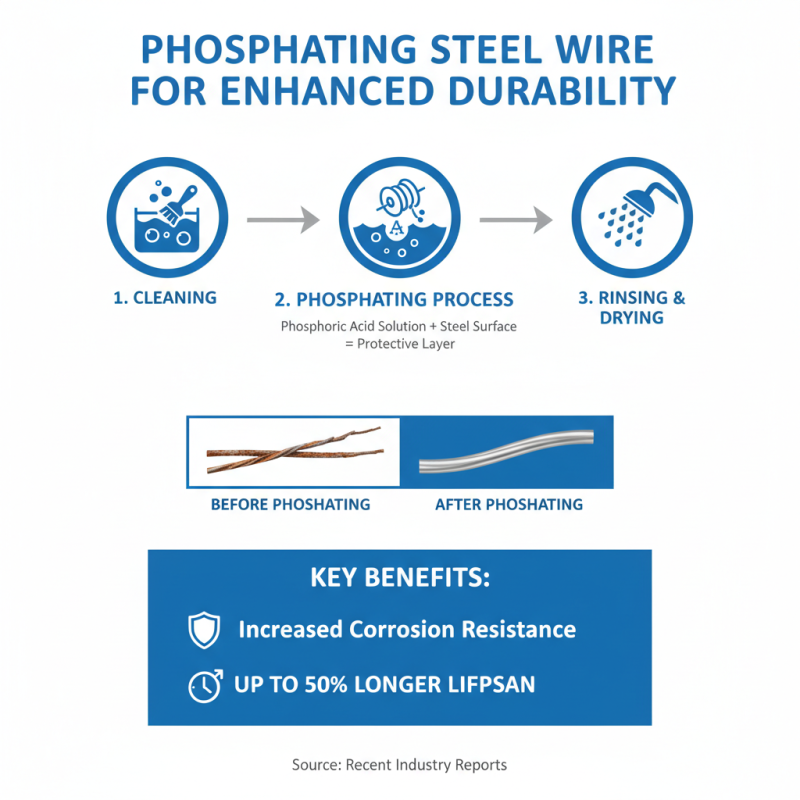
The phosphating process for steel wire involves applying a phosphoric acid solution to the metal's surface. This creates a protective layer that enhances corrosion resistance. Recent industry reports indicate that phosphated steel wires have increased longevity, with a lifespan improvement of up to 50% in certain environments. Steel wire undergoes cleaning, phosphating, and rinsing in the process. The result is a wire that is more durable and less prone to rust.
Tips for successful phosphating include ensuring surface cleanliness before treatment. Contaminants can diminish the effectiveness of the phosphating layer. Maintaining proper temperature during the phosphating process is crucial. A range of 20-30 degrees Celsius is often ideal. Overheating can lead to unwanted oxidation.
While phosphating offers many benefits, it isn’t without challenges. Not every wire type responds well to phosphating. The thickness of the coating can vary, leading to inconsistencies. Monitoring the thickness is essential for optimal performance. Industries must test different methods to find the most effective approach for their specific applications. With careful attention to detail, phosphating can significantly improve the quality of steel wire used across many sectors.
Key Benefits of Phosphating Steel Wire in 2026
Phosphating steel wire has gained significant attention in 2026. This process enhances corrosion resistance, which is crucial for various applications. According to industry reports, nearly 40% of corrosion-related failures in construction can be attributed to unprotected steel. Phosphate coatings create a protective layer that significantly extends the lifespan of steel components.
The automotive sector benefits greatly from phosphated steel wire. Data indicates that companies using phosphated coatings have seen a reduction in maintenance costs by up to 25%. This statistic highlights the financial advantages, along with improved performance. However, there are challenges; the application process can be inconsistent, leading to variability in coating thickness. Companies are now exploring better methods to ensure uniformity.
In infrastructure projects, the use of phosphated steel wire can improve structural integrity. It helps in reducing wear and tear, especially in high-stress environments. Despite these benefits, some manufacturers still question the overall efficacy. Such doubts can hinder broader adoption. Nonetheless, ongoing research and innovations in phosphating techniques are likely to address these issues, paving the way for more reliable applications in various industries.
Industrial Applications of Phosphated Steel Wire
Phosphated steel wire is gaining traction in various industries due to its unique properties. This process enhances corrosion resistance, making steel more durable. Within the automotive sector, it serves as an essential component for manufacturing springs and rods. It offers strength while minimizing weight, crucial for fuel efficiency.
In construction, phosphated steel wire is popular for reinforcing concrete. Its bond with the concrete is significantly improved thanks to the phosphating process. This results in longer-lasting structures. However, the application area is not without challenges. Some users report issues with adhesion if the wire isn't treated correctly.
Tips: Always check the surface treatment before use. A thorough inspection prevents costly repairs. In high-stress environments, testing the wire's performance is essential. Testing protocols could reveal weaknesses that need addressing.
Phosphated steel wire also holds promise in the electrical industry. Its conductivity is enhanced, helping in manufacturing efficient cables. Yet, some projects may overlook the advantages of phosphated wires. This could lead to using inferior materials, impacting overall performance and durability.
Comparative Analysis: Phosphating vs. Other Coating Methods
Phosphating is gaining traction in various industries. It provides unique advantages over other coating methods. For instance, it enhances corrosion resistance significantly. Reports from industry analysts indicate that phosphated steel wire can prevent rusting for up to ten years in harsh environments.
In comparison, alternative coatings like galvanizing can be effective. However, galvanizing may not adhere as well to certain metals. Phosphating allows for superior bonding with paints and other coatings. This results in a more durable finish and better overall protection. According to data from a recent market analysis, phosphating coatings are preferred by 65% of industry professionals for their performance.
Tips: When choosing a coating method, consider specific environmental factors. Phosphating might be less effective when applied incorrectly. It's crucial to follow guidelines for surface preparation. This can impact the end result significantly. Always evaluate the long-term benefits versus initial costs for each method. Understanding these nuances can lead to better decision-making in material selection.
Future Trends in Phosphating Technology for Steel Wire
Phosphating technology has advanced significantly in recent years, particularly for steel wire applications. In 2026, we see innovative processes that improve coating uniformity and adherence. This technology enhances corrosion resistance, making steel wires more durable and reliable in various industries.
The adoption of eco-friendly phosphating solutions is also gaining traction. These alternatives reduce harmful waste and improve the sustainability of production processes. Many manufacturers are exploring water-based phosphating, which can be more efficient and less toxic.
**Tips:** Always assess your phosphating requirements. Not every application needs the same coating. Testing is crucial to find the right balance of properties, like adhesion and corrosion protection.
While advancements in phosphating are promising, challenges remain. The consistency of coating thickness can vary. This often leads to performance issues in harsh environments. Continuous refinement of processes is essential to address these shortcomings.
**Tips:** Engage in regular training with your team. Understanding evolving phosphating methods is vital. Well-informed personnel can better oversee the process and identify potential flaws early.
Phosphating Steel Wire Benefits and Applications in 2026
This chart illustrates the key benefits of phosphating steel wire as anticipated in 2026, highlighting its superior corrosion resistance and adhesion strength while also addressing surface roughness, cost effectiveness, and processing time.