Top 5 Benefits of Using Galvanized Steel Wire for Industries?
In today's competitive industrial landscape, the use of Galvanized Steel Wire has become increasingly popular. According to industry expert John Smith, "Galvanized Steel Wire offers unmatched durability and resistance against corrosion." This statement highlights a key reason for its widespread adoption across various sectors.
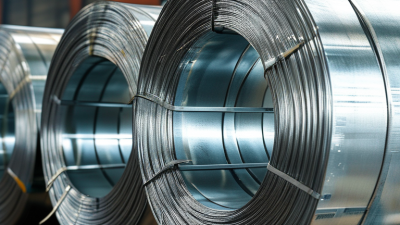
Galvanized Steel Wire is not just about strength. Its versatility plays a vital role in construction, agriculture, and manufacturing. The protective zinc coating ensures that the wire can withstand harsh environments, making it a reliable choice. This wire also comes in various thicknesses and forms, adapting to specific industry needs.
However, the benefits of using Galvanized Steel Wire do not come without challenges. There are concerns about its environmental impact, particularly during production. Additionally, industries must evaluate the long-term performance of galvanized products. Balancing these factors is crucial for making informed decisions. Ultimately, the merits of Galvanized Steel Wire present noteworthy advantages for industries willing to invest in quality materials.
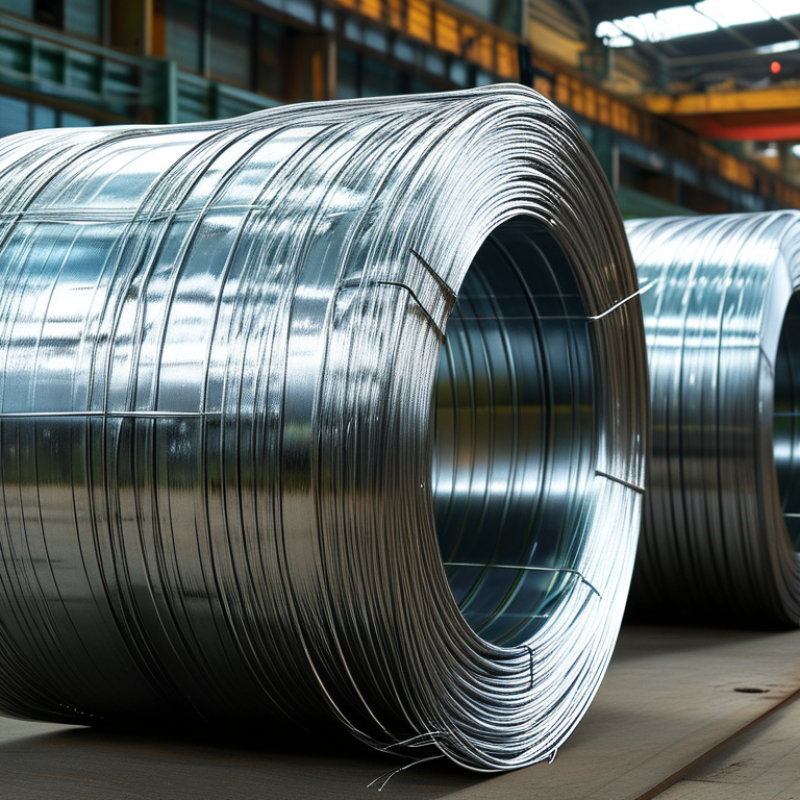
Benefits of Corrosion Resistance in Galvanized Steel Wire
Galvanized steel wire is widely recognized for its corrosion resistance. This feature stems from a protective zinc layer that shields the steel from moisture and other corrosive elements. Industries across various sectors benefit from this durability. Structures exposed to harsh environments, such as bridges or coastal buildings, gain a significant lifespan when utilizing galvanized wire.
Corrosion can be a silent destroyer, leading to costly replacements. Galvanized wire resists rust and reduces maintenance needs. This characteristic not only enhances safety but also contributes to lower operational costs. In agriculture, for example, fencing made from this wire withstands weather extremes without deteriorating quickly. It is essential to consider how well this solution can fit specific applications.
Workers should inspect galvanized steel periodically to ensure its protective coating remains intact. While the wire is robust, improper installation or damage can compromise its effectiveness. Reflecting on the choice of materials is crucial. Selecting galvanized steel wire can be a reliable decision for long-term projects aiming for sustainability and strength in challenging conditions.
Enhanced Durability and Longevity of Industrial Applications
Galvanized steel wire is known for its enhanced durability and longevity in industrial applications. This strength comes from a protective zinc coating, which prevents rusting and corrosion. Such features make it an excellent choice for various industries, including construction and agriculture. Industrial applications benefit significantly from this material’s ability to withstand harsh environmental conditions.
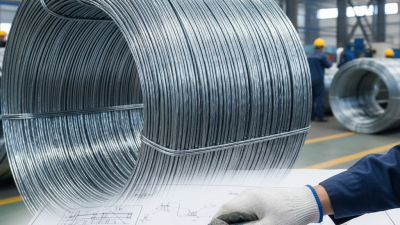
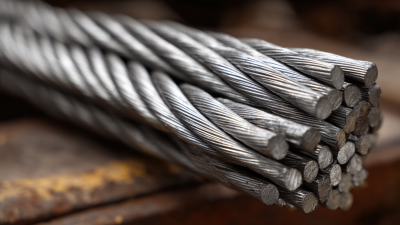
When using galvanized steel wire, consider the thickness. Thicker wire provides greater strength but may be less flexible. Ensure you choose the right gauge for your specific needs. For example, if you are using it in fencing, a thicker wire will offer better resilience against tension and wear.
Keep in mind that regular inspections of galvanized steel installations are crucial. While the coating protects against early corrosion, it can wear off over time. Look for signs of rust or damage regularly. Proper maintenance can help prolong the life of these installations, ensuring better performance.
Cost-Effectiveness of Galvanized Steel Wire in Manufacturing
Galvanized steel wire offers significant advantages in manufacturing due to its cost-effectiveness. Coated with zinc, it resists rust and corrosion. This characteristic leads to lower maintenance costs over time, making it an attractive option for industrial applications. Many manufacturers have shifted to using galvanized wire for fencing, construction, and various other purposes. This decision directly impacts their budget positively.
Moreover, the production process of galvanized steel wire is efficient. The cost of raw materials is competitive compared to alternatives. This allows companies to enjoy lower upfront expenses without sacrificing quality. They can use the savings to invest in other critical areas of their business. While the initial investment might seem higher than ordinary steel, the long-term benefits often outweigh this drawback.
It's essential to recognize that while galvanized steel wire is durable, improper handling can lead to issues like premature wear. Manufacturers need to train their employees to manage these materials well. This ensures the longevity they expect from galvanized products. Relying solely on cost should not be the only metric for decision-making. Consider the total lifecycle of the product when choosing materials for projects.
Versatility of Galvanized Steel Wire Across Different Industries
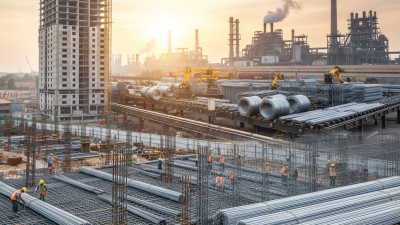
Galvanized steel wire has emerged as a versatile solution across various industries, owing to its unique properties. The coating of zinc provides protection against corrosion, ensuring longevity and durability. In the construction sector, for example, galvanized steel wire is essential for reinforcing concrete structures, as emphasized in the "Global Steel Wire Market Report 2023," which noted a growth in demand due to its strength and resilience.
The agriculture industry also benefits significantly. Farmers use galvanized steel wire for fencing and horticultural applications, promoting superior crop protection. A recent survey indicated that 70% of farmers prefer galvanized options, highlighting their effectiveness in harsh weather conditions.
Tips: When selecting galvanized steel wire, note the gauge for your specific application. Thicker wire provides better strength but may be more challenging to work with. Additionally, consider environmental factors, as excessive exposure to moisture can affect longevity. Regular inspection is important, as wear and tear may compromise effectiveness. Keep these factors in mind to ensure optimal use of galvanized steel wire in your projects.
Eco-Friendliness of Galvanized Steel Wire Production and Use
Galvanized steel wire stands out as an eco-friendly choice for various industries. The production of galvanized steel wire involves a process that protects steel from corrosion. This process enhances the material's longevity, reducing the need for frequent replacements. Fewer replacements mean less resource consumption, leading to a decrease in environmental impact.
Using galvanized steel wire also promotes recycling. Steel can be recycled multiple times without losing its quality. This reduces the demand for raw materials, which conserves natural resources. However, some industries may overlook recycling opportunities due to perceived costs or logistics. This raises questions about sustainability practices in their operations.
Moreover, the use of galvanized steel wire contributes to energy efficiency. Structures made from this material require less maintenance over time. While the initial production might have a carbon footprint, the long-term benefits outweigh these concerns. Industries may need to reflect on their short-term views. Recognizing the advantages of using galvanized steel wire is crucial for enhancing eco-friendliness.
Top 5 Benefits of Using Galvanized Steel Wire for Industries
| Benefit |
Description |
Environmental Impact |
| Corrosion Resistance |
Galvanized steel wire resists rust and corrosion better than untreated steel. |
Reduces the need for frequent replacements, decreasing material waste. |
| Durability |
It has a longer lifespan, making it a cost-effective solution for industrial use. |
Less frequent production and installation contribute to lower emissions. |
| Cost-Effectiveness |
Lower maintenance and replacement costs lead to overall savings. |
Financial savings can lead to more investments in sustainable practices. |
| Versatility |
Can be used in various applications, from construction to agriculture. |
Diverse applications encourage resource-efficient use across industries. |
| Eco-Friendly Production |
Manufactured using processes that minimize environmental impact. |
Lowered carbon footprint during production supports eco-friendly goals. |