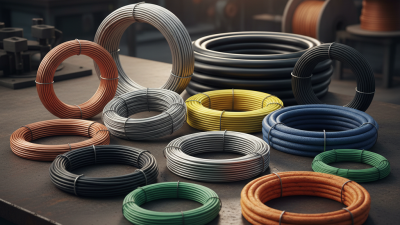
What are the Best Cable Materials for Manufacturing?
Selecting the right cable material is crucial for various industries. The choice impacts performance, durability, and safety. According to a report by the International Cablemakers Federation, copper and aluminum remain dominant materials in cable manufacturing. Copper offers high conductivity, making it ideal for electrical applications. However, aluminum is lightweight and cost-effective, leading to increased usage in overhead power lines.
In recent years, advancements in polymer technology have introduced alternative cable materials. These materials often provide enhanced resistance to environmental factors. For instance, cross-linked polyethylene (XLPE) cables have gained attention for their thermal stability and insulation properties. The market for these advanced materials is projected to grow significantly by 2025, according to analysts at MarketsandMarkets.
However, challenges remain. Not all manufacturers adhere to best practices in material selection. Some may prioritize cost savings over quality. This oversight can lead to failures and safety hazards. Recognizing the best cable material is not just about specifications; it requires a commitment to quality and safety standards across the industry.
Understanding Different Cable Materials: An Overview of Common Choices
When choosing cable materials, understanding their properties is crucial. Various materials serve different functions.
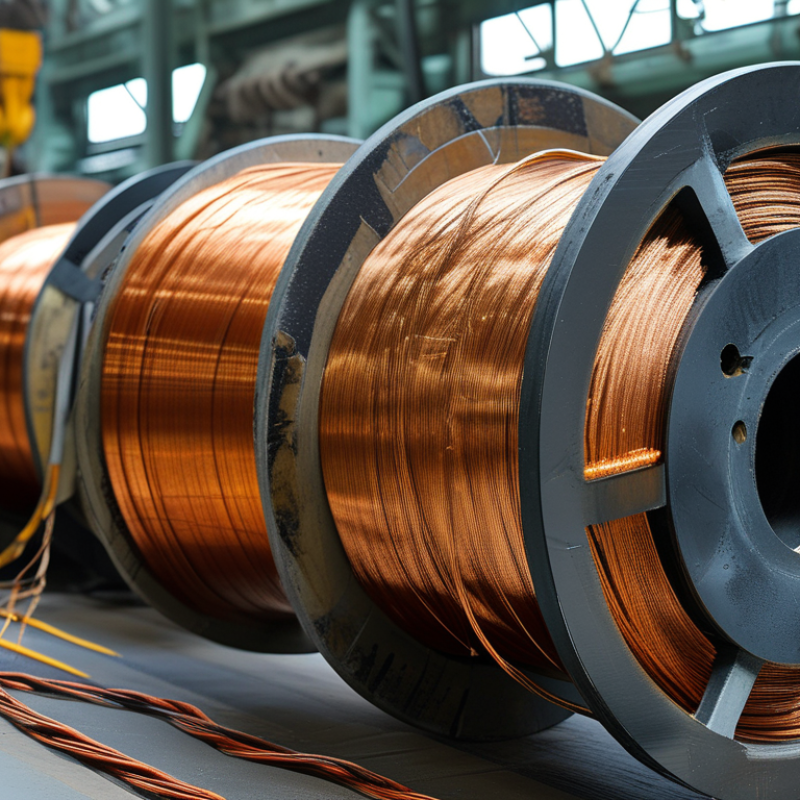
Copper and aluminum are the most common choices, each with unique benefits. Copper offers excellent conductivity and resistance to corrosion. According to the International Cablemakers Federation, nearly 60% of cable production uses copper.
Aluminum, while less conductive than copper, is lighter and cheaper. Its usage has increased by approximately 20% in recent years, particularly in overhead power lines. Recent studies indicate aluminum cables can reduce installation costs by up to 30%. However, they are more prone to oxidation, which affects performance over time.
Other materials, like fiber optics, have transformed communication. Fiber cables can transmit data over long distances with minimal loss. The market for fiber optics is expected to grow by 10% annually, driven by increasing demand for high-speed internet. While options are plentiful, selecting the right material requires careful consideration of both technical and economic factors.
Copper vs. Aluminum: Which Material Offers Better Conductivity?
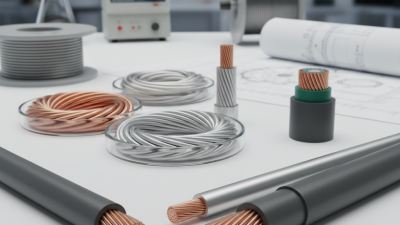
When it comes to electrical conductivity, copper and aluminum are the main contenders. Copper is known for its high conductivity. It can carry electricity more efficiently than aluminum. Many industries still prefer copper for critical applications. The density and tensile strength of copper make it suitable for demanding needs.
On the other hand, aluminum offers advantages in terms of weight. It is lighter than copper, making it easier to install. Aluminum also resists corrosion better in certain environments. However, aluminum has lower conductivity. This means thicker cables are required for equivalent current-carrying capacity. Sometimes, this can lead to increased costs for materials.
Both materials have their pros and cons. Some engineers argue that the weight of aluminum can lead to more significant installation challenges. Others find copper's price and scarcity a significant drawback. It's essential to consider the project requirements carefully. The choice between copper and aluminum should align with the specific application needs. Balancing cost, weight, and conductivity is key. Each project may require a different material for optimal performance.
The Role of Insulation Materials in Cable Performance and Safety
Insulation materials play a crucial role in determining cable performance and safety. Selecting the right insulation is essential for effective energy transfer and reliability. Common insulation options include PVC, polyethylene, and rubber. Each material has its own thermal and chemical resistance properties, which impact cable longevity and functionality.
High-quality insulation prevents electrical leakage and potential hazards. Poor insulation can lead to short circuits or fires. It can compromise the entire electrical system. Inadequate insulation is often a result of cost-cutting during manufacturing. This practice can severely affect safety.
Testing insulation materials is vital. Gather real-world data on their performance under various conditions. The results can sometimes contradict expectations. For instance, certain materials may degrade faster under intense heat than predicted. Continuous improvements in insulation technology are necessary to enhance overall cable safety.
Environmental Considerations: Choosing Sustainable Cable Materials
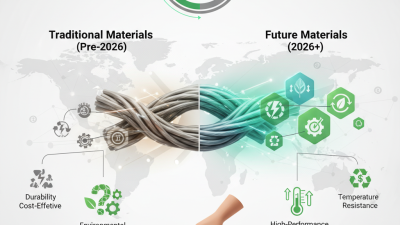
Choosing sustainable cable materials is an important step in reducing environmental impact. Traditional materials often rely heavily on fossil fuels. This reliance contributes to air and water pollution. A shift towards biodegradable or recyclable materials can help mitigate these effects.
Recycled metals and bioplastics are emerging as viable options. They reduce waste and have a lower carbon footprint. However, sourcing these materials can be challenging. There is still a need for more innovation in this field. Manufacturers must prioritize eco-friendliness without compromising product quality.
The lifecycle of cables deserves attention. Manufacturing, usage, and disposal processes all impact sustainability. A focus on sustainable practices can improve overall environmental health. Awareness and innovation are key to making better choices in cable manufacturing.
What are the Best Cable Materials for Manufacturing? - Environmental Considerations: Choosing Sustainable Cable Materials
| Material |
Conductivity (S/m) |
Sustainability Rating |
Cost (USD per kg) |
Recyclability (%) |
| Copper |
5.96 x 10^7 |
Moderate |
6.00 |
90 |
| Aluminum |
3.77 x 10^7 |
High |
3.00 |
95 |
| Silver |
6.30 x 10^7 |
Low |
20.00 |
80 |
| Fiber Optic |
N/A |
Very High |
5.00 |
100 |
| Thermoplastic Elastomer |
N/A |
Moderate |
2.00 |
70 |
Emerging Technologies and Their Impact on Cable Material Innovations
The landscape of cable materials is rapidly evolving thanks to emerging technologies. Innovative techniques are changing the way we think about performance, durability, and sustainability. For instance, researchers are exploring bio-based materials that can replace traditional petroleum-derived options. These advancements present a promising step toward reducing environmental impact.
Furthermore, advancements in nanotechnology are leading to stronger and lighter cables. These cables perform better under extreme conditions, which is crucial for industries like aerospace and telecommunications. However, the integration of new materials can present challenges. Not all materials perform reliably over long periods. Continual testing and refinement are necessary to ensure safety and effectiveness.
As we embrace these innovations, it's essential to weigh the benefits against potential drawbacks. New materials may offer enhanced properties, but they often come with higher production costs. Balancing performance and affordability remains a key consideration in manufacturing. As the industry moves forward, a thoughtful approach will be vital in selecting materials that meet both consumer demands and sustainability goals.