2026 Best PVC Coaxial Cable Material for Global Buyers?
The demand for high-quality PVC coaxial cable material is rising globally. With the increasing need for reliable communication technologies, the market is projected to grow significantly. According to a recent market report, the global coaxial cable market is expected to reach $20 billion by 2026. This growth is driven by innovations in telecommunications and broadcasting.
PVC coaxial cable material plays a crucial role in ensuring signal integrity and durability. Products made from this material are known for their excellent electrical performance and resistance to environmental factors. However, not all PVC coaxial cables are created equal. Certain manufacturers prioritize cost over quality, leading to variabilities in performance.
Understanding the best materials available is essential for buyers. Comprehensive research from industry experts highlights the importance of selecting cables that meet specific standards. Buyers should consider the long-term implications of their choices. A focus on quality can yield better performance and reliability, but it also requires careful evaluation of the options in the market. Ultimately, a strategic approach is needed when selecting PVC coaxial cable material.
Overview of PVC Coaxial Cable Materials
PVC coaxial cables have become a popular choice for various applications due to their robust characteristics. The material's durability and flexibility allow it to perform well in different environmental conditions. According to industry reports, the global demand for PVC coaxial cables is expected to grow by approximately 5% annually until 2026. This trend indicates a rising interest in reliable cable solutions among buyers.
The composition of PVC coaxial cables plays a crucial role in their performance. PVC, or polyvinyl chloride, is prized for its resistance to moisture, UV light, and chemicals. This makes it suitable for outdoor applications, such as telecommunications and broadcasting. However, it's worth noting that while PVC effectively reduces installation costs, it may not be as environmentally friendly as other alternatives. Industry experts suggest that manufacturers are exploring eco-friendlier materials to address upcoming sustainability demands.
Furthermore, various reports highlight that the insulation properties of PVC impact signal transmission. High-quality PVC can minimize signal loss, enhancing overall performance. Nevertheless, the cost of high-grade materials can be a drawback for some buyers. As the market evolves, it is crucial for buyers to weigh the benefits against potential environmental impacts and costs while selecting materials for their specific needs.
2026 Best PVC Coaxial Cable Material for Global Buyers
This chart represents the durability ratings of various types of PVC coaxial cable materials, helping global buyers in identifying the best options for their needs.
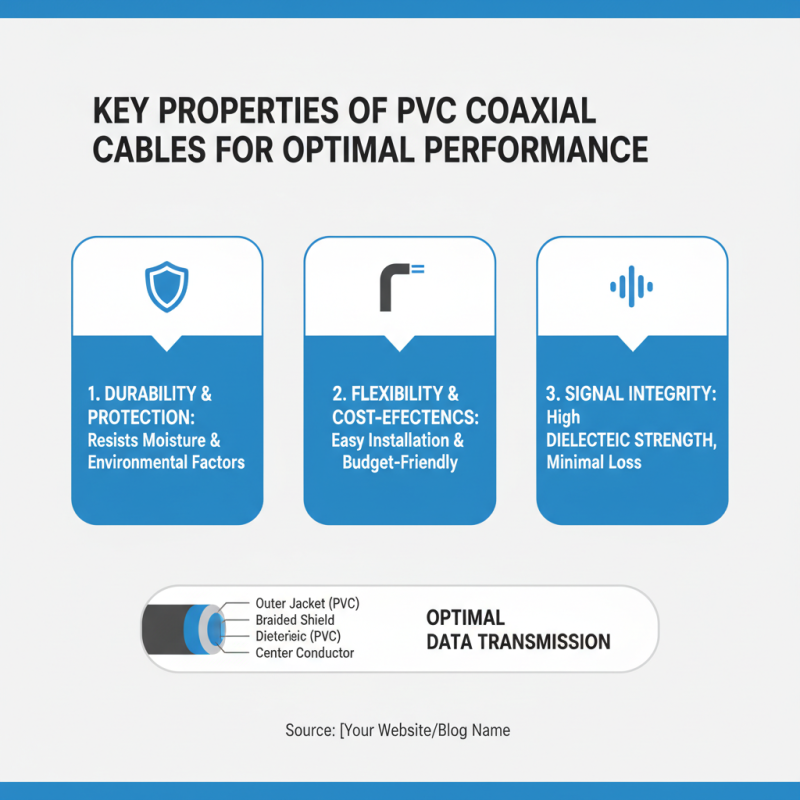
Key Properties of PVC Coaxial Cables for Optimal Performance
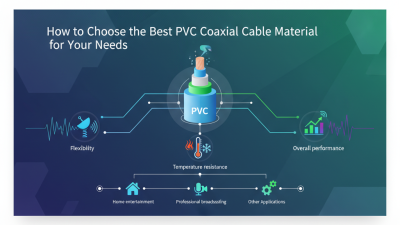
When selecting PVC coaxial cables, understanding their key properties is essential for optimal performance. PVC, or polyvinyl chloride, is widely used due to its durability, flexibility, and cost-effectiveness. It provides excellent insulation against moisture and other environmental factors. The dielectric strength of PVC ensures minimal signal loss during transmission, which is crucial for maintaining high-quality data.
One significant tip is to consider the cable's impedance. This standard measurement must match the devices used to prevent signal distortion. Additionally, the thickness of the PVC jacket affects durability. A thicker jacket may resist environmental stress better but could be less flexible. Striking the right balance is vital for specific applications.
Another important factor is temperature resistance. PVC can become brittle in extreme cold or deform in high heat. Testing the cable under different conditions can provide insights into its long-term reliability. Be aware that not all PVC coaxial cables are created equal, so exploring multiple options may lead to better-suited choices. Always stay informed about the latest developments in cable technology; what works well today may not hold up tomorrow.
Comparative Analysis of PVC vs. Other Coaxial Cable Materials
When considering coaxial cable materials, PVC stands out for its durability and cost-effectiveness. PVC, or polyvinyl chloride, is known for its resistance to moisture and various chemicals. This makes it a favorable choice for many applications. However, it’s important to reflect on its limitations. While PVC cables are affordable, they may not perform as well in extreme temperatures or harsh environments.
In contrast, other materials like polyethylene or Teflon demonstrate superior performance under rigorous conditions. These alternatives offer better flexibility and thermal stability. Yet, they often come with a higher price tag. For buyers, it’s crucial to weigh these factors carefully. PVC may be the practical option for many everyday applications, but high-performance needs might justify the investment in other materials.
Quality matters in cable selection. Not all PVC cables are created equally. Thickness, shielding, and overall construction play significant roles in performance. Buyers should pay attention to these details. This informed approach will help ensure that the chosen cable meets specific requirements without unnecessary compromises.
Global Market Trends for PVC Coaxial Cables in 2026
As we approach 2026, the global market for PVC coaxial cables is evolving rapidly. Increased demand for high-quality audio and video transmission drives innovation in materials and design. Around the world, manufacturers are focusing on enhancing durability and flexibility in their cables. This trend caters to various applications, including telecommunications and broadcasting.
Another aspect to consider is the growing environmental awareness among consumers. Many manufacturers are exploring eco-friendly alternatives to traditional PVC. While PVC remains popular for its affordability, the shift towards sustainable materials is noticeable. It's important to assess how these trends will impact pricing and availability.
Furthermore, regional differences in market dynamics are worth mentioning. Some areas may favor high-performance cables, while others prioritize cost efficiency. These varying demands create a complex landscape for global buyers. The decision-making process may need more data analysis and reflection than ever before. Buyers must remain vigilant to ensure they choose materials that meet their specific needs while accounting for future market shifts.
Sourcing Strategies for International Buyers of PVC Coaxial Cables
When sourcing PVC coaxial cables, international buyers face unique challenges. Understanding the material composition and performance standards is crucial. PVC, known for its flexibility and durability, is widely used in telecommunications. However, not all PVC cables are created equal. Buyers must consider the copper purity, insulation quality, and shielding effectiveness. These factors significantly impact signal quality and durability.
Developing strong supplier relationships is essential. Testing samples before committing to larger orders is advisable. Buyers often overlook the importance of certifications and compliance with international standards. This oversight can lead to costly issues down the line. Transparency in the supply chain plays a vital role. Engage suppliers in discussions about their production processes to ensure quality control.
Market trends can shift unexpectedly. Staying informed through industry reports and forums provides insights into the latest innovations. However, buyers should be cautious about relying solely on online information. Verification of source credibility is key. A comprehensive approach blending research with supplier dialogue often yields the best results in sourcing PVC coaxial cables.
2026 Best PVC Coaxial Cable Material for Global Buyers
| Material Type |
Dielectric Type |
Conductor Material |
Frequency Range |
Impedance |
Typical Use |
| PVC Coated |
Foamed Polyethylene |
Copper |
5 MHz - 3 GHz |
75 Ohm |
Television Signal |
| PVC Shielded |
Solid Polyethylene |
Aluminum |
1 MHz - 1 GHz |
50 Ohm |
Data Transmission |
| Flexible PVC |
Foamed Polystyrene |
Copper Clad Steel |
10 MHz - 1.8 GHz |
75 Ohm |
Networking |