What is the Best Sheath Cable Material for Your Needs?
Choosing the right sheath cable material is crucial for any electrical project. The material affects durability, flexibility, and overall performance. Various options exist, including PVC, XLPE, and rubber. Each has unique properties that suit different applications.
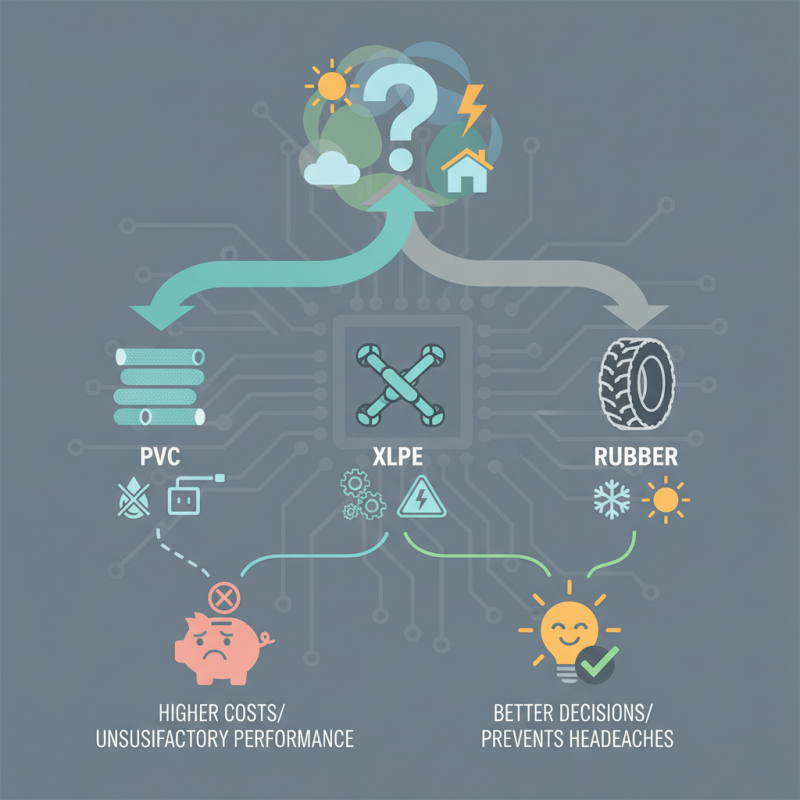
Consider the environment where the cable will be used. For instance, outdoor cables often require robust materials to withstand the elements. PVC may suffice in dry spaces, but more rugged materials are needed in harsh conditions. Reflecting on these factors can lead to better decisions.
However, picking the perfect sheath cable material can be challenging. Misjudging your needs might result in higher costs or unsatisfactory performance. Take the time to assess all variables, and don’t rush the choice. A thoughtful approach can prevent future headaches.
Understanding Sheath Cable Types: PVC, XLPE, and Rubber
When it comes to sheath cable materials, three main types dominate the market: PVC, XLPE, and rubber. PVC is widely used due to its cost-effectiveness. It is lightweight and flexible, making installation easier. However, it might not hold up well in extreme temperatures. High heat or cold can significantly affect its durability.
XLPE is another popular choice. This cross-linked polyethylene offers better thermal resistance. It can withstand higher temperatures and is more chemical-resistant than PVC. Many industries prefer XLPE for its longevity. But, if flexibility is paramount, XLPE can be a bit rigid in comparison.
Rubber sheath cables are known for their flexibility and toughness. They perform well in harsh conditions, making them suitable for outdoor use. However, rubber can be more expensive and may require more careful handling. Choosing the right material often involves weighing these trade-offs. Each option has unique benefits and drawbacks that need thoughtful consideration.
Sheath Cable Material Comparison
This chart compares the key properties of three common sheath cable materials: PVC, XLPE, and Rubber. The data reflects factors such as thermal resistance, flexibility, and cost, helping you determine the best material for your needs.
Key Properties of Cable Sheathing Materials: Insulation and Durability
When choosing sheath cable material, insulation and durability are essential. Different environments call for various properties. For instance, cables exposed to moisture need robust waterproof sheathing. PVC and nylon are common choices for basic insulation. However, they may not withstand extreme temperatures.
Consider the impact of UV light and chemicals on durability. Some materials degrade quickly outdoors. Rubber, while flexible, may not resist certain chemicals. Evaluating specific usage scenarios is crucial. Think about where and how the cables will be installed.
Lifestyle and environmental factors matter too. A trade-off between flexibility and strength might be necessary. Sometimes, the right balance is hard to find. It’s a reflection of the ongoing search for the perfect material. Testing different options may reveal surprising results, leading to better installations.
Application-Specific Requirements: Choosing the Right Material for Your Needs
When selecting a sheath cable material, it's crucial to consider application-specific requirements. Different environments can demand different properties. For instance, outdoor cables need durability and UV resistance. In contrast, indoor cables may require flexibility and aesthetics. Every detail matters.
Some materials perform better than others under specific conditions. Polyvinyl chloride (PVC) is common for general use. It's cost-effective and reasonably durable. However, it may not withstand high temperatures as well as thermoplastic elastomers (TPE). TPE offers excellent heat resistance but can be pricier. Sometimes, users may overlook these nuances when choosing.
It's also important to evaluate factors like chemical exposure and moisture. If cables will be exposed to oils or acidic substances, a resistant material is a must. Failing to address these issues can lead to early failure. Reflecting on your specific needs can save time and resources in the long run. Proper evaluation can lead to a better choice of materials.
Industry Standards and Certifications for Cable Sheath Materials
When choosing sheath cable materials, industry standards and certifications play a vital role. Various materials are used for cable sheathing, including PVC, XLPE, and rubber. Each material has different specifications, strengths, and weaknesses. Understanding these can help you make informed decisions that match your specific needs.
Tips: Always consider the environment where the cables will be used. For instance, some materials resist chemicals and moisture better than others. You may overlook this detail, leading to premature cable failures. The right certification can indicate safety and performance levels.
Some certifications, such as UL and IEC, are crucial for ensuring quality. They validate that the materials meet specific performance metrics. However, not all cables will have the necessary certifications. This lack may compromise their reliability in critical applications. Therefore, it is essential to ensure compliance with local industry standards before making a purchase.
Tips: Request certifications when purchasing cables. This step can save time and costs later. Ignoring these could result in hazards or operational disruptions. Remember that your choice of material can impact not just performance, but also safety.
What is the Best Sheath Cable Material for Your Needs? - Industry Standards and Certifications for Cable Sheath Materials
| Material |
Temperature Rating (°C) |
Flame Resistance |
Chemical Resistance |
Industry Standards |
| PVC |
-20 to 70 |
Low |
Moderate |
UL, CSA |
| XLPE |
-40 to 90 |
High |
Excellent |
ICEA, UL |
| PE |
-20 to 80 |
Medium |
Good |
UL, IEC |
| LSZH |
-20 to 80 |
High |
Moderate |
IEC 60332 |
| EPR |
-40 to 90 |
High |
Excellent |
NEC, UL |
Cost Analysis: Evaluating the Expense of Different Sheath Materials
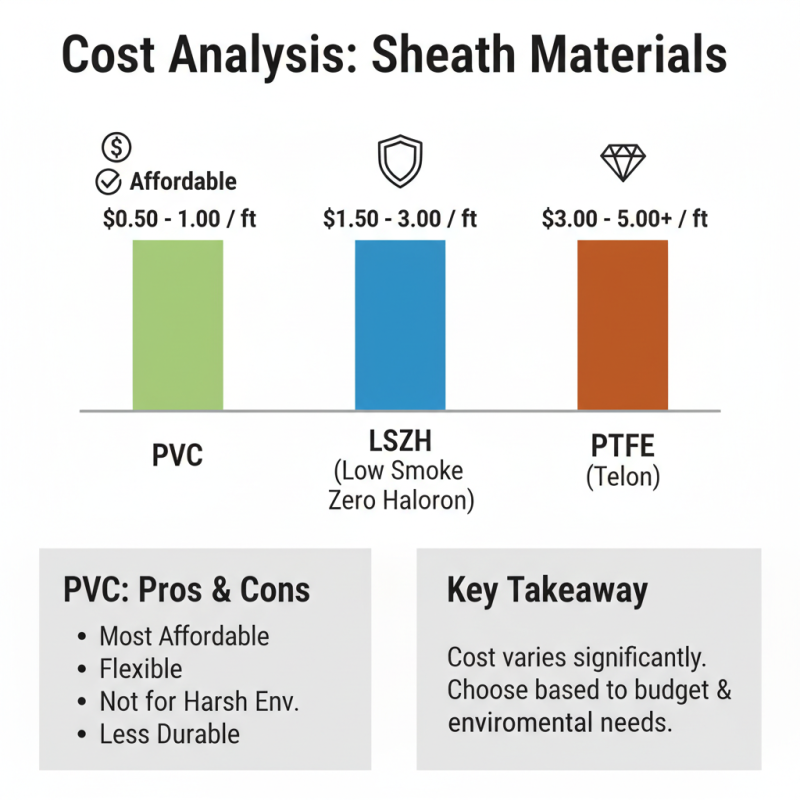
When choosing sheath cable materials, cost is a crucial factor. Different materials come with varying price points and performance characteristics. According to a recent industry report, PVC remains one of the most affordable options, typically costing around $0.50 to $1.00 per foot. However, it may not offer the durability required for harsh environments.
On the other hand, materials like thermoplastic elastomer (TPE) and polyurethane are gaining traction for specialized applications. Their costs range from $1.50 to $3.00 per foot. These materials provide better flexibility and resistance to chemicals. Yet, organizations often hesitate to invest in them due to higher initial expenses. A deeper analysis reveals the long-term savings possible when choosing durable materials. For example, switching to a long-lasting sheath could reduce maintenance costs significantly over time.
When evaluating options, it’s essential to consider the total cost of ownership. This includes installation, maintenance, and lifespan. Factors like flexibility and resistance to environmental stressors shouldn't be overlooked, even if they come with a higher price tag. Some may prioritize upfront costs, only to face issues down the line. It's clear that a careful assessment of sheath materials can lead to both short-term savings and long-term benefits.