What is Cable Material and How Does It Affect Performance?
In the world of electrical performance, the type of Cable Material used plays a crucial role. Industry expert Dr. Emily Carter notes, "The right cable material can enhance performance and reduce energy loss." Understanding how different materials impact performance can guide better choices in cable design and application.
Quality of cable materials varies widely. Copper and aluminum are common choices. Each has its own advantages and drawbacks. For example, copper offers superior conductivity, but it is more expensive. Aluminum is lightweight and cost-effective, yet it has higher resistivity. Careful consideration of these factors is essential.
However, many overlook the importance of these choices. Some may choose materials based solely on cost without assessing their long-term impact. This can lead to inefficiencies and unexpected failures. Ultimately, a deeper understanding of Cable Material can enable better decision-making and improved system reliability.
Definition of Cable Material and Its Types
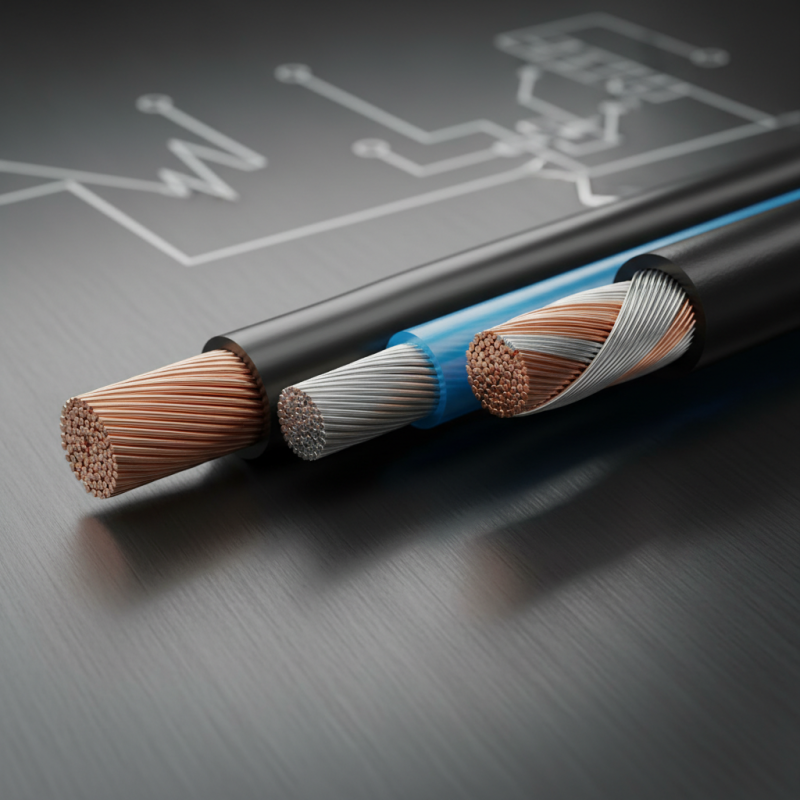
Cable material plays a vital role in electrical and telecommunication systems. There are various types of cable materials, each with distinct benefits and limitations. Common materials include copper, aluminum, and fiber optic. Copper offers excellent conductivity, but it is heavy and can be expensive. Aluminum is lighter and more affordable, yet it has lower conductivity. Fiber optic cables transmit data at high speeds using light, but they are fragile and can be challenging to install.
When considering the type of cable material, the application is crucial. For power transmission, copper cables are preferred despite their weight. They perform well in reducing energy loss. In data communication, fiber optic cables are favored for their high bandwidth. However, their installation requirements can complicate projects. In many cases, one material may outperform another in specific situations, but it can also lead to problems elsewhere.
It's important to understand that the choice of cable material can impact performance in various ways. A heavier cable may be harder to handle, while a lighter one might lack durability. Balancing weight and conductivity is often a challenge. Making the right decision requires careful consideration of specific needs and potential trade-offs. Each material has strengths and weaknesses that warrant reflection.
Impact of Cable Material on Performance
Impact of Cable Material on Electrical Performance
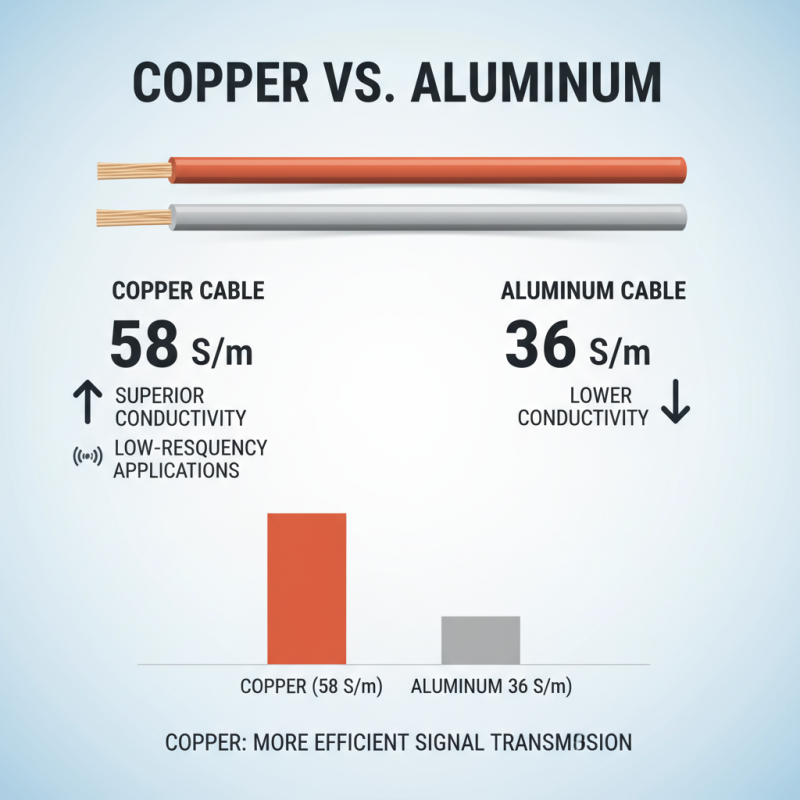
Cable material plays a crucial role in electrical performance. The choice between copper and aluminum significantly impacts conductivity. Copper, known for its low resistance, offers superior performance in high-frequency applications. Data from industry reports indicate that copper cables have a conductivity of 58 S/m, while aluminum sits at 36 S/m. This difference means that copper can transmit signals more efficiently.
However, the benefits of copper come with a trade-off. It is heavier and more expensive than aluminum. For instance, in large-scale installations, weight can affect deployment. Aluminum is lightweight, making it a preferred choice for aerial applications. Based on a study, using aluminum can reduce installation costs by up to 30%, but it may also introduce more voltage drop in long runs.
The insulation material also influences performance. High dielectric strength materials improve signal integrity. Yet, fewer manufacturers prioritize insulation quality in budget cables. This oversight can lead to heat build-up and signal loss. A report noted that over 15% of performance issues in installations stem from inadequate insulation. In summary, while material choice affects efficiency, the entire construction and design of the cable system matter too.
Heat Resistance and Insulation Properties in Cable Materials
When selecting cable materials, heat resistance and insulation properties are critical. Different materials perform uniquely under temperature fluctuations. For instance, PVC can withstand up to 75°C, while silicone insulation can handle temperatures up to 200°C. This heat resistance is essential in applications that generate significant heat, such as machinery and automotive wiring.
Good insulation minimizes energy loss and enhances safety. Materials like XLPE show low dielectric loss, making them ideal for high-voltage applications. Reports indicate that improper insulation can lead to energy losses of up to 30% in industrial settings. These losses impact both efficiency and cost. Therefore, choosing the right insulation material is not just a technical decision but a financial one.
Tips: Always evaluate the environment where the cables will be used. Consider exposure to oils, chemicals, and moisture. The right choice of material can prevent disasters. Regular inspections of cable conditions can identify potential areas of failure before they become problematic. Keep in mind that not all materials are perfect; some may degrade faster in harsh environments. Balance performance with longevity for the best results.
Mechanical Strength and Durability of Different Cable Materials
Cable materials significantly influence the mechanical strength and durability of cables. Common materials include copper, aluminum, and fiber optics. Each has distinct properties that affect performance over time.
For example, copper offers excellent conductivity and tensile strength. Reports indicate that copper cables can withstand pressures up to 70,000 psi.
On the other hand, aluminum is lighter but less durable. It exhibits tensile strengths around 60% lower than copper. Fiber optics show immense resistance to environmental damage, yet they can be fragile. The right choice depends on the specific application and environmental conditions. Always consider the trade-offs of each material.
Tips: When selecting cable materials, think about the surrounding environment. High humidity can degrade certain materials faster. Ensure cables are suited to their operational demands for longevity. Remember, not all materials perform equally in diverse situations. Sometimes, less common materials may offer advantages you hadn't considered.
Comparison of Common Cable Materials Used in Industry
When it comes to cable materials in the industry, several options stand out. Copper is a popular choice for its excellent conductivity. It transmits signals effectively and minimizes energy loss. However, copper is heavy and expensive. This can be a drawback for some applications.
Aluminum is another common material. It's lightweight and cost-effective. But aluminum conducts electricity less efficiently than copper. This can lead to higher resistance and potential performance issues. Some industries may prefer aluminum for its lower cost, but they must consider the trade-offs.
Fiber optic cables are gaining traction, especially for data transmission. They offer high speed and low loss. Yet, they can be fragile and more difficult to install. Choosing the right cable material depends on specific needs. Performance may be affected by environmental factors and installation techniques. It's essential to assess the requirements carefully.