How to Choose Lszh Irradiated Insulating Cable Material for Your Projects?
Choosing the right material for your electrical projects is crucial. Lszh Irradiated Insulating Cable Material stands out in the industry. Its lower smoke, zero halogen properties make it a safe choice for many applications.
Industry expert, Dr. Emily Carter once stated, "The right choice in cable insulation can significantly enhance safety and performance." This highlights the importance of selecting the best materials for electrical insulation. When dealing with cables, you must consider factors like temperature resistance, longevity, and the environment in which the cables will operate.
Many projects face unforeseen challenges when the material criteria are overlooked. Proper research and guidance can help prevent these issues. Always prioritize quality and reliability, especially when working with Lszh Irradiated Insulating Cable Material. This choice could affect overall project success. Balancing cost and performance is essential, but so is understanding the specific needs of your installation.
Factors to Consider When Selecting LSZH Irradiated Insulating Cable Materials
When selecting LSZH (Low Smoke Zero Halogen) irradiated insulating cable materials, several factors come into play. One should consider thermal stability and fire performance. Reports show that LSZH materials have superior flame retardant properties. They do not emit toxic gases when exposed to fire. This is crucial, especially in confined spaces like tunnels and buildings.
Another aspect is the flexibility and mechanical strength of the materials. LSZH irradiated cables often exhibit excellent resistance to abrasion and impact. A study published by the IEC estimated that over 30% of cable failures are due to mechanical strain. This highlights the need for robust materials in construction and industrial applications.
Tips: Always assess the environment where you will use the cable. For outdoor applications, UV resistance is essential. Additionally, review compliance with international standards, which can enhance project credibility. Finally, consult with industry experts to ensure you are making informed choices based on reliable data and experiences. Balancing these factors can lead to a safer and more efficient installation.
LSZH Irradiated Insulating Cable Materials: Comparison of Key Factors
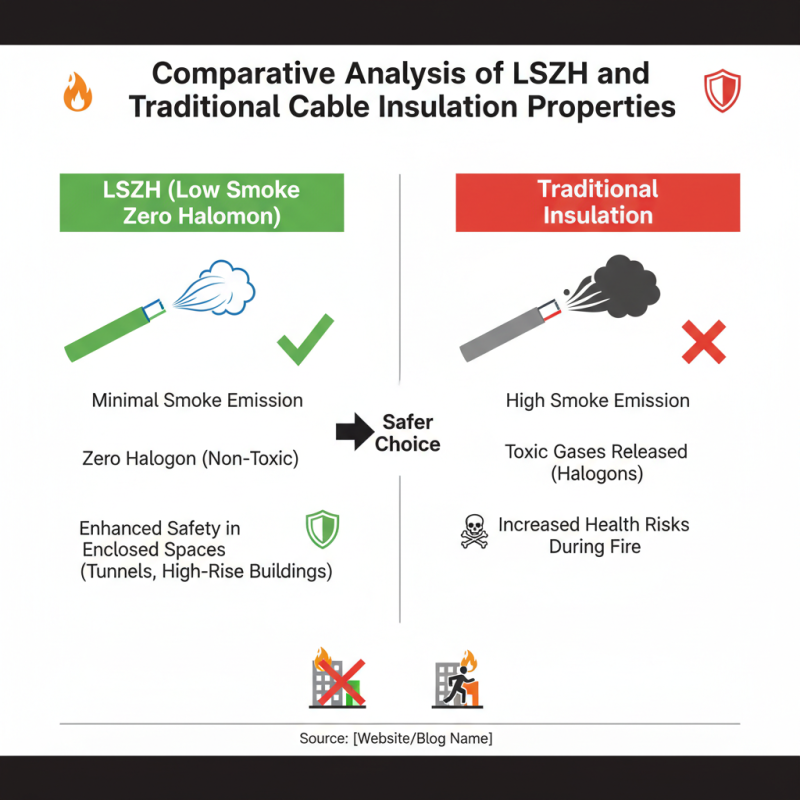
Comparative Analysis of LSZH and Traditional Cable Insulation Properties
When selecting insulating materials for projects, LSZH (Low Smoke Zero Halogen) cables offer significant advantages over traditional cable insulations. One of the key differences lies in the materials used. LSZH cables are designed to emit minimal smoke during combustion, which enhances safety. This is vital in enclosed spaces like tunnels and high-rise buildings. In contrast, traditional insulation released toxic gases, increasing health risks during fire incidents.
Thermal resistance is another crucial factor. LSZH materials have good thermal stability, which prevents overheating and reduces fire hazards. Traditional cables often struggle with these issues. Projects must consider environmental impact too. LSZH cables are more eco-friendly, contributing less to environmental pollution.
While LSZH cables provide safety benefits, they sometimes come with limitations. They may not perform as well in extreme temperatures compared to some traditional options. Quality control can also vary among suppliers. It’s essential to research and ensure you are selecting a reliable source. Understanding these differences can lead to better decision-making in your projects.
Impact of Environmental Conditions on LSZH Irradiated Cable Performance
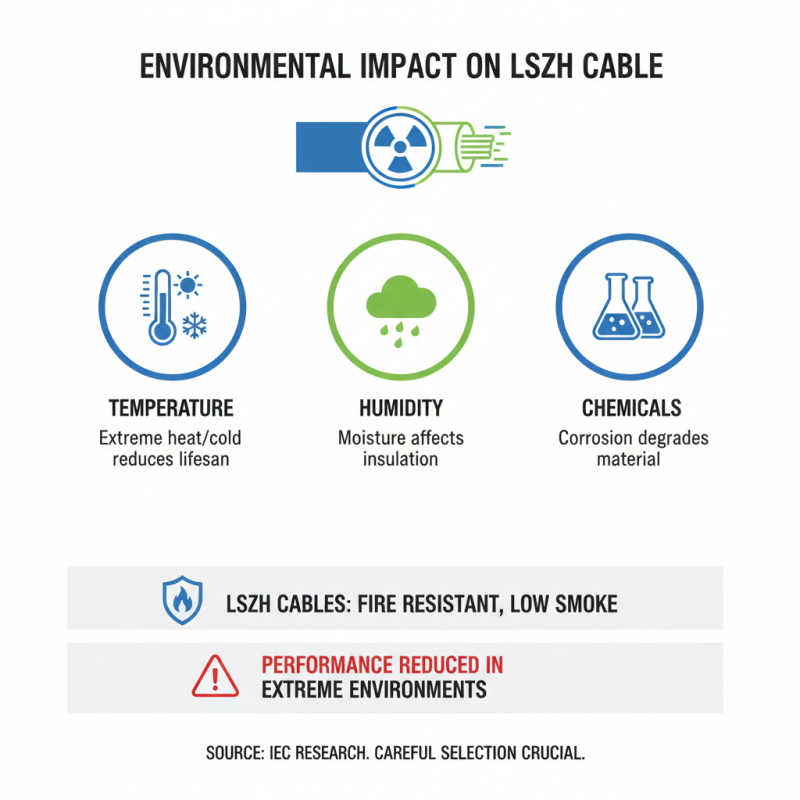
When selecting LSZH irradiated insulating cable materials, environmental conditions play a crucial role in performance. Special attention must be given to factors like temperature, humidity, and exposure to chemicals. Research from the International Electrotechnical Commission indicates that LSZH cables resist fire and emit low smoke. However, their performance can reduce in extreme environments, requiring careful selection.
For outdoor applications, UV exposure can degrade materials over time. LSZH cables may lose flexibility when exposed to sunlight for prolonged periods. When selecting these cables, consider the specific environmental factors, such as whether they remain indoors or outdoors.
**Tips:** Always check rated temperature ranges. Also, analyze chemical exposure risks. Ensure your chosen product matches project conditions. Understanding environmental factors helps select the right insulation. Regular inspections are crucial to ensure cables maintain integrity over time.
Regulatory Standards and Certifications for LSZH Insulating Cables
When selecting LSZH (Low Smoke Zero Halogen) irradiated insulating cable material, understanding regulatory standards and certifications is crucial. Different projects may require specific certifications. Familiarization with these standards ensures compliance and safety for your project.
One vital standard to consider is IEC 60754, which tests halogen acid gas emission. Compliance with this standard reduces the risk of harmful gases during a fire. Another important certification is the BS 6853, which assesses the fire performance of cable materials in terms of smoke emission. It strengthens the reliability of the material used in tunnels or other confined spaces.
Tips: Always review the certifications for your specific region. Each region may have unique requirements. Involve professionals early on. Their expertise can guide you in choosing the right materials. Use samples to test before making final decisions. This reflection can prevent future issues. Understanding these regulatory facets ensures that you select suitable materials that align with safety guidelines and project needs.
Cost-Benefit Analysis of Using LSZH Materials in Electrical Projects
When evaluating the cost-benefit of using Low Smoke Zero Halogen (LSZH) materials in electrical projects, several factors come into play. LSZH materials significantly reduce toxic and corrosive gas emissions during a fire. This feature can result in lower costs associated with health and safety measures. According to a report by the International Association of Fire Safety Science, LSZH cables can reduce smoke production by up to 60%. In spaces where evacuation is critical, such as tunnels and ships, this can make a significant difference.
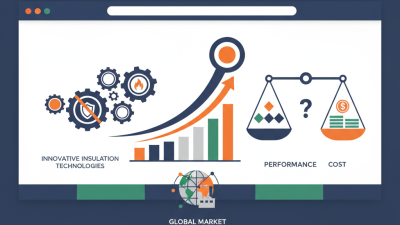
However, the initial cost of LSZH materials can be higher than traditional alternatives. A study by the Institute of Electrical and Electronics Engineers (IEEE) found that LSZH insulated cables can be 10-30% more expensive upfront. Project planners must weigh these upfront costs against potential savings in fire safety and long-term health implications. Not using LSZH can lead to costly health and safety violations, increasing financial risk.
Additionally, maintenance costs can also be affected. LSZH materials often require less maintenance over time due to their durability and resistance to environmental factors. Yet, some professionals remain skeptical about the long-term performance of new LSZH innovations. Continuous assessments and real-world applications will be necessary to fully understand the long-term benefits. Choosing the right materials for your projects involves a blend of practical considerations and expert insight.