Why Choose PVC Insulated Cable Materials at the 139th Canton Fair?
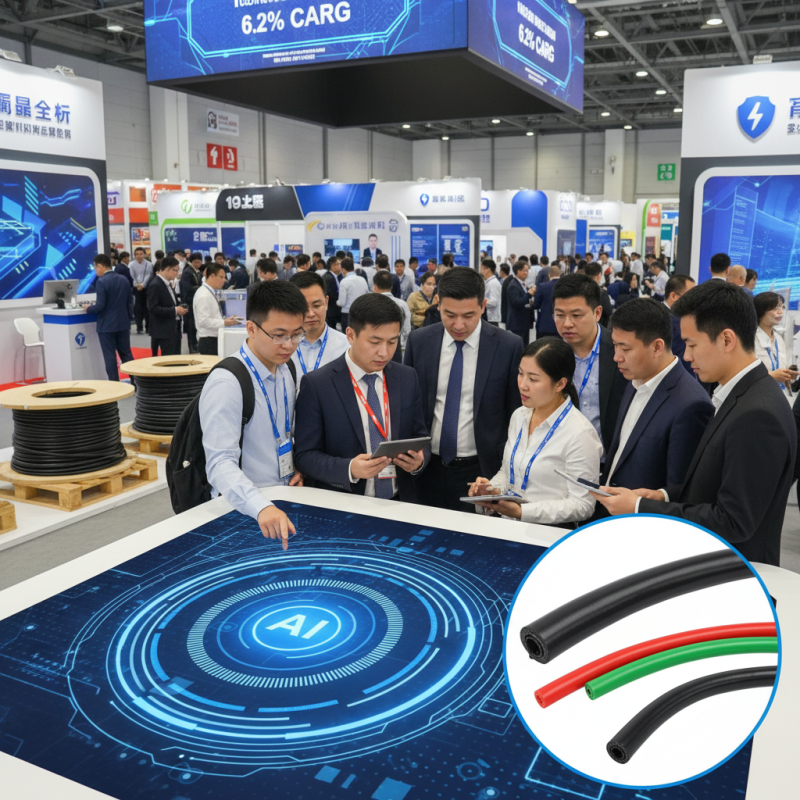
The 139th Canton Fair presents a vital opportunity for sourcing suppliers of PVC insulated cable materials. As global demand for efficient and durable electrical solutions rises, the use of PVC insulated cables becomes essential. The market for such materials is projected to grow at a CAGR of 6.2% from 2021 to 2026, driven by advancements in manufacturing and innovations in electrical safety standards.
At the fair, exhibitors will showcase the latest developments in PVC insulated cable technology. Enhanced properties such as flexibility, resilience, and heat resistance make these materials suitable for various applications, from construction to electronics. Notably, PVC insulated cables reduce fire hazards, contributing to safety regulations in many countries. This is crucial, as electrical faults account for 12% of house fires annually, a statistic that underscores the need for reliable materials.
However, not all suppliers meet regulatory standards like ISO and CE certifications. It can be challenging to find manufacturers who prioritize quality. The introduction of AI smart search functions at the Canton Fair addresses this issue by allowing buyers to filter suppliers based on specific qualifications. This innovation aims to enhance the efficiency of sourcing high-quality PVC insulated cable materials.
The Benefits of PVC Insulated Cables in Electrical Applications
PVC insulated cables are gaining popularity in various electrical applications. They offer multiple advantages that make them a preferred choice for many users. The flexibility of PVC makes it easy to install in different environments. This adaptability is essential for projects with space constraints.
Moreover, PVC insulation provides excellent resistance to moisture and corrosion. In humid conditions, these cables maintain their performance. This reliability can lead to fewer maintenance issues over time. Users also appreciate the durability of PVC, which can handle both high and low temperatures. Yet, it's essential to consider potential limitations, such as rigidity in extreme cold.
The insulation also helps prevent electrical leakage. This is crucial in protecting devices and ensuring safety. However, improper usage or installation can still lead to hazards. Thus, while PVC insulated cables are advantageous, careful consideration is necessary. Proper installation techniques can enhance their effectiveness greatly.
Comparative Analysis: PVC vs. Other Cable Insulation Materials
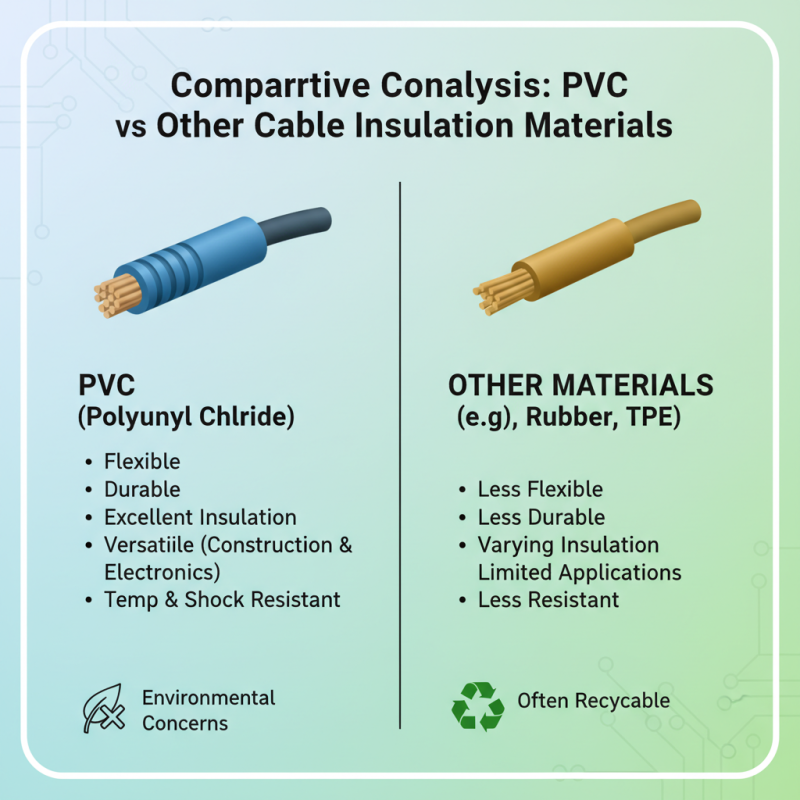
When discussing cable insulation materials, PVC stands out for several reasons. It is flexible, durable, and has excellent insulation properties. This versatility makes it suitable for various applications in construction and electronics. PVC can withstand temperature fluctuations and resist shock better than other materials like rubber or thermoplastic elastomers. However, one must consider environmental concerns.
Comparing PVC with alternatives like XLPE (cross-linked polyethylene), PVC tends to be less expensive. XLPE offers superior heat resistance but can be significantly costlier. Yet, PVC may not perform as well in extreme temperatures. Furthermore, while PVC is widely used, it can produce harmful byproducts when burned. This raises questions worth pondering.
Overall, while PVC insulated cables offer practical benefits, there are trade-offs. Each material has its pros and cons, such as cost, environmental impact, and performance. Assessing these factors can help in choosing the right insulation material for specific needs. Balancing performance and sustainability remains a critical consideration in this field.
Key Features of PVC Insulated Cables for Reliability and Durability
PVC insulated cables are known for their reliability and durability. They can withstand various environmental conditions. This makes them a great choice for industries like construction and manufacturing. The flexibility of PVC allows easy installation in tight spaces. However, this flexibility can lead to concerns about wear and tear over time.
One standout feature of PVC is its resistance to moisture and chemicals. This quality prevents degradation from exposure to water or harsh substances. Yet, not all PVC cables are created equal. Some may not offer the same level of protection. It’s important to evaluate specifications carefully to ensure you choose high-quality materials.
Durability is critical for long-term use. PVC insulated cables can handle high temperatures without losing performance. However, improper installation can compromise their effectiveness. Regular maintenance and inspection are essential. Adopting a proactive approach can extend the life of these cables significantly. Choosing the right cable ensures peace of mind in electrical applications.
Environmental Considerations in Using PVC Insulated Cable Materials
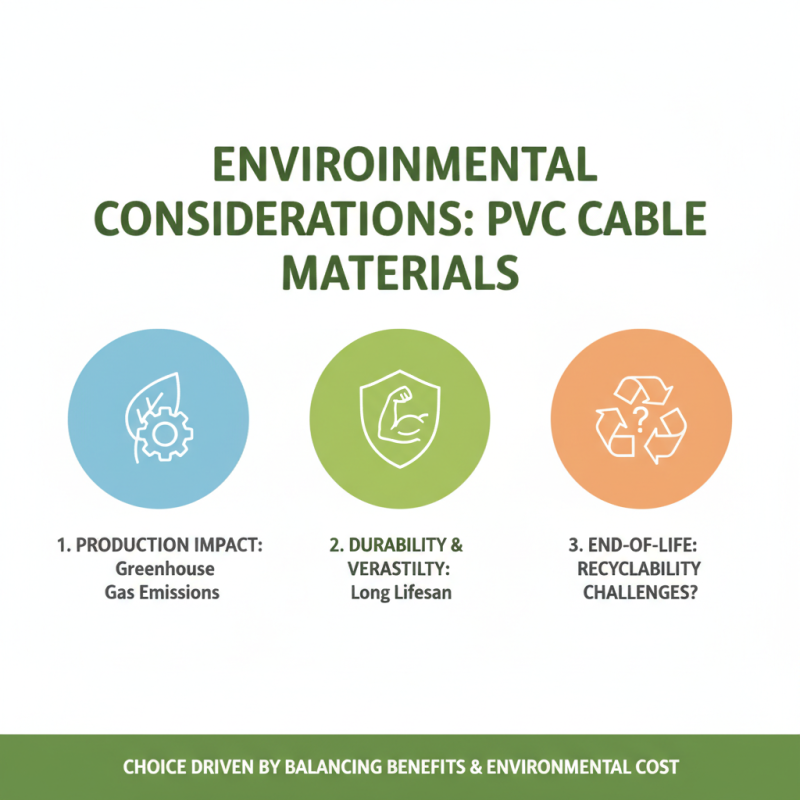
Choosing PVC insulated cable materials is driven by various environmental considerations. PVC, or polyvinyl chloride, is a widely used plastic. Its popularity stems from its durability and versatility. However, it also poses challenges. The production process can generate greenhouse gases. This impact warrants careful consideration.
Recycling is a critical aspect of PVC usage. While PVC can be recycled, many facilities lack proper systems. This leads to increased waste. It can take hundreds of years for PVC to decompose in landfills. The challenge is twofold: ensuring proper disposal and encouraging recycling programs. Some manufacturers are striving for better practices. Yet, progress is often slow.
Additionally, the chemical additives in PVC may pose health risks. Certain additives can leach out over time. This can affect soil and water quality. It's essential to address these concerns. Educating consumers and industry stakeholders is vital. Sustainable production methods are needed. Finding a balance between utility and environmental protection is crucial. There’s much to reflect on in this area.
Insights from the 139th Canton Fair on PVC Cable Innovations
The 139th Canton Fair showcased innovative trends in PVC insulated cables. Manufacturers highlighted advancements in materials and application techniques. PVC, known for its durability and flexibility, continues to dominate the market. According to the latest industry reports, PVC cables account for over 40% of the insulated cable market. This percentage reflects its widespread use in construction and electrical industries.
At the fair, insights on eco-friendliness emerged. Some exhibitors presented new formulations of PVC that reduce environmental impact. However, the industry still faces challenges. Recycling PVC materials is complex. A significant percentage gets discarded improperly. Experts emphasize the need for improved waste management practices.
Additionally, the safety aspects of PVC cables were a key topic. Research indicates that improper insulation can lead to electrical hazards. It's crucial to ensure quality during production. The fair reminded us that while innovations are impressive, ongoing vigilance is required. There is a fine balance between performance, safety, and environmental responsibility.
Why Choose PVC Insulated Cable Materials at the 139th Canton Fair?
| Feature |
Description |
Benefits |
Applications |
| Durability |
PVC insulation provides high resistance to wear and tear. |
Longer lifespan and lower replacement costs. |
Electrical wiring, automotive cables. |
| Flexibility |
Easily bent to fit various configurations. |
Ease of installation in complex spaces. |
Home appliances, industrial machinery. |
| Flame Retardance |
PVC insulation is inherently flame resistant. |
Enhanced safety, reducing fire hazards. |
Construction, transportation. |
| Cost-Effectiveness |
Affordable manufacturing and materials cost. |
Budget-friendly solutions for clients. |
Residential and commercial wiring. |
| Environmental Resistance |
Resistant to moisture, UV light, and chemicals. |
Suitable for outdoor and harsh environments. |
Outdoor cabling, agricultural applications. |