Choosing the right materials for electrical projects is crucial for safety and efficiency. PVC sheath cable material has long been recognized for its benefits in the electrical industry. According to a recent report by the International Electrotechnical Commission, approximately 70% of electrical installations utilize PVC sheathing. This statistic highlights its prevalence and reliability.
One key advantage of PVC sheath cable material is its resistance to moisture and chemicals. This property ensures durability in various environments. A study conducted by the Cable Manufacturers Association shows that PVC cables outperform other materials in longevity and performance. As projects demand more sustainable solutions, advancements in PVC technology continue to emerge, making it a strong candidate for future applications.
However, while PVC sheath cables are widely favored, it's essential to consider environmental impacts. The debate over PVC's sustainability raises questions for conscientious builders. As projects evolve, understanding both benefits and drawbacks becomes vital. Ultimately, choosing PVC sheath cable material may align with immediate project needs, but reflection on long-term effects can guide future decisions.
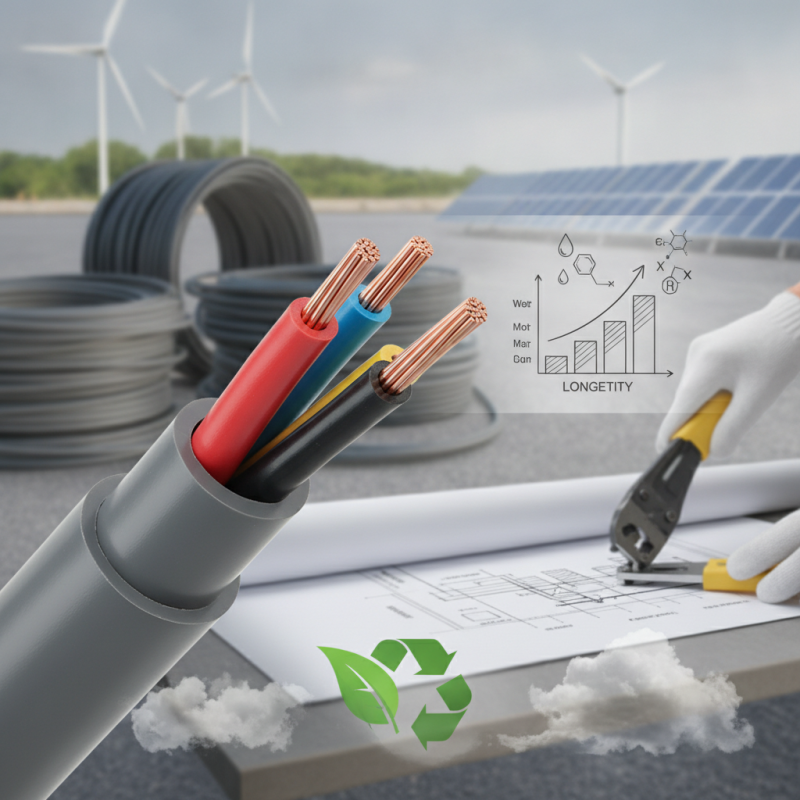
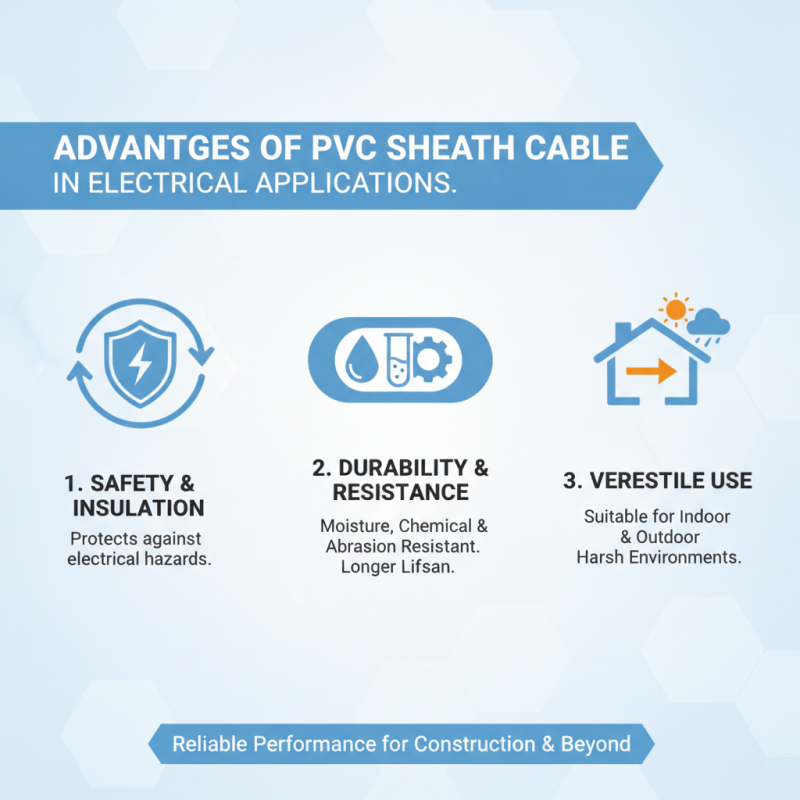
PVC sheath cables offer significant benefits in electrical applications. Their excellent insulating properties ensure safety in various environments. The material is also resistant to moisture, chemicals, and abrasion, extending the lifespan of cables. This makes them suitable for both indoor and outdoor use. In construction projects, PVC cables can withstand harsh conditions without compromising on performance.
When choosing materials, consider the specific requirements of your project. PVC's flexibility allows for easier installation in tight spaces. Additionally, its durability minimizes the frequency of replacements. However, it’s essential to evaluate your project's unique needs. While PVC cables are versatile, they may not be the best choice for every situation.
Tips: Always check for compatibility with other materials. Performing a risk assessment can highlight potential issues. Ensure that the environment is suitable for PVC’s application to avoid future complications.
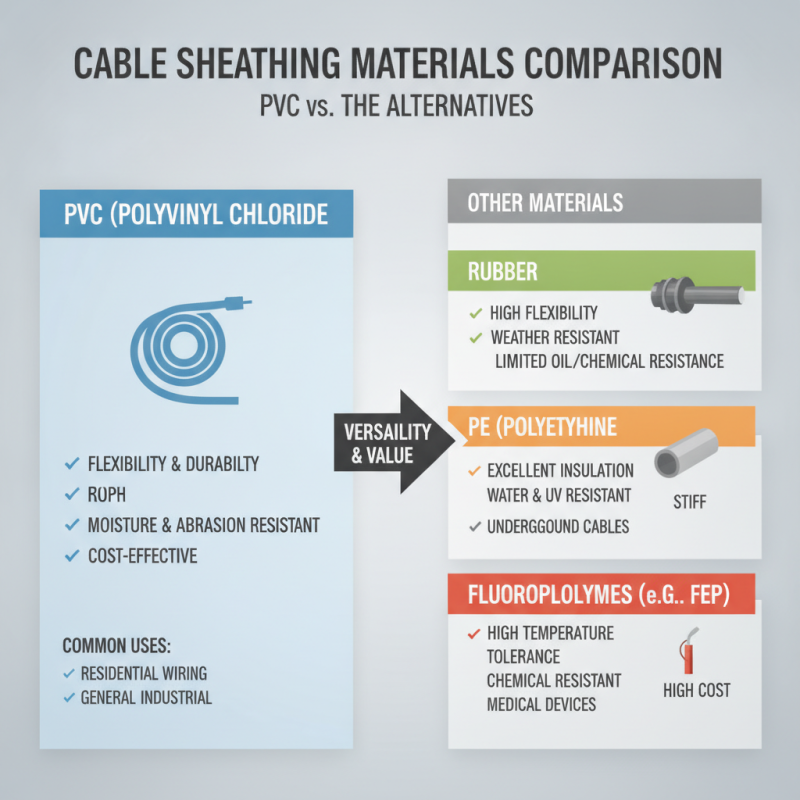
When comparing PVC sheathing to other cable materials, several key factors come into play. PVC, or polyvinyl chloride, is known for its flexibility and durability. This makes it an excellent choice for various applications. For instance, in residential wiring, PVC provides good insulation and is resistant to moisture and abrasion. These properties help protect the cables in harsh environments.
In contrast, materials like thermoplastic elastomer (TPE) or polyethylene (PE) have their own advantages. TPE is more flexible than PVC and can perform better in extreme temperatures. However, it may not be as strong against chemical exposure. PE is lightweight and offers great resistance to chemicals, but it lacks the flame-retardant properties found in PVC. Each material has its strengths and weaknesses, making it essential to evaluate project-specific requirements.
Choosing the right sheathing material is critical. While PVC is reliable and cost-effective, understanding alternatives also matters. The flexibility of TPE can be a plus, especially in tight installations. Evaluating these factors can lead to better-informed decisions, even if that means recognizing that sometimes PVC might not be the best option.
PVC sheath cables are known for their durability and longevity. These cables are designed to withstand harsh conditions, making them ideal for various applications. The PVC material is resistant to moisture, chemicals, and abrasion. This resistance helps maintain the cable's integrity over time. In outdoor or industrial settings, this feature is crucial. You want a cable that stands the test of time.
One remarkable aspect of PVC sheath cables is their flexibility. They are easier to install in tight spaces. However, this flexibility can sometimes lead to accidental kinks. While PVC cables can last many years, improper handling may affect their longevity. It's essential to ensure proper installation techniques to maximize their lifespan.
Another advantage is the cost-effectiveness of PVC sheath cables. They tend to be more affordable than other materials. This affordability is appealing for budget-conscious projects. However, while PVC is durable, it's vital to assess if it meets specific project needs. Not every project will benefit from PVC. Reflecting on the right application is key to achieving long-term success.
When considering materials for your projects, PVC sheath cables stand out for various reasons. However, environmental concerns related to PVC usage are significant. PVC production can release harmful substances. That fact weighs heavily when making choices that affect our planet.
It's crucial to assess the lifecycle of PVC. While it is durable, its disposal can pose issues. This is not just about the production phase. Many projects overlook waste management in the planning stages. Flexibility in applications contributes to its widespread use but can lead to misunderstandings about sustainability.
Tips: Always research environmentally friendly alternatives. Evaluate the long-term effects of material choices on the environment. Consider recycling options to mitigate waste.
Using PVC requires careful thought. Identify when it is truly necessary or when alternatives might suffice. Always weigh the benefits against the potential environmental impact. Engage with community feedback regarding sustainable practices. The path forward includes not just innovation but reflection on our choices today.
PVC sheath cables are widely used across various industries. Their durability and resistance to environmental factors make them suitable for both indoor and outdoor applications. In construction, these cables provide reliable connections for electrical systems. They often power lighting and heavy machinery. The versatility of PVC makes it a favorite for residential and commercial wiring.
The automotive industry also benefits from PVC sheath cables. These cables can handle exposure to oils and chemicals. They play a crucial role in vehicle electronic systems. However, not all PVC cables are the same. Some may not withstand extreme temperatures. It’s essential to choose the right type based on project needs.
In telecommunications, PVC sheath cables offer excellent insulation properties. They protect sensitive data transmission lines. Many businesses rely on them for stable network connections. Yet, it is vital to consider installation conditions. Improper installation can lead to performance issues. Understanding the unique demands of each application is key.
| Industry | Application | Advantages of PVC Sheath |
|---|---|---|
| Construction | Electrical Wiring | Durable, moisture-resistant, and cost-effective |
| Automotive | Internal Wiring | Flexible, resistant to chemicals, and lightweight |
| Manufacturing | Machinery Connections | Strong insulation and heat resistance |
| Telecommunications | Data Cabling | Excellent electrical properties and low signal loss |
| Energy | Power Distribution | High insulation properties and weather resistance |