How to Choose the Right Optical Cable Filling Gel for Your Needs?
Choosing the right Optical Cable Filling Gel is crucial for maintaining the integrity of fiber optic installations. According to a report by the International Telecommunication Union (ITU), 82% of network downtime is linked to the poor choice of materials in fiber optic systems. With an ever-increasing demand for reliable connectivity, the right gel can significantly enhance performance and longevity.
Optical Cable Filling Gel plays a vital role in protecting fibers from moisture, dust, and mechanical stress. The market for fiber optic cables is projected to grow by 12% annually, underscoring the need for quality materials. However, selecting the appropriate gel can be challenging. Some products offer excellent thermal stability, while others may lack the necessary moisture barrier properties.
It's essential to assess the specific environmental conditions and operational needs. Reflecting on product specifications and real-world performance can provide clarity. Relying solely on manufacturer claims may lead to misjudgments. Having firsthand experience or consulting industry experts ensures a more informed decision in this critical area.
Understanding the Role of Optical Cable Filling Gel in Fiber Optics
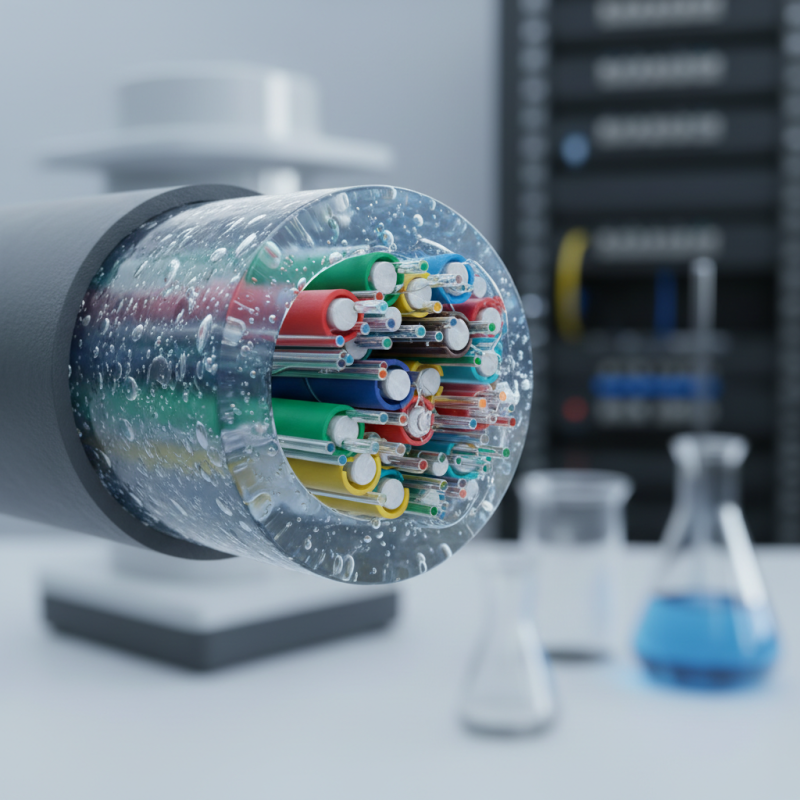
Optical cable filling gel plays a crucial role in fiber optic applications. This gel serves multiple purposes, primarily to protect the delicate fibers inside the cable. It helps prevent moisture ingress and provides cushioning during installation. This is vital in maintaining the longevity and performance of the cables. A good filling gel fills the spaces, reducing the risk of fiber breakage.
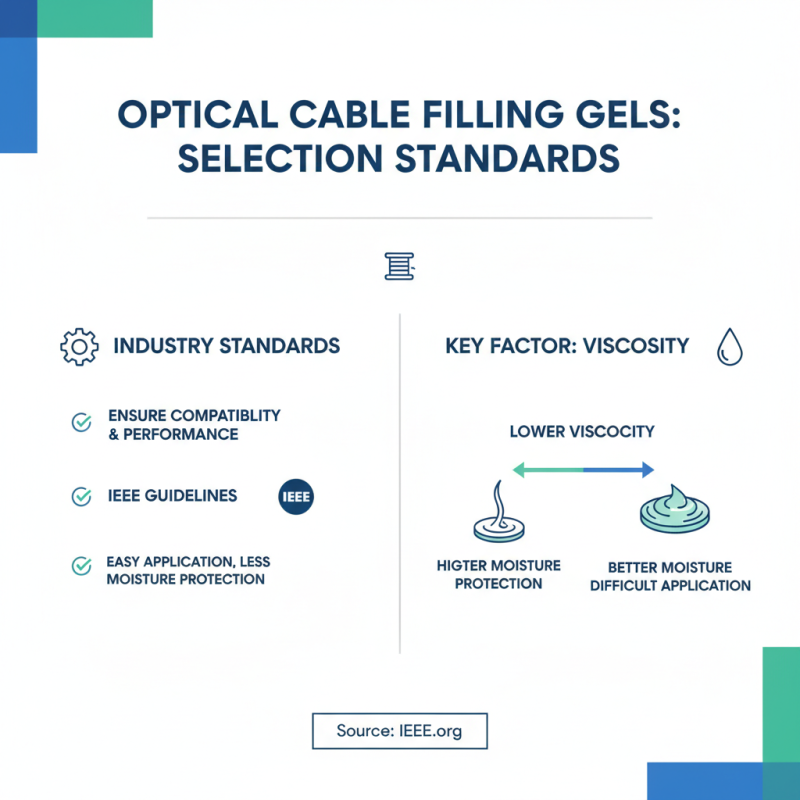
The composition of optical cable filling gel varies. Some gels are designed to be hydrophobic, actively repelling water. Others are designed to remain neutral, ensuring compatibility with the surrounding materials. Manufacturers often focus on factors like temperature range, viscosity, and chemical compatibility. However, the choice of gel can be complex. An inappropriate selection might lead to issues like chemical reactions or inadequate protection.
Choosing the right filling gel requires careful thought. An understanding of your specific needs and environmental conditions is essential. Reflect on past experiences with different gels and their performance. Are you dealing with extreme temperatures or potentially corrosive environments? If so, these factors will significantly influence your decision. This thoughtful approach can improve the reliability of your optical network.
How to Choose the Right Optical Cable Filling Gel for Your Needs?
| Filling Gel Type |
Primary Use |
Temperature Range (°C) |
Viscosity |
Environmental Impact |
Cost |
| Silicone-based |
General outdoor cables |
-40 to 85 |
Medium |
Low |
Moderate |
| Non-toxic gel |
Indoor installations |
0 to 60 |
Low |
Minimal |
Higher |
| Water-blocking gel |
Submarine and damp environments |
-20 to 70 |
High |
Moderate |
High |
| Polyurethane-based |
Rugged outdoor applications |
-30 to 80 |
Medium to high |
Low |
Moderate |
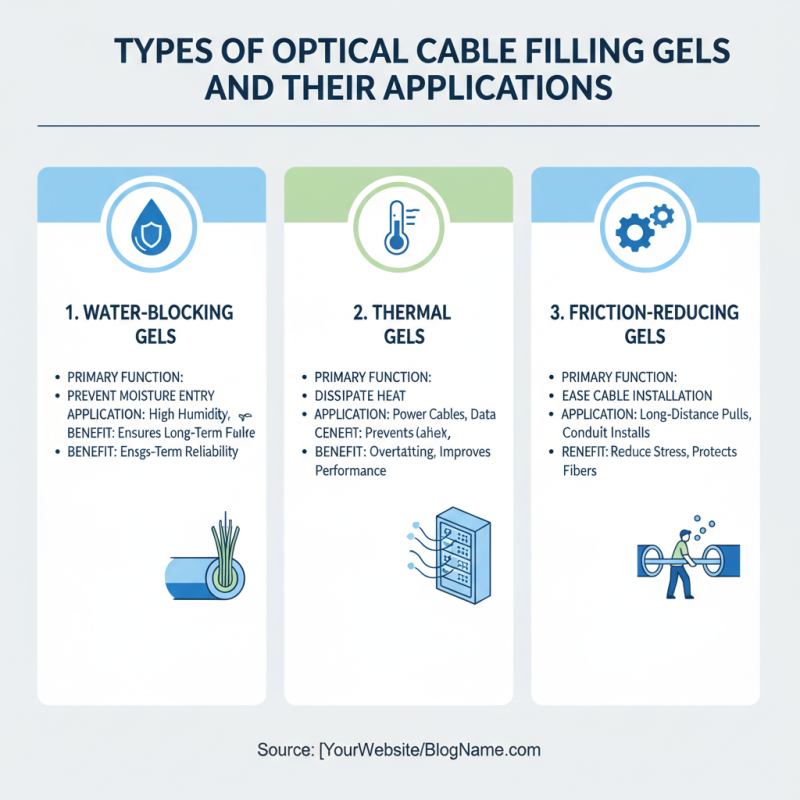
Types of Optical Cable Filling Gels and Their Applications
When selecting an optical cable filling gel, understanding the types available is crucial. There are primarily three categories: water-blocking gels, thermal gels, and friction-reducing gels. Water-blocking gels prevent moisture from entering the cable, ensuring long-term reliability. Their application is essential in environments with high humidity or potential water exposure. These gels form barriers that protect critical optical fibers.
Thermal gels, on the other hand, provide thermal insulation. They are vital in areas with temperature fluctuations. These gels help maintain signal integrity by protecting fibers from thermal expansion and contraction. Friction-reducing gels are significant in facilitating easier cable installation. They enable smoother cable pulls through conduits, reducing the risk of damage during installation.
The choice of gel should align with specific environmental factors and installation methods. Some users may overlook these details. A mismatch between gel type and application can lead to performance issues. Therefore, careful consideration is essential for effective optimization.
Key Properties of Filling Gels: Viscosity, Temperature Stability, and More
When selecting the right optical cable filling gel, several key properties must be considered. Viscosity plays a critical role. A gel with moderate viscosity ensures smooth application and provides adequate protection for the fibers inside. If the gel is too thick, it can create difficulties during installation. Conversely, a gel that is too thin may fail to adequately shield the fibers from environmental factors.
Temperature stability is another significant aspect. Gels need to maintain their effectiveness across various climates. Extreme temperatures can alter their properties, leading to potential failures. A gel that remains stable in both heat and cold can protect the optical fibers better over time.
Overall, examining these factors can lead to better choices. However, it's essential to test different gels to find the best fit for specific applications. Not all situations are the same. Gathering data and feedback can help refine the decision-making process.
Impact of Filling Gel on Fiber Optic Cable Performance and Longevity
The filling gel in fiber optic cables plays a crucial role in determining both performance and longevity. It serves as a protective barrier against environmental factors such as moisture and temperature fluctuations. The right gel can enhance cable durability, ensuring steady signal transmission. Selecting an inappropriate gel may lead to declines in effectiveness, leading to issues over time.
Different types of filling gels exhibit varied viscosities and properties. Some gels resist water better than others, while some can withstand higher temperatures. It's vital to match the gel properties with the intended installation environment. A mismatch can result in cable failure, necessitating costly repairs or replacements.
Understanding the impact of filling gel requires knowledge and experience. Continuous advancements in gel technology aim to improve heat resistance and moisture protection. However, users must weigh the pros and cons of available options. The choices can be overwhelming. Using a subpar gel can compromise performance, making thorough research essential before making a decision.
Impact of Filling Gel on Fiber Optic Cable Performance and Longevity