How to Choose Galvanized Steel Wire Strand for Your Projects?
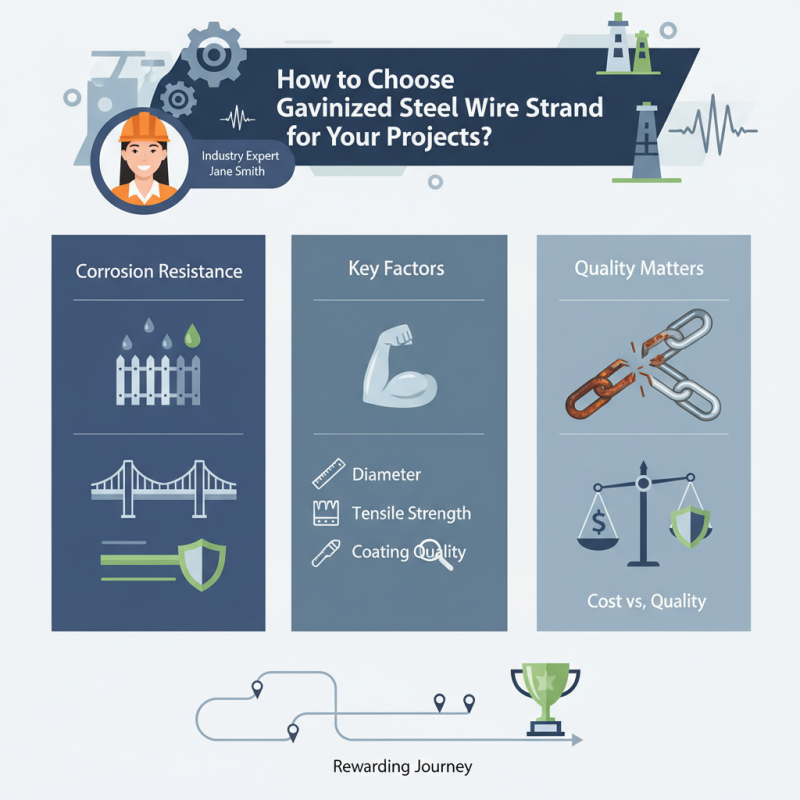
Choosing the right "Galvanized Steel Wire Strand" for your project can significantly impact its success. Industry expert Jane Smith once said, "The quality of your materials determines the durability of your structure." Her emphasis on quality resonates deeply in construction and engineering fields.
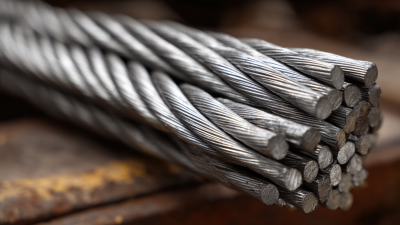
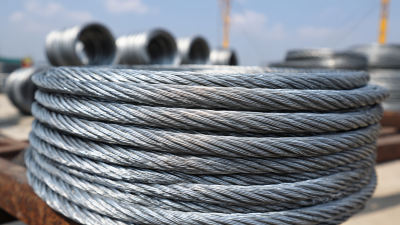
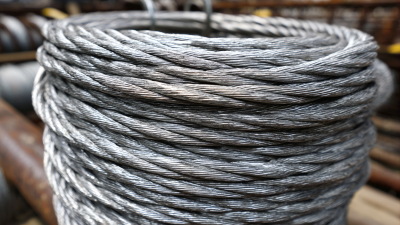
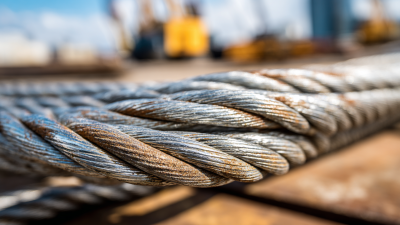
Galvanized steel wire strand is known for its resistance to corrosion. It is commonly used in applications like fencing, bridges, and suspension systems. When selecting the right product, consider factors such as diameter, tensile strength, and coating quality. Each factor plays a crucial role in the longevity and reliability of the wire strand.
However, not all galvanized steel wire strands are created equal. Some products may appear sturdy but lack proper coating. Others may be excessively flexible, limiting their applications. It’s essential to balance cost and quality, reflecting a deeper understanding of your specific needs. This journey towards selecting the best galvanized steel wire strand can be challenging but rewarding.
Understanding Galvanized Steel Wire Strand and Its Applications
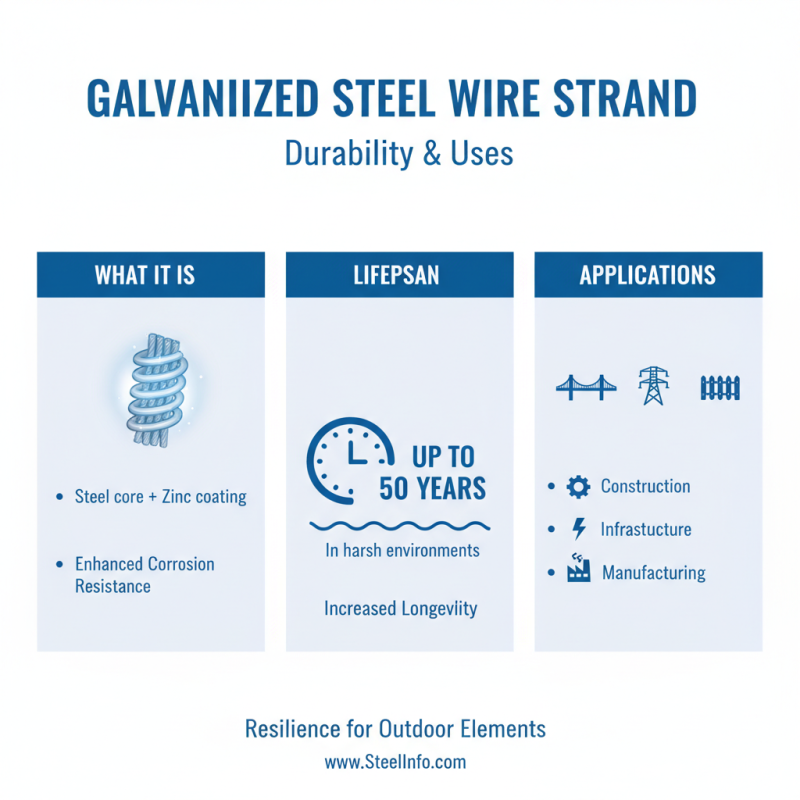
Galvanized steel wire strand is a versatile material widely used in construction and manufacturing. Its coating process involves applying a layer of zinc to enhance corrosion resistance, which increases its lifespan. According to industry reports, galvanized wire can last up to 50 years in harsh environments. This durability is critical for projects exposed to outdoor elements.
Applications range from suspension cables to fencing barriers. The tensile strength of galvanized wire strands is crucial. It typically exceeds 1,200 MPa, making it suitable for heavy loads. For instance, when used in electrical transmission, the reliability of the wire directly impacts system efficiency. Engineers often consider its weight and flexibility in design.
Despite these advantages, challenges exist. The fabrication process can introduce inconsistencies in diameter and weight. Such discrepancies may affect performance in specific applications. Therefore, careful selection based on project requirements is vital. Understanding the specifications and applications can lead to better outcomes and improved safety.
Factors to Consider When Selecting Galvanized Steel Wire Strand
Choosing the right galvanized steel wire strand requires careful consideration. Different projects demand different specifications. Assess the strength and durability required for your application. Wire strands come in various thicknesses and grades. Each has its own load capacity and corrosion resistance. Pay attention to the environment where the wire will be used.
It’s also crucial to consider the diameter of the wire strand. A thicker strand may offer more strength, but it can be less flexible. Sometimes, a lighter option is sufficient. Evaluating the intended use will help in making the right choice. Check the manufacturer's detailed specifications. An expert opinion could guide you in selecting the appropriate type for your project.
Look at the safety factors as well. Overestimating the load can lead to failures. Underestimating could also pose risks. It’s essential to achieve a balance that factors in potential wear and environmental conditions. Always plan for the unexpected, allowing for wear over time. This brings an element of reliability to your project. Each detail matters when selecting the right strand.
Comparison of Galvanized Steel Wire Strand Specifications
Comparing Different Grades and Coatings of Galvanized Steel Wire Strand
When selecting galvanized steel wire strand, understanding the different grades and coatings is crucial. Galvanized steel typically comes in two main grades: ASTM A228 and ASTM A475. The ASTM A228 grade is commonly used for wire ropes, while ASTM A475 is suited for guy strands. This distinction is essential for ensuring that the wire can support the intended load and resist corrosion effectively.
The coating type also plays a significant role in performance. Hot-dip galvanization offers superior protection against environmental elements. In a comprehensive study by the American Galvanizers Association, hot-dip galvanized steel demonstrated a life expectancy of over 50 years in many applications. On the other hand, electro-galvanized coatings provide a lighter protection but may only last a fraction of that time. Many engineers overlook this aspect. They may assume that all galvanization offers the same level of durability, leading to project failures due to corrosion.
The choice of wire strand must also consider specific project requirements. Factors like tensile strength, exposure conditions, and expected lifespan dictate which grade and coating are optimal. For instance, marine environments demand a more robust galvanization due to higher exposure to moisture and salt. Inadequate selection could lead to significant structural issues down the line. Thus, careful evaluation of these elements ensures better results and longer-lasting outcomes in any construction project.
Assessing Load Capacity and Durability for Your Project Needs
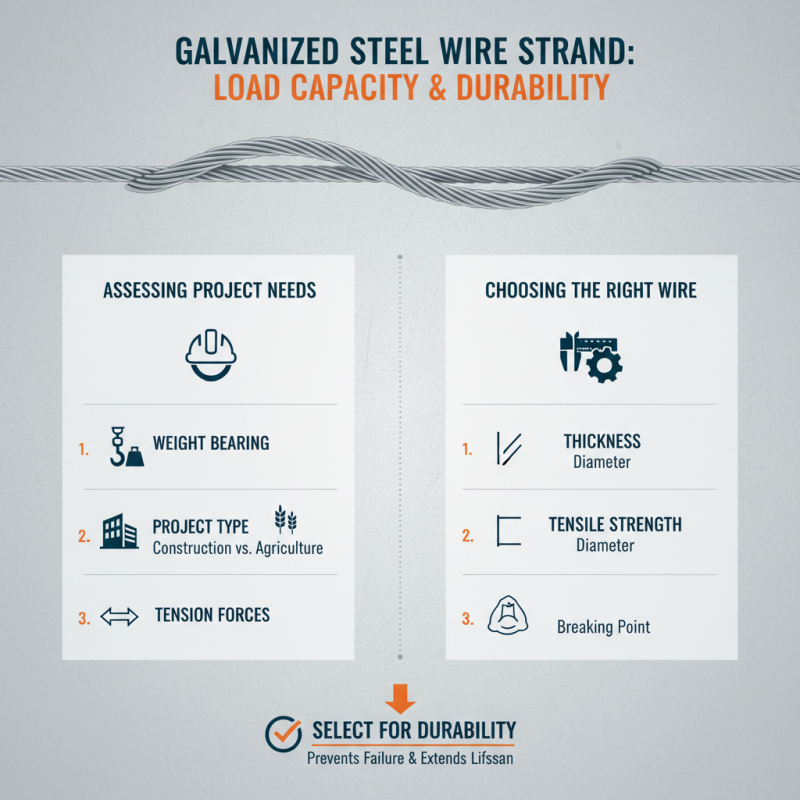
When selecting galvanized steel wire strand, understanding load capacity is crucial. This factor determines how much weight the wire can bear without breaking. Various projects demand different strengths, so it’s essential to assess the specific requirements for your intended use. For example, a wire used in construction will face different tension than one used in agriculture. Evaluating your project's demands can help you choose the right thickness and tensile strength.
Durability is another vital aspect. Galvanized wire is coated to prevent corrosion, extending its lifespan in various environments. However, some settings may still pose risks. For instance, chemical exposure can deteriorate the protective coating over time. Inspecting your project area for such conditions is key. The right wire should withstand both environmental factors and mechanical stress. It’s a balancing act between strength and longevity. Thus, consider the potential wear and tear over time. Each project will have unique challenges that require thoughtful decisions on the materials used.
Best Practices for Handling and Installing Galvanized Steel Wire Strand
When handling and installing galvanized steel wire strand, attention to detail is crucial. Proper techniques ensure safety and longevity. Be mindful of the environment during installation. Wet conditions can cause rust issues, even for galvanized materials. A dry base helps maintain the integrity of the wire.
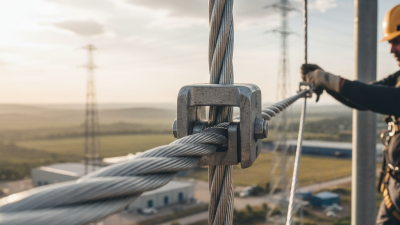
Always wear protective gear when working with steel wire. Gloves can prevent cuts, and safety glasses shield your eyes from stray particles. Remember, the twisting and bending of wire can be tricky. Ensure you have a firm grip to prevent accidental slips. Misalignment can lead to weak installations, which may require costly rework.
Tips: Maintain organization. Keep your workspace tidy to minimize hazards. Measure accurately before cutting wire strands; this saves time. Use the right tools for installation, as faulty tools can compromise the project. Remember, practice makes perfect. Each project offers a chance to refine your techniques and improve future installations.