Top 5 Tips for Choosing Glass Yarn for Optical Cables?
Choosing the right Glass Yarn for Optical Cables is crucial in today's technology-driven environment. According to a recent industry report by the Fiber Optic Association, the demand for high-performance optical cables has surged by over 25% in the last five years. The quality of materials directly impacts transmission efficiency and data integrity.
Renowned expert Dr. Susan Taylor, a leading figure in optical fiber technology, emphasizes, "The right choice of glass yarn can significantly enhance cable performance and longevity." This insight reflects the importance of material selection in achieving optimal outcomes.
While many manufacturers offer various types of glass yarn, not all meet stringent standards. Industry standards, such as ISO/IEC 11801, play a vital role in determining product quality. It's essential to navigate this complexity to ensure reliable and effective solutions in your projects. Prioritizing factors like tensile strength and refractive index will help you make informed choices.

Key Characteristics to Consider in Glass Yarn for Optical Cables
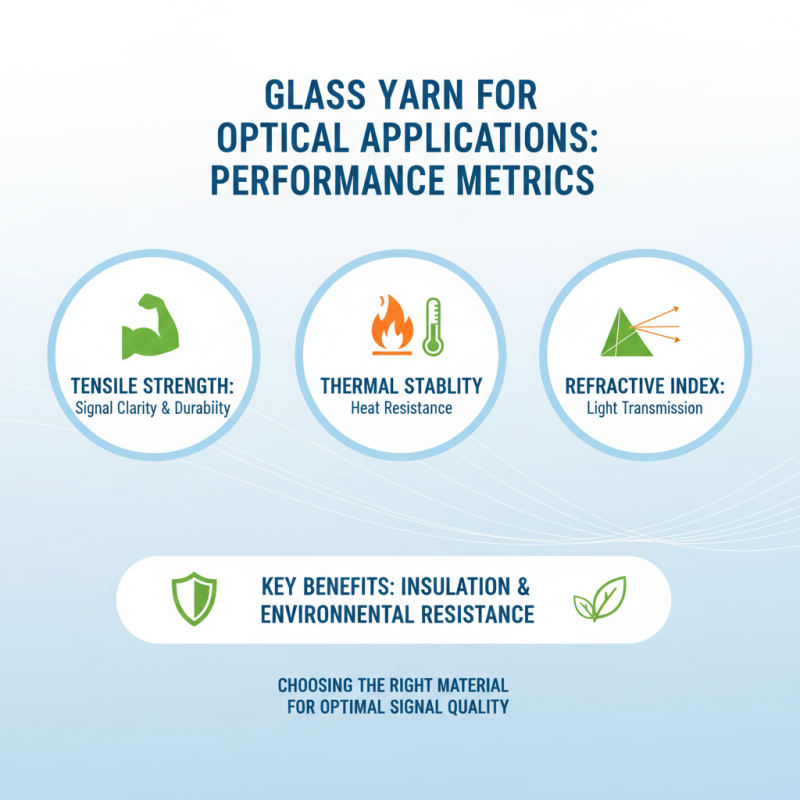
When choosing glass yarn for optical cables, key characteristics matter deeply. Not all glass yarn is created equal. Optical performance, tensile strength, and temperature resistance are essential factors. The glass yarn must efficiently transmit light while enduring various environmental conditions.
Another critical aspect is the yarn’s diameter. Thinner yarns offer flexibility but may compromise strength. Thicker versions provide durability but can reduce overall fiber density. Fit these characteristics with your specific application in mind.
Quality control is paramount too. Check for uniformity and absence of defects. Imperfections can lead to signal loss and decreased performance. Test samples before committing to large orders. This ensures that the selected glass yarn meets the required standards. Keep these details in focus, and you can make an informed decision.
Top 5 Tips for Choosing Glass Yarn for Optical Cables
When selecting glass yarn for optical cables, consider these key characteristics rated from 1 to 10 based on their importance and performance. The chart above provides a visual representation of these ratings, highlighting critical attributes necessary for optimal optical performance.
Understanding the Different Types of Glass Yarns Available on the Market
When selecting glass yarn for optical cables, understanding the various types available is crucial. Key options include silica yarn, which is known for its high thermal resistance and durability. This type supports intense thermal environments often found in industrial settings. Another common type is E-glass yarn, favored for its balance between performance and cost. Its excellent insulation properties make it a preferred choice for standard applications.
Specialty glass yarns have unique characteristics that may cater to specific needs. For instance, S-glass yarn offers increased tensile strength and is ideal for heavy-duty applications. However, this superior performance comes at a higher price, which may not be budget-friendly for all projects. On the other hand, borosilicate glass yarn provides excellent chemical resistance, suitable for environments with harsh chemicals. Understanding the nuances of these yarns aids in making informed decisions.
It's essential to evaluate your specific requirements before making a choice. Consider factors like temperature, strength, and chemical exposure. An improper selection can lead to premature failure, causing downtime and increased costs. It is wise to consult with industry experts when in doubt. Their insights can guide you towards the right choice while avoiding costly mistakes.
Assessing the Durability and Longevity of Glass Yarn in Fiber Optics
Durability is a key concern when selecting glass yarn for optical cables. Fiber optics endure various environmental stresses. Temperature changes, humidity, and physical impacts can affect performance. Understanding these factors helps in making informed choices.
When assessing glass yarn, consider its resistive properties. Some materials withstand higher temperatures and resist moisture better than others. Testing different compositions in real-world conditions can reveal surprising results. User feedback is invaluable here. It often highlights unforeseen challenges and advantages.
Longevity in fiber optics isn’t just about initial performance. Aging factors play a significant role. Over time, yellowing and brittleness can occur in some glass yarns. Regular inspections and honest assessments of wear and tear can help predict future issues. Rely on empirical data and real experiences to inform your choices. Making informed decisions ensures reliability and efficiency in optical communications.
Top 5 Tips for Choosing Glass Yarn for Optical Cables
| Tip |
Description |
Durability Rating (1-10) |
Longevity (Years) |
| Material Composition |
Choose high purity E-glass or S-glass for better performance. |
9 |
20+ |
| Temperature Resistance |
Evaluate the yarn’s ability to withstand high temperatures without degrading. |
8 |
15+ |
| Moisture Resistance |
Opt for yarns treated to resist moisture absorption for improved longevity. |
7 |
10+ |
| Mechanical Strength |
Look for yarns with high tensile strength to withstand physical stress. |
10 |
25+ |
| Compatibility with Resins |
Ensure compatibility with the resin to avoid delamination. |
8 |
15+ |
Comparing Cost Factors and Supplier Reliability for Glass Yarn Choices
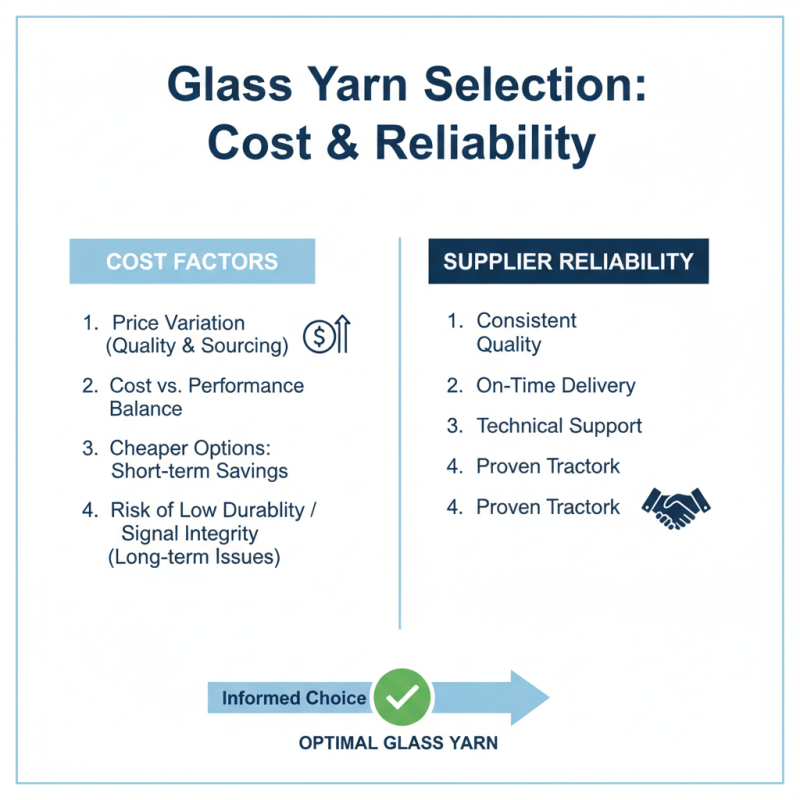
When selecting glass yarn for optical cables, evaluating cost factors and supplier reliability is crucial. The price of glass yarn can vary significantly based on quality and sourcing. Understanding the balance between cost and performance is vital. Opting for cheaper options might seem appealing initially. However, this can lead to long-term issues in durability and signal integrity.
Supplier reliability also plays a significant role in your decision process. Not all suppliers offer the same level of service or quality assurance. Investigate potential suppliers thoroughly. Look for reviews, certifications, and years in the industry. A reliable supplier should provide transparent information about their manufacturing processes and material sourcing.
While it may be tempting to choose based solely on cost, that approach can backfire. High-quality glass yarn often results in better performance. Yet, the upfront investment may be higher. Weight the risks of choosing a lower-cost alternative against potential issues down the line. Reliable suppliers can help you navigate these challenges, ensuring you receive quality materials for your optical cables.