Choosing the Right Network Cable Material Tips for Buyers
In the rapidly evolving landscape of technology, choosing the right Network Cable Material is crucial. According to the 2022 Global Networking Industry Report, over 70% of users experience connection issues due to subpar cabling choices. Expert Thomas Lee, a renowned network engineer, emphasizes, “The material of your network cables can significantly impact overall performance.” His insights highlight the importance of quality materials in ensuring reliable data transmission.
There are various types of materials available, each with distinct properties. Copper and fiber optics dominate the market, but not all installations benefit from the same choices. A common misconception is that more expensive materials always guarantee better performance. However, this isn't always true. Buyers must consider their specific needs and potential limitations.
Understanding the nuances of Network Cable Material can be daunting. Factors like installation environment and expected bandwidth play pivotal roles. Making the right decision can lead to improved network efficiency. Yet, even experienced professionals can overlook these details, leading to unexpected costs and frustrations. Balancing quality, budget, and performance is key in this complex decision-making process.

Understanding Network Cable Materials: An Overview
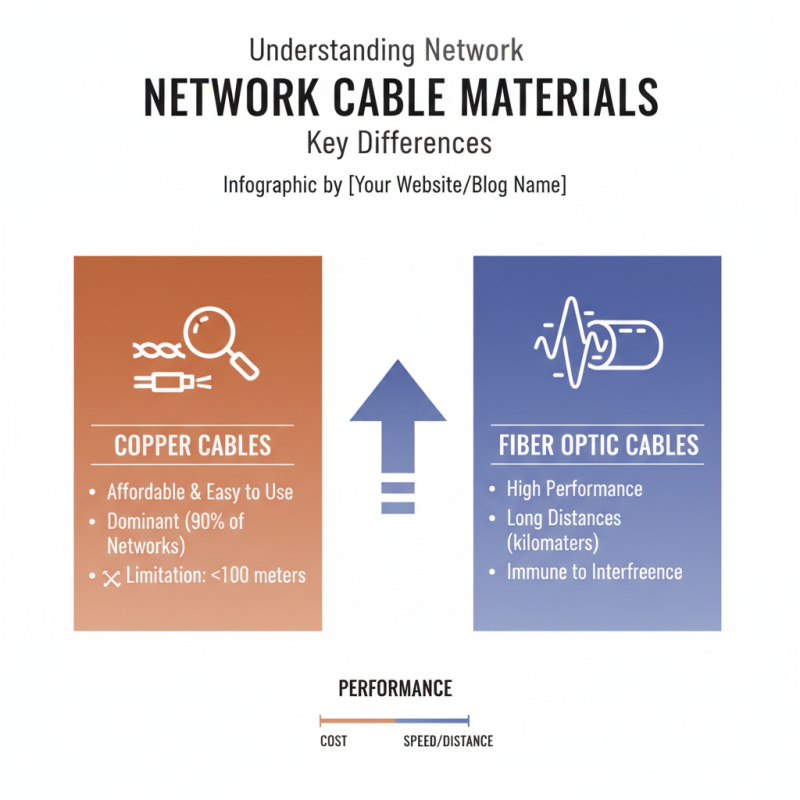
When selecting network cables, the material significantly influences performance. Understanding materials like copper and fiber optics is crucial. Copper cables, known for their affordability and ease of use, have been popular for decades. According to industry reports, around 90% of networks utilize twisted pair cables made of copper. However, they face limitations over long distances, becoming less effective beyond 100 meters.
On the other hand, fiber optic cables are designed for high-speed data transmission. They use light to transmit signals and can reach distances up to several kilometers without loss of speed. A report by the International Telecommunications Union notes that the use of fiber optics is growing at a rate of 30% annually, driven by the increasing demand for bandwidth and reliable connectivity.
**Tips**: When choosing a cable for your network, consider distance and speed requirements. If you expect heavy data traffic or long distances, fiber optics may be the better choice. Ensure the installation environment is suitable for the cable type you select. Additionally, cost is a key factor; evaluate whether the long-term benefits of fiber justify the initial investment.
Comparing Copper and Fiber Optic Cables: Pros and Cons
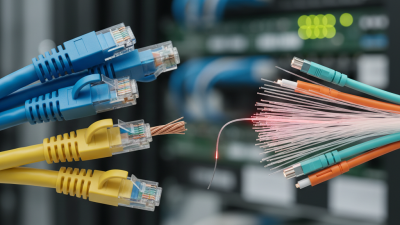
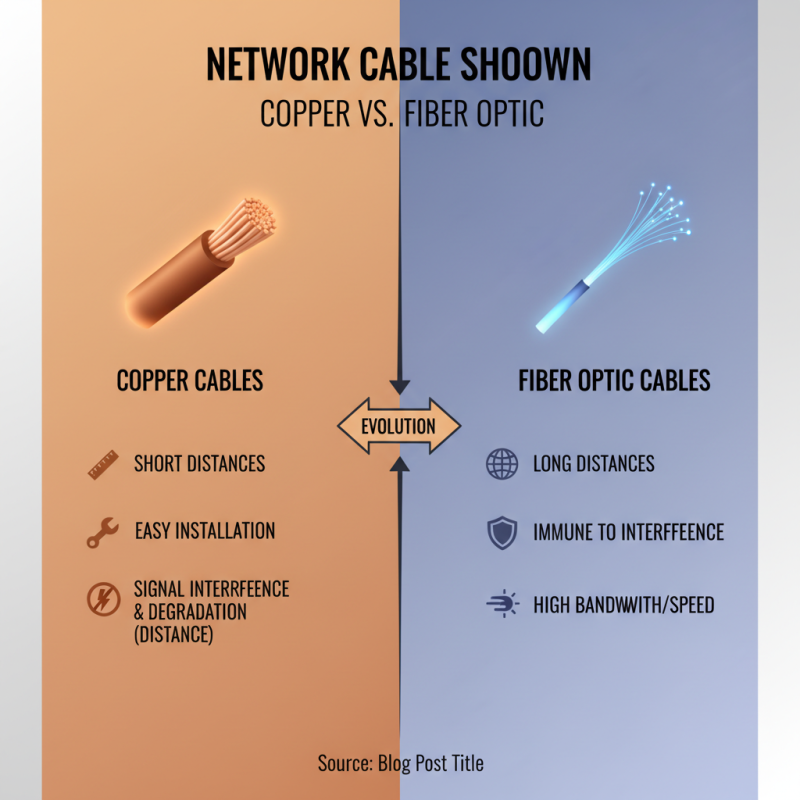
When selecting network cables, the choice between copper and fiber optic materials is crucial. Copper cables are traditional and widely used. They are effective for short distances. They are easy to install, making them a popular choice. However, copper is prone to interference. It can also suffer from signal degradation over long distances.
Fiber optic cables offer several advantages. They transmit data at higher speeds and over greater distances without loss of quality. Additionally, fiber optics are immune to electromagnetic interference. However, the installation of fiber optic cables is more complex. This can lead to higher installation costs, and they are more fragile than copper.
Tips for buyers include considering the environment where the cables will be used. For areas that require high bandwidth and long-distance runs, fiber optics are preferable. On the other hand, for smaller networks or residential applications, copper remains a viable option. It’s essential to evaluate your current and future needs before making a decision. Choosing the right material can significantly enhance your network's performance.
Factors Influencing Network Cable Performance and Durability
When selecting network cables, material choice profoundly influences overall performance. Copper cables, commonly used, offer excellent conductivity. According to a report by the Institute of Electrical and Electronics Engineers (IEEE), copper performs well up to 100 meters. However, its susceptibility to interference can impact signal quality.
In contrast, fiber optic cables provide higher bandwidth and resistance to environmental factors. A study from the Fiber Optic Association notes that fiber optic cables can transmit data over long distances without loss. Yet, they are more fragile and require careful handling.
Buyers must consider installation conditions and long-term needs. Each material has unique attributes affecting durability. For instance, copper’s flexibility can lead to wear in high-movement installations. In comparison, fiber optics need careful management to avoid breakage. The choice ultimately hinges on balancing performance, durability, and specific project requirements.
Choosing the Right Network Cable Material: Tips for Buyers
| Cable Type |
Material |
Performance (Mbps) |
Max Length (meters) |
Durability Rating |
| Cat5e |
Copper |
1000 |
100 |
Average |
| Cat6 |
Copper |
10000 |
55 |
Above Average |
| Cat6a |
Copper |
10000 |
100 |
High |
| Cat7 |
Copper |
10000 |
100 |
Very High |
| Fiber Optic |
Glass |
100000 |
2000 |
Excellent |
Identifying the Right Cable for Your Networking Needs
When selecting a network cable, material choices significantly impact performance. The two most common options are copper and fiber. According to industry research, copper cables are prevalent in homes due to their cost-effectiveness and ease of installation. However, they are limited to shorter distances and can suffer from electromagnetic interference.
On the other hand, fiber optic cables excel in long-distance transmissions. They offer higher bandwidth and are less susceptible to signal loss. A study by the International Telecommunication Union revealed that fiber installations can support data rates exceeding 10 Gbps. This makes fiber vital for businesses needing reliable, high-speed connections.
Yet, choosing the right cable isn't just about material. It's also about assessing your specific needs. Not everyone requires the high capacity of fiber. Many small businesses still benefit from the affordability of copper. Understanding your requirements ensures you avoid overspending on unnecessary capabilities. Knowing the trade-offs can help guide your decision for the best networking solution.
Cost Considerations for Different Network Cable Materials
When selecting network cables, the material can significantly impact the overall cost.
Copper and fiber optic cables are the two primary materials available.
Copper cables are generally cheaper, making them a popular choice for many buyers.
However, they also come with limitations like susceptibility to interference and distance constraints.
For shorter connections, they work well, but for long-distance data transmission, they may not be sufficient.
On the other hand, fiber optic cables are more expensive but offer numerous advantages.
They support higher data rates and longer transmission distances without signal degradation.
Using fiber, especially in high-traffic areas or for future-proofing, can lead to better long-term reliability.
Weighing these cost differences is not always straightforward. Buyers must consider their specific needs, including the environment and equipment compatibility.
Mistakes in material selection can drive up costs, leading to unexpected expenses down the line.
Every choice carries weight, and making the wrong decision about network cable material can affect performance and budget.
Delving into the specifications and scenarios of each material type is essential. Reflecting on past experiences can also inform better choices in the future.