How to Choose the Right Cable Material for Your Needs?
Choosing the right cable material is crucial for achieving optimal performance in various applications. According to the International Electrotechnical Commission (IEC), the right cable material can significantly impact conductivity, flexibility, and durability. For instance, copper remains a leading choice due to its superior electrical conductivity, which is about 60% better than aluminum. However, aluminum cables are lightweight and cost-effective, making them more favorable in certain scenarios.
Wire and Cable Manufacturing, a renowned industry report, indicates that the choice of cable material can affect not just performance, but also safety and longevity. For example, PVC insulations can handle a wide temperature range, but they may not endure harsh environmental conditions as well as other materials. It's essential to consider the specific use case and environmental factors when selecting cable materials.
A misstep in material selection can lead to significant issues. Not all materials are created equal. Some may offer great flexibility but compromise on strength. Others might excel in resistance but fail in conductivity. Evaluating your specific needs helps mitigate risks and promotes reliability in your projects. Understanding the details of cable materials is vital to avoid costly mistakes down the road.

Understanding the Different Types of Cable Materials Available
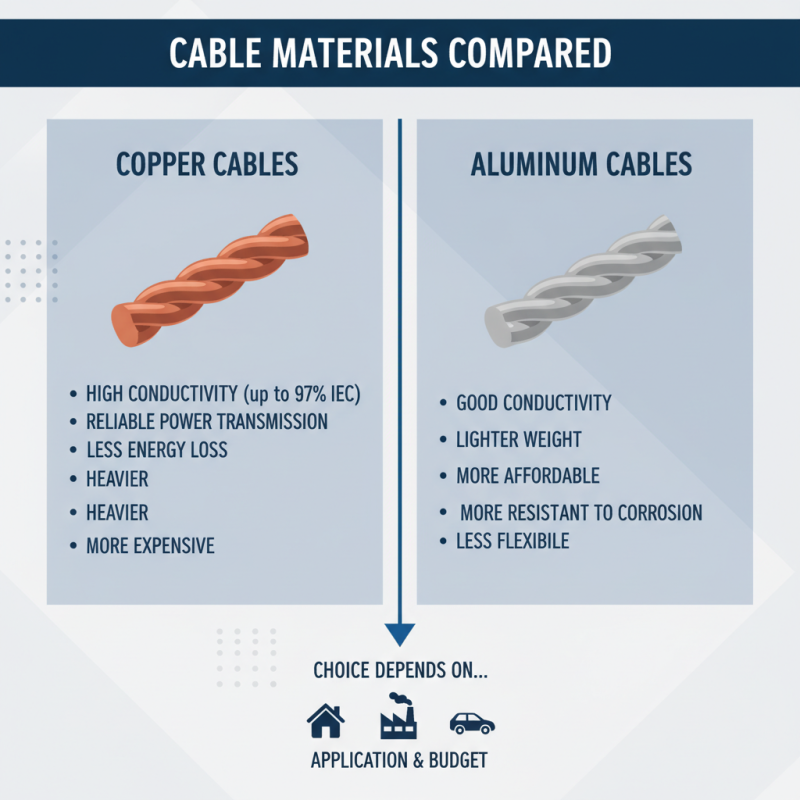
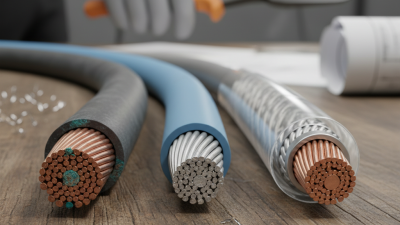
When selecting a cable material, users face a plethora of options, each with distinct characteristics. Copper and aluminum are the most common types. Copper is highly conductive and reliable, making it ideal for power transmission. According to the International Electrotechnical Commission (IEC), copper cables can have conductivity levels of up to 97%. This means less energy loss over long distances. However, copper is heavier and more expensive than aluminum.
Aluminum has its advantages too. It’s lightweight and generally more affordable. Although its conductivity is about 61% of copper's, advancements have improved aluminum alloys. A recent report by the Institute of Electrical and Electronics Engineers (IEEE) indicates that innovative manufacturing processes have increased aluminum’s performance, making it a viable alternative. The choice between these materials often hinges on specific applications and budget constraints.
Additionally, various environmental factors influence material selection. Some applications may expose cables to harsh conditions. Agility and flexibility can be essential, particularly in automotive or aerospace industries. The American National Standards Institute (ANSI) underscores that selecting the right cable material can save costs and enhance safety. However, the trade-offs between durability, weight, and price warrant careful consideration. Users should weigh all options and acknowledge the complexities involved.
Evaluating the Performance Characteristics of Various Cable Materials
Choosing the right cable material requires understanding various performance characteristics. Different materials offer unique advantages and disadvantages that suit specific applications. For example, copper wires provide excellent conductivity, but they can be expensive. Aluminum offers a lighter option but may not conduct as efficiently.
When evaluating cable materials, consider factors like tensile strength, thermal resistance, and flexibility. These aspects play a significant role in the longevity and efficiency of your cables. Selecting a material with the proper tensile strength is crucial; a weaker cable may break under pressure. Similarly, thermal resistance affects how cables perform in high-temperature environments.
Tips: Always test your cables under real conditions. This practice helps reveal hidden weaknesses in your material choice. Inspecting cables regularly can prevent unexpected failures. Additionally, think about the environment where the cable will be installed. Moisture, temperature extremes, and mechanical stress can impact performance. Not all materials handle these challenges equally well. Understanding these elements enriches your decision-making process.
Assessing Environmental Impact and Durability of Cable Materials
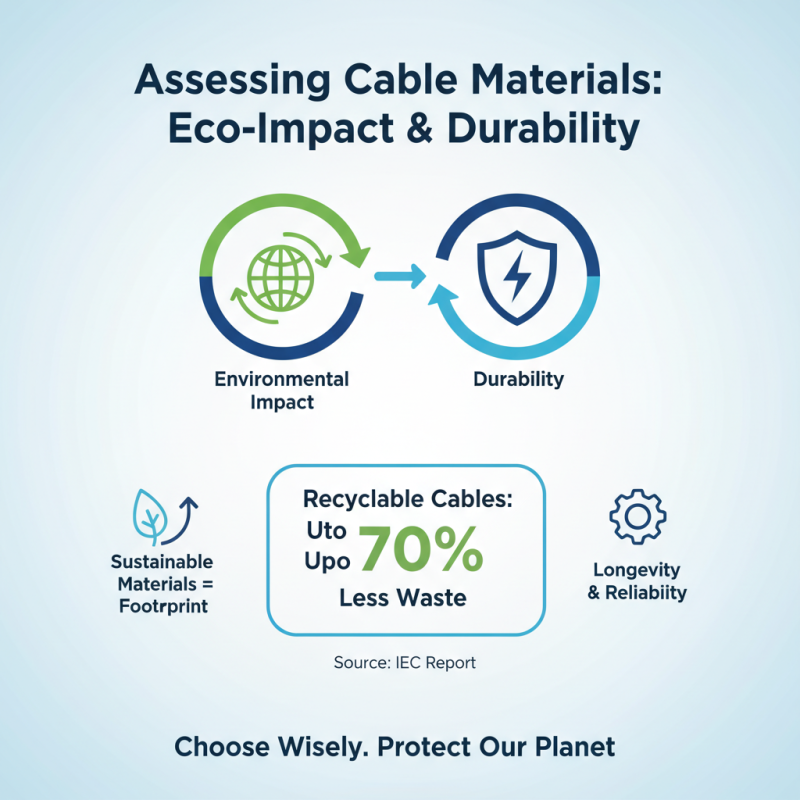
When selecting cable materials, environmental impact and durability are crucial factors. According to a report by the International Electrotechnical Commission (IEC), cables made from recyclable materials can reduce waste by up to 70%. This statistic highlights the significant role of sustainable materials in minimizing environmental footprints.
Different materials offer varying resistance to harsh conditions. Copper cables, for example, provide excellent conductivity but are subject to corrosion when exposed to moisture. In contrast, aluminum cables, though lighter, can degrade under extreme temperatures, impacting their longevity. The IEC has found that copper cables can last over 40 years in ideal conditions. However, this durability may not compensate for the environmental costs associated with mining copper.
Moreover, the production process of some cables generates substantial greenhouse gases. A study from the American Society of Civil Engineers (ASCE) noted that the manufacturing of plastic insulated cables produces around 2.5 kg of CO2 per meter. This adds another layer to your decision-making process. Choosing the right cable material involves weighing the benefits against potential environmental drawbacks and durability challenges.
Considering Cost and Budget Constraints in Cable Material Selection
When selecting cable materials, cost and budget constraints play a significant role. Budget limitations often dictate the choice between high-performance options and more economical alternatives. Understanding the balance between performance and price is crucial. Cheaper materials might save initial costs, but can lead to higher expenses in repairs or replacements. It's essential to analyze both upfront and long-term costs.
Many industries utilize different materials based on specific needs. Copper, for instance, offers excellent conductivity, but it may stretch budgets. On the other hand, aluminum cables can reduce costs but may sacrifice some efficiency. Consider the trade-offs carefully. Evaluating your project's scale can illuminate which material is viable within your budget. Pay attention to the project's unique requirements and future scalability as well.
Ultimately, there is no one-size-fits-all solution. The wrong choice could lead to setbacks or unanticipated expenses. It may require deeper reflection on what compromises you can tolerate. Budget constraints are common, but they shouldn't dictate quality blindly. Invest time in research and consult experts to make an informed decision that aligns with both your budget and performance needs.
Identifying Specific Applications for Optimal Cable Material Use
When choosing cable materials, consider specific applications carefully. Different environments require different properties. For harsh outdoor conditions, look for materials that resist moisture and UV damage. PVC and rubber are common choices for their durability. However, remember that flexibility is often compromised with heavier insulation.
For high-temperature environments, materials like silicone or fiberglass are necessary. These can withstand extreme heat without degrading. Conversely, if weight is a factor, aluminum cables can provide strength with less mass. They are often used in aerospace and automotive applications. Still, corrosion resistance becomes critical in such cases.
It’s important to assess the electrical requirements too. Copper remains a superior conductor, but it may not be the best option if cost is a concern. Conductivity versus budget can lead to tricky decisions. Always verify the suitability of materials against potential hazards. Misjudged selection could lead to failures in systems. Reflecting on past projects can provide insights into what works best.
How to Choose the Right Cable Material for Your Needs?
This chart compares the material strength of different cable types, showcasing how each material performs in terms of tensile strength, which is essential for selecting the appropriate cable for specific applications.