How to Choose the Right Cable Material for Your Project?
Choosing the right cable material is crucial for any engineering project. The material affects performance, lifespan, and safety. According to a report by the International Wire and Cable Association, selecting the appropriate cable material can reduce costs by up to 30%. This statistic highlights the importance of informed decision-making.
Different projects require specific properties. For instance, copper cables offer excellent conductivity and flexibility, while fiber optic cables provide high-speed data transmission. Yet, factors such as environmental conditions and regulatory standards must also be considered. A common oversight is neglecting to evaluate the project's specific needs before selecting a cable material.
Understanding the right cable material goes beyond just technical specifications. It also involves recognizing potential shortcomings. Conducting thorough research and considering various factors can lead to better choices. In a rapidly evolving industry, staying updated with material advancements will be essential for project success.
Understanding Different Cable Materials and Their Properties
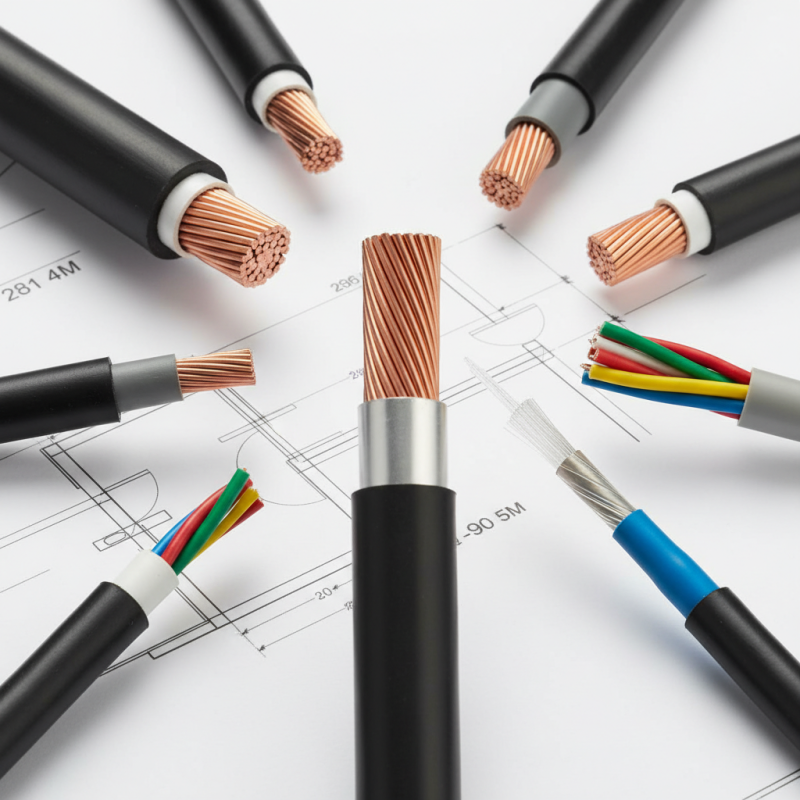
When selecting cable materials for a project, understanding their properties is crucial. Different materials have unique characteristics that affect their functionality. Copper is known for its excellent conductivity. It's lightweight and flexible. However, it can tarnish over time and is more expensive than other options.
Aluminum is a popular alternative. It's considerably lighter and less costly than copper. Although it has lower conductivity, its corrosion resistance makes it a suitable choice for outdoor projects. Yet, users must consider the risk of oxidation, which can impair performance.
Some projects may require specialized materials like fiber optic cables. These cables excel in data transmission but are fragile. They need careful handling and installation. Understanding the environment and specific needs of a project can help avoid future issues. Each material has its strengths and weaknesses. Making the right choice saves time and prevents costly mistakes down the line.
Considering Environmental Factors in Cable Material Selection
Choosing the right cable material is critical. Environmental factors play a major role in this decision. Some materials, like PVC and polyethylene, perform better in specific conditions. However, are these materials sustainable? Research shows that over 30% of global plastic waste is from cable insulation. This statistic demands attention.
Temperature and humidity affect cable performance. For instance, rubber insulation is more flexible in cold temperatures. Yet, it might degrade faster under UV exposure. In contrast, materials like cross-linked polyethylene (XLPE) have superior resistance but may not be as eco-friendly. The choice isn't black and white.
Another point to ponder is how local regulations impact material selection. Some regions promote the use of biodegradable materials. Yet, these options may lack durability. A balance between environmental responsibility and performance is necessary. Engineers must navigate these complexities thoughtfully. Each project may require a different approach.
How to Choose the Right Cable Material for Your Project?
This chart illustrates the environmental resistance of various cable materials commonly used in projects. The data reflects their performance in different conditions such as temperature, moisture, and UV exposure.
Assessing Mechanical Strength and Durability of Cable Types
When choosing cable materials for your project, consider mechanical strength and durability. Different types of cables offer varying levels of strength. For instance, steel cables are robust but can be heavy. In contrast, synthetic cables are lighter but may lack the same durability. Analyzing the application is crucial. Over time, cables can wear down. This is especially true in harsh environments.
Think about where the cables will be used. Will they face extreme temperatures, moisture, or chemical exposure? These factors can significantly affect their lifespan. Look for signs of wear after months of use. Sometimes, what seemed like a solid choice can fail under pressure. Reflect on past projects and the materials chosen. Could you have made a better selection?
Take the time to test different materials. Simulate conditions and inspect the results. Durability doesn’t only come from the material itself but from how it performs over time. It's easy to overlook details during planning. Always reevaluate your choices, even late in the process. The right cable can make or break the success of your project.
How to Choose the Right Cable Material for Your Project? - Assessing Mechanical Strength and Durability of Cable Types
| Cable Type |
Material |
Tensile Strength (MPa) |
Durability (Years) |
Best Use Case |
| Multi-Core Cable |
Copper |
210 |
30 |
Electronics and Appliances |
| Single-Core Cable |
Aluminum |
300 |
25 |
High Voltage Applications |
| Fiber Optic Cable |
Glass |
N/A |
50 |
Data Communication |
| Coaxial Cable |
Copper |
100 |
20 |
Television and Internet |
| PVC Insulated Cable |
Copper |
180 |
40 |
Residential Wiring |
Cost Analysis and Budgeting for Cable Material Choices
When budgeting for cable materials, it's essential to assess cost versus quality. Cheaper options may seem appealing. However, low-cost materials often lead to more significant issues down the line. This could result in increased repair and replacement costs. Investing in reliable cables can prove economical in the long run.
Consider specific project needs. For example, if you're working in a high-temperature environment, certain cable types perform better. However, they might cost more upfront. Analyze how much you can afford to spend. Sometimes, stretching your budget for a quality material pays off. Every project has constraints, but understanding these details is key.
Another area to reflect on is the total lifecycle cost of the cables. Mixing and matching different materials could lead to compatibility issues. It’s not just about the initial purchase price, but also installation and maintenance costs. Weighing these factors will help you make better decisions. A well-informed choice can enhance project success while staying within budget.