How to Choose the Right PVC Network Cable Material for Your Needs?
Choosing the right PVC network cable material can significantly affect your network’s performance. The market provides various options, but not all meet your needs. Understanding PVC network cable material’s properties is crucial for making an informed decision.
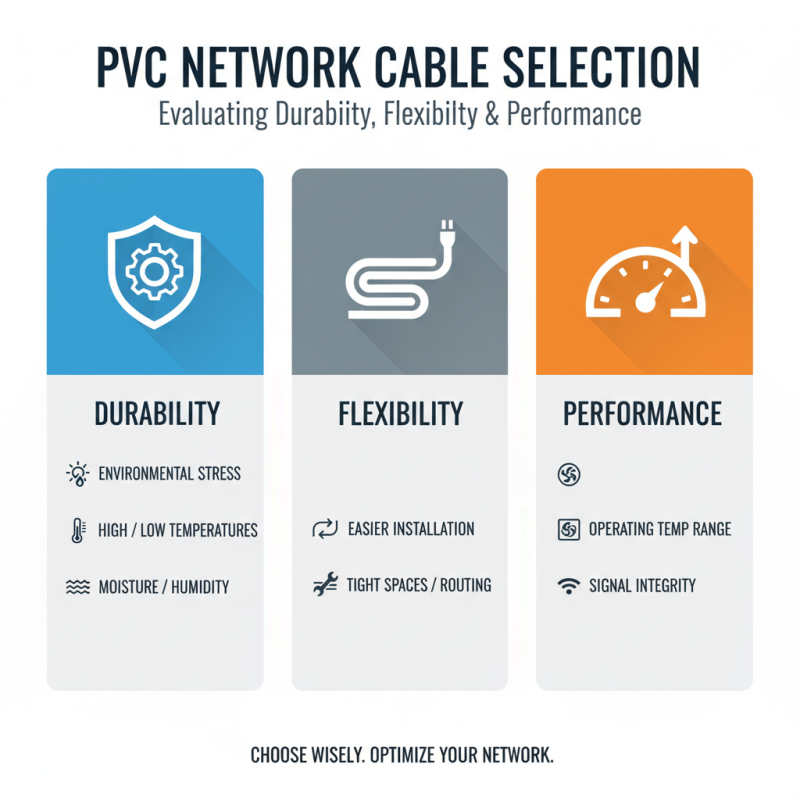
PVC, or polyvinyl chloride, is widely used due to its flexibility and durability. However, it can vary in quality. Consider factors like temperature range and environmental conditions. These elements can impact the cable's lifespan and effectiveness. Think about your specific use case. Are you in a high-traffic area or a more stable environment?
Selecting the right material isn't always straightforward. Many professionals overlook essential details, leading to future problems. A slight mistake can result in inadequate performance. Different projects may require different specifications. It's not just about picking a cable; it’s about ensuring longevity and reliability in your network system.
Understanding PVC Network Cable Materials and Their Properties
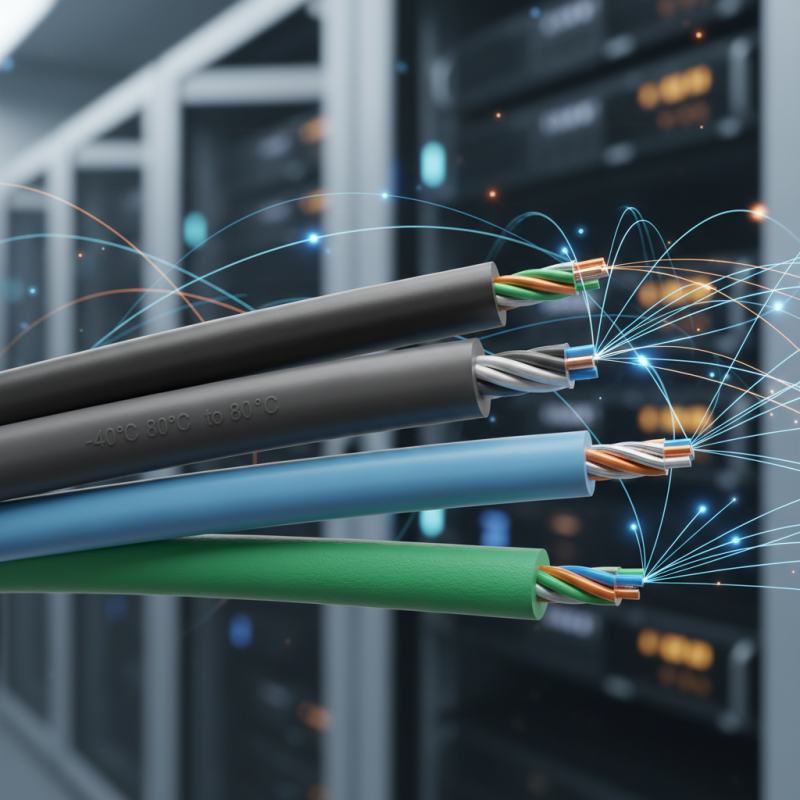
When choosing PVC network cable materials, understanding their properties is crucial. PVC, or polyvinyl chloride, is widely used for cable insulation. It is known for being durable and flexible. PVC cables are resistant to many environmental factors, such as moisture and abrasion. This makes them a popular choice for various applications, including indoor setups and outdoor installations where protection is needed.
Different grades of PVC can affect the performance and safety of cables. Some PVC materials offer better heat resistance, which is essential for high-performance environments. This could be a deciding factor if your network operates under high temperatures. Additionally, some cables feature enhanced fire resistance. This is important for installations in commercial spaces where safety regulations must be met.
However, not all PVC cables are created equal. The quality can vary significantly between manufacturers. This can lead to inconsistencies in performance over time. An important consideration is the environment where the cables will be installed. For instance, in areas with extreme temperatures, standard PVC might not suffice. Understanding your specific needs will help ensure you choose the right material for your network setup.
Identifying Your Specific Networking Needs and Requirements
When choosing the right PVC network cable, it’s crucial to assess your specific networking needs. Start by considering the environment where the cables will be installed. For indoor use, basic PVC cables may suffice. However, for outdoor settings, you might need cables designed to resist moisture and UV light. Take note of the temperature ranges in your location. Extreme temperatures can affect cable performance.
Next, think about the bandwidth requirements of your network. High data demands may need thicker cables with better insulation. Consider the distance the signals must travel. Longer distances can lead to signal degradation. Using the right cable type will mitigate these issues. Sometimes, it’s not easy to predict all your needs. This can lead to choosing unsuitable materials, resulting in performance issues. Reflect on past experiences. Have you faced connectivity problems due to poor cable choices?
Lastly, ask yourself about future upgrades. If you plan to expand your network, selecting flexible and scalable cable options is wise. Balance current needs with future aspirations. Choosing the right cable isn’t just about the present; it’s about ensuring longevity and reliability in your network. Explore thoroughly and avoid hasty decisions.
How to Choose the Right PVC Network Cable Material for Your Needs?
| Network Type |
PVC Material Characteristics |
Suitability |
Typical Use Cases |
| Ethernet |
Flexible, good insulation, resistant to humidity |
Ideal for indoor installations |
Office networks, home networks |
| Coaxial |
Durable, shielded against electromagnetic interference |
Suitable for long-distance transmission |
TV signals, internet connections |
| Fiber Optic |
Lightweight, fast data transmission, immune to electrical interference |
Best for high-speed data applications |
Data centers, enterprise networks |
| Telephone |
Moderate flexibility, good dielectric properties |
Ideal for voice communication |
Landline phones, intercom systems |
Comparing PVC vs. Alternative Cable Materials
When selecting cable materials, PVC is a common choice. It is flexible and resistant to moisture. However, alternative materials are emerging. They can offer unique benefits. For instance, low smoke zero halogen (LSZH) cables reduce toxic smoke emissions. This can be crucial in enclosed spaces, enhancing safety during a fire.
Comparing PVC and alternative materials is essential. PVC cables are often less expensive than their counterparts. However, they may not perform well in extreme temperatures. On the other hand, some alternatives can withstand harsh conditions. For example, polyurethane cables provide excellent resistance to abrasion and chemicals. Yet, they can be pricy.
Reflecting on your needs is vital. Not all materials are suitable for every application. Consider the environment and potential hazards. If you need flexibility, PVC may work well. But, if safety is a concern, LSZH might be better. It’s about finding a balance that fits your specific situation. This decision is not always straightforward and requires careful consideration.
Making a Cost-Effective Decision for Your Cable Purchase
Choosing the right PVC network cable is crucial for various applications. Focus on functionality and cost-effectiveness when making your decision. Material quality often determines the durability and performance of the cable. PVC is a popular option due to its flexibility and affordability, but it may not always be the best fit for every project.
Consider the environment where the cable will be used. Will it be exposed to harsh conditions? Standard PVC may not withstand extreme temperatures or moisture. A specialized material might be necessary, even if it costs more. Reflect on your budget and long-term needs. Sometimes, investing in a higher-quality cable can save money in repairs down the line.
Evaluate different suppliers and their offerings. Look for reviews and user feedback. Sometimes, the cheapest option turns out to be the most costly in the end. Weight the initial cost against potential future expenses. Make a choice that aligns more with your projects' requirements than just the price tag. Your decision now can impact efficiency and reliability later.