How to Use Galvanized Steel Wire Strand Effectively?
Galvanized Steel Wire Strand has become crucial in various industries, including construction and telecommunications. According to a report by the Global Steel Wire Industry Association, the demand for galvanized products is projected to grow by 6% annually through 2025. This rise reflects the material's durability and resistance to corrosion, which makes it a preferred choice for many applications.
Expert Dr. Emily Thornton, a leading voice in wire manufacturing, states, “Optimizing the use of Galvanized Steel Wire Strand can significantly enhance structural integrity.” This emphasizes the necessity to understand the material's characteristics and applications fully. While many companies are adopting galvanized strands, they often overlook the importance of proper installation techniques, which can lead to decreased performance and safety risks.
In the pursuit of efficiency, some industries are still grappling with challenges. Improper handling or installation can compromise the benefits of galvanized strands. Awareness and training remain essential. Industries must reflect on current practices to improve usage effectiveness. Integration of specialized training for workers is a positive step toward overcoming these obstacles.
Understanding Galvanized Steel Wire Strand and Its Properties
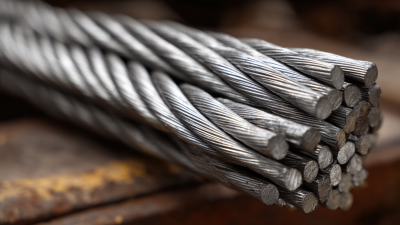
Galvanized steel wire strand is a versatile product widely used in construction and agriculture. It consists of steel wire coated with zinc, providing excellent corrosion resistance. This protective layer can extend the life of the wire significantly. According to the International Steel Association, galvanized wire can last up to 30 years under optimal conditions.
Understanding its properties is crucial. The tensile strength of galvanized steel wire strand averages between 600 to 900 MPa, making it strong yet flexible. This balance allows it to withstand heavy loads without breaking. The diameter can range from 1.2 mm to 7.5 mm, enabling its use in various applications. When selecting wire, consider both the environment and the intended use.
**Tips:** Always check the wire's zinc coating thickness. A thicker coating offers better corrosion protection. Ensure the diameter matches your project's needs. For instance, thinner wires may not support heavy weights. Installation also matters. Proper techniques prevent future issues, such as snapping or rust. Make decisions based on reliable data to avoid potential hazards. Reflect on your choices; sometimes, the best option isn't the most obvious one.
Applications of Galvanized Steel Wire Strand in Various Industries
Galvanized steel wire strand finds important applications across various industries due to its durability and strength. In construction, it is commonly used for tensioning cables in buildings and bridges. These strands offer resistance to corrosion, making them suitable for outdoor use. Their robust nature means they can withstand significant loads. However, improper installation can lead to failure.
In the agriculture sector, galvanized steel wire strand plays a vital role in fencing and supporting crops. It helps secure livestock and protect crops from wildlife. The wire's ability to resist rust is beneficial in humid environments. Yet, some farmers still opt for cheaper alternatives, which often result in greater long-term costs. Reflecting on these choices can lead to smarter investments.
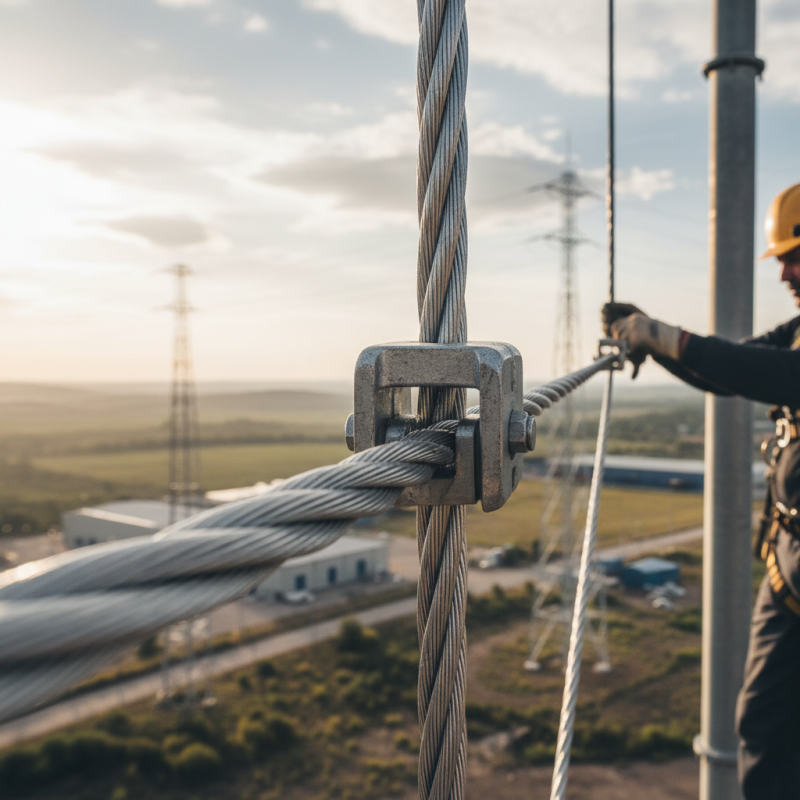
The telecommunications industry also utilizes galvanized steel wire strands. They are involved in the construction of towers that support communication lines. This ensures stability and durability under various weather conditions. Poor planning in installation can sometimes compromise the effectiveness of these strands. It's essential to regularly assess their condition and address any issues promptly.
Best Practices for Handling and Installing Galvanized Steel Wire Strand
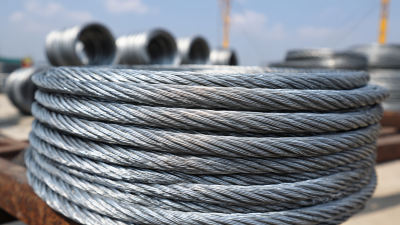
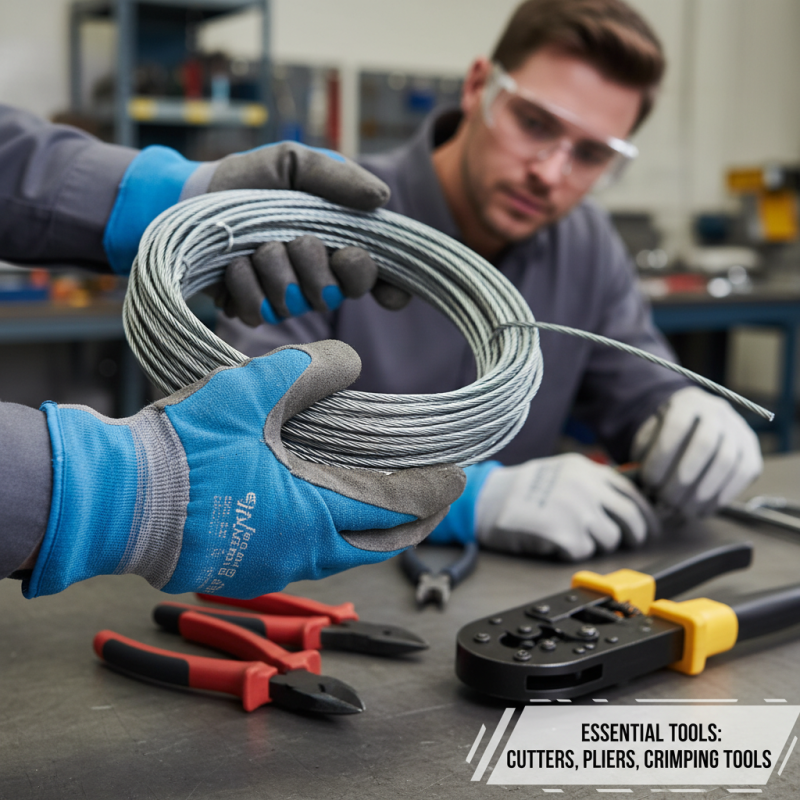
Handling and installing galvanized steel wire strand requires attention to detail. Before beginning, wear gloves and safety glasses. The strands have sharp edges that can cause injuries. Ensure you have the right tools on hand. Cutters, pliers, and crimping tools are essential for a successful installation.
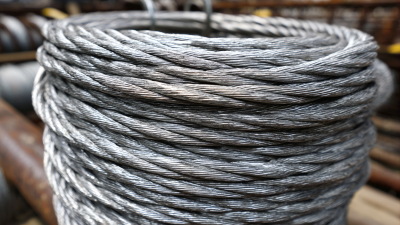
When unspooling the wire, do it slowly to avoid tangling. A tangled wire can lead to frustration and delays. Consider using a wire dispenser to simplify the process. It keeps the strands organized and prevents them from kinking. Remember, patience is key. Rushing through the process can lead to mistakes, so take your time.
During installation, maintain proper tension. Too much stress can weaken the wire. Conversely, too little tension may lead to sagging. Regularly check for any signs of corrosion, despite the galvanization. It’s crucial to keep your installation durable. Reflecting on your methods can lead to improvements. What worked well? What didn’t? Keeping a journal may help in future projects.
Maintenance and Care Tips for Longevity of Steel Wire Strands
Galvanized steel wire strands are often chosen for their durability and resistance to corrosion. However, proper maintenance is crucial to ensure longevity. According to a study from the American Society for Testing and Materials, steel strands can last up to 50 years in optimal conditions. Yet, neglect can drastically shorten this lifespan.
Regular inspections are essential. Look for signs of wear and corrosion. In harsh environments, schedule checks at least twice a year. Keeping the strands clean can also prevent debris accumulation. Even a small amount of rust, if left untreated, can lead to significant structural issues. Proper storage is vital as well; avoid damp locations that promote oxidation.
Some maintenance techniques may seem tedious but are necessary. Applying a protective coating can add years to the lifespan. If strands are exposed to chemicals, rinsing them with clean water can mitigate damage. Data from industry reports indicate that proactive maintenance increases steel wire longevity by 30%. While the process may require effort, the investment is worth the trouble.
Common Issues and Troubleshooting When Using Galvanized Steel Wire Strand
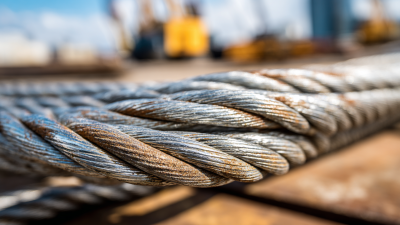
When using galvanized steel wire strand, common issues can arise. One main concern is corrosion. Despite its protective coating, galvanized steel can still rust if damaged. A study from the American Galvanizers Association indicates that even minor scratches can lead to significant corrosion over time.
Another issue is tension variation. Improper installation can result in uneven tension along the strand. This can lead to structural weaknesses. To avoid this, regularly check the tension during installation and maintenance. A report from the Wire and Strand Institute emphasizes that maintaining proper tension can increase the lifespan of the strand significantly.
Tip: Always inspect the wire strand for any signs of wear. Check for frayed ends or visible rust. Address these issues promptly to maintain safety.
Fatigue failure is also a concern. Repeated loading and unloading can weaken steel strands over time. The fatigue life can be significantly reduced if the strand is not rated for the specific load conditions. Industry data illustrates that fatigue can cut the lifespan in half if not managed properly.
Tip: Consider conducting regular load tests. They help ensure that the strand can handle its load capacity, ensuring safety and longevity.