What is Indoor Ftth Optical Fiber Cable and Its Benefits?
Indoor Ftth Optical Fiber Cable is transforming the telecommunications landscape. This advanced technology provides high-speed internet access directly to indoor locations. According to a recent report by Industry Analytics, the demand for indoor FTTH solutions is projected to grow by over 25% annually through 2025. This growth reflects the increasing need for reliable connectivity in homes and businesses.
Experts highlight the benefits of Indoor Ftth Optical Fiber Cable. One such authority, Dr. Lisa Wong, a leading telecommunications researcher, states, "Indoor FTTH solutions enable seamless connectivity, enhancing everyday operations." This technology offers numerous advantages, including higher bandwidth and lower latency compared to traditional copper cables. Additionally, it improves the user experience, creating an essential infrastructure for modern digital demands.
While the benefits are compelling, challenges remain. Implementing Indoor Ftth Optical Fiber Cable requires careful planning and investment. Infrastructure costs can be significant. Moreover, companies must navigate existing regulatory frameworks. Balancing these factors is crucial for successful deployment. The future of indoor connectivity hinges on how well we address these ongoing challenges.
Definition of Indoor FTTH Optical Fiber Cable
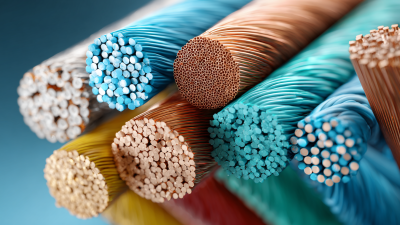
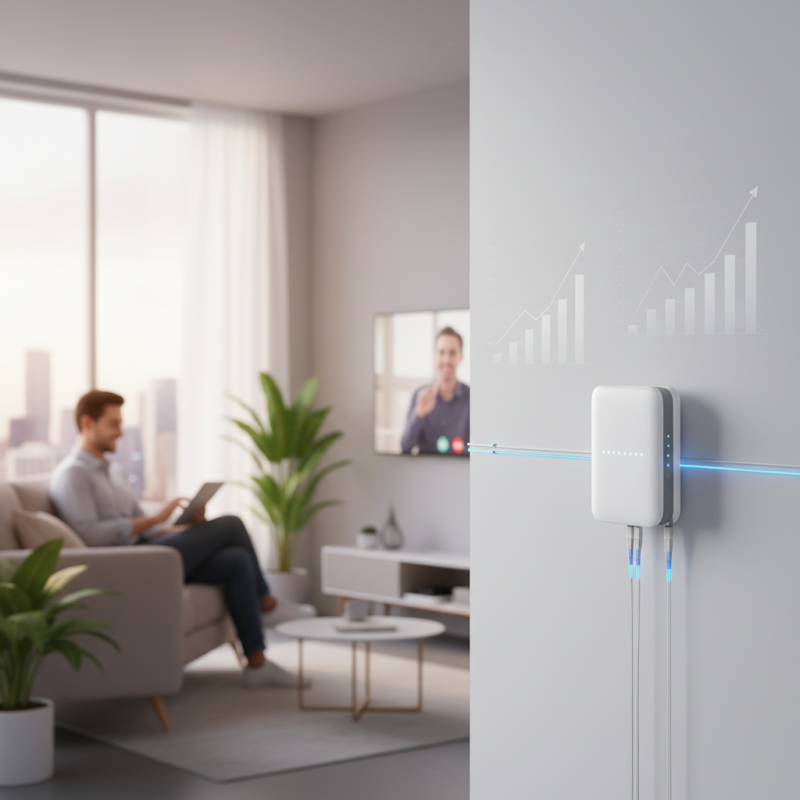
Indoor FTTH (Fiber to the Home) optical fiber cable is a specialized type of cabling designed for high-speed internet delivery within residential and commercial buildings. This cable consists of multiple fibers encased in protective sheathing, allowing it to transmit data over long distances with minimal loss of signal quality. The construction is robust yet flexible, enabling easy installation through walls and ceilings.
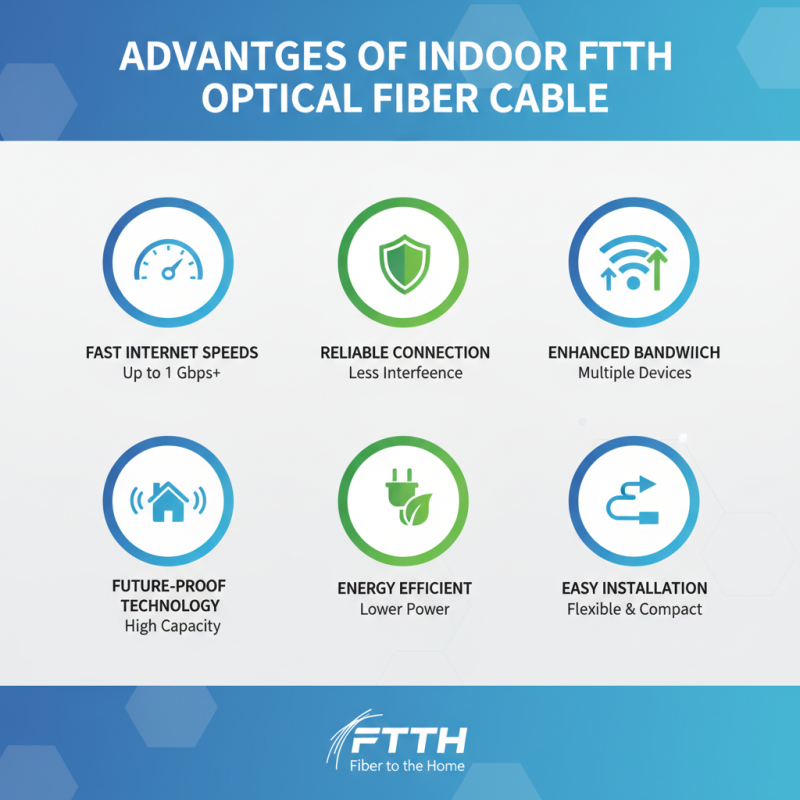
One notable benefit of indoor FTTH optical fiber cables is their high bandwidth capacity. This allows for faster internet speeds and better overall performance for multiple devices connected simultaneously. The reduced interference from radio waves makes fiber cables a reliable choice for dense urban areas. However, installation can be complex, requiring skilled technicians who understand the intricacies of network layouts. Proper planning is essential to avoid issues later on.
Indoor FTTH cables are also energy-efficient. They consume less energy compared to traditional copper cables while providing higher performance. Yet, the initial cost may be higher. This can lead to hesitation among some consumers. Understanding the long-term benefits can help in making an informed decision. The longevity and durability of optical fibers can outweigh these early investments over time.
Key Components of Indoor FTTH Optical Fiber Cable
Indoor FTTH (Fiber to the Home) Optical Fiber Cables are essential for modern telecommunications. They are designed specifically to deliver high-speed internet and data services within residential and commercial buildings. Understanding their key components can help in selecting the right solution for your needs.
The primary components of Indoor FTTH cables include the fiber core, cladding, and buffer coating. The fiber core, made of glass or plastic, carries the light signals. The cladding surrounds this core, ensuring that the light signals remain contained within, preventing loss during transmission. The buffer coating provides necessary protection against environmental damage and physical stresses. According to a report by the International Telecommunication Union, FTTH technology can significantly enhance internet speeds, with potential rates reaching up to 1 Gbps or more.
Tips: When choosing Indoor FTTH cables, consider the environment in which they will be installed. Factors like temperature fluctuations and moisture levels can impact performance. While many cables are designed for durability, it’s crucial to check for specifications that ensure reliability in specific settings.
Another important aspect is the scalability of the installation. Many residential and business users express concern over future-proofing their networks. The right Indoor FTTH cables should accommodate current needs while allowing for easy upgrades. Inadequate planning can lead to costly renovations down the line. Careful consideration of installation layout can prevent network inefficiencies caused by improper routing and tight bends in the cable path.
Advantages of Using Indoor FTTH Optical Fiber Cable
Indoor FTTH (Fiber to the Home) optical fiber cable is increasingly popular due to its numerous advantages. This type of cable is designed specifically for indoor environments, enabling faster and more reliable internet connections. According to industry reports, FTTH can deliver internet speeds exceeding 1 Gbps, making it a preferred choice for consumers and businesses alike.
One significant benefit of indoor FTTH optical fiber is its lower signal attenuation compared to traditional copper cables. This means that data can travel longer distances without loss of quality. The versatility of fiber optics also allows for a cleaner, more organized installation, reducing clutter and enhancing aesthetics. Many users appreciate how FTTH supports high-definition streaming, online gaming, and telecommuting.
Tip: When considering installation, ensure proper planning of cable routes. This can significantly optimize performance.
Another advantage is durability; fiber cables are less susceptible to electromagnetic interference. They are also more resilient in harsh environments. Despite these benefits, some users might face challenges during installation, necessitating skilled technicians.
Tip: Always verify local regulations before installation to avoid unexpected issues.
While indoor FTTH offers exceptional speed and reliability, the initial cost can be higher than traditional wiring. It's crucial to weigh these expenses against long-term performance benefits. Users should think carefully about their specific needs before making a decision.
Comparison of Indoor FTTH with Other Fiber Optic Solutions
Indoor FTTH (Fiber to the Home) optical fiber cables stand out in the realm of fiber optic solutions. They are designed specifically for indoor applications. This makes them ideal for residential setups.
When compared to traditional fiber optic cables, indoor FTTH provides flexibility and ease of installation. It is lightweight and often has a smaller diameter. This aids in navigating tight spaces within homes or buildings.
When examining fiber optic solutions, indoor FTTH shows clear advantages. Unlike outdoor fiber, which requires robust protection due to environmental factors, indoor cables are less bulky and easier to handle. They are also less expensive to install in terms of labor and materials. Indoor FTTH cables offer high-speed internet access and reduced latency. This leads to an improved user experience during streaming or gaming. However, care must be taken during installation. Improper handling can lead to performance issues, such as attenuation.
The design of indoor FTTH cables promotes efficient network layouts. While they are easy to install, one may still encounter challenges with tight spaces or wall installations. Certain environments might require specialized equipment for optimal performance.
Thus, evaluating the specific needs of a space is essential. Overall, indoor FTTH cables bring a unique blend of performance and adaptability, making them a valuable choice for modern connectivity needs.
Installation and Maintenance Considerations for Indoor FTTH
When discussing indoor FTTH (Fiber to the Home) installation, several factors come into play. Proper planning is crucial for a successful deployment. Assessing the environment where the fiber optic cables will be laid is essential. This includes evaluating potential obstacles like walls and ceilings. Different materials can affect the cable performance. Understanding these elements can lead to a more efficient installation.
Maintenance considerations are also vital for longevity. Regular checks can prevent issues like signal degradation. Keeping cables away from electrical lines helps to avoid interference. However, technicians often overlook these simple guidelines. It's important to create a routine for inspections. This not only ensures optimal performance but can also save costs. Ultimately, maintaining indoor FTTH systems requires a proactive approach and attention to detail. Observing and adjusting to the specific environment can lead to better outcomes over time.
Indoor FTTH Optical Fiber Cable Usage Statistics