What is Lszh Optical Cable Material and Its Benefits?
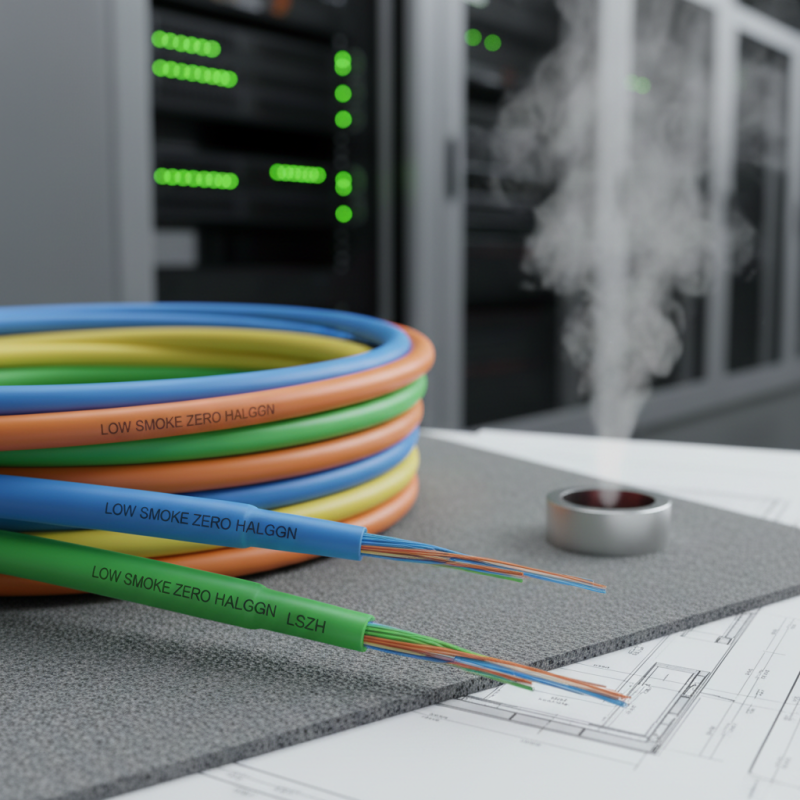
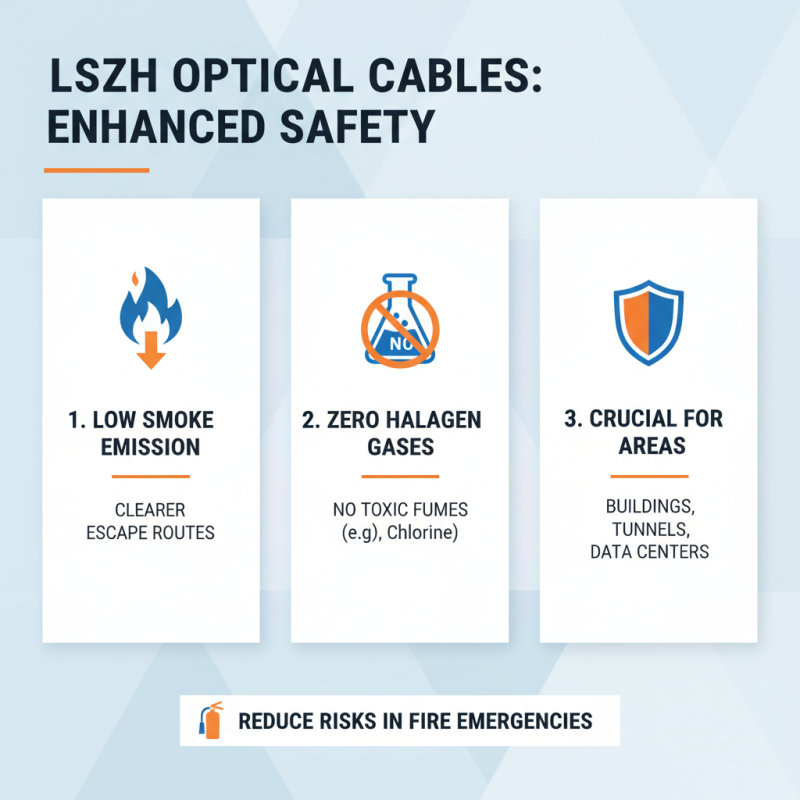
The use of Lszh Optical Cable Material is gaining attention in various industries. This material offers several advantages for fiber optic cables. Lszh stands for Low Smoke Zero Halogen. It significantly reduces toxic emissions during fires. This is crucial for safety in buildings.
Many organizations prioritize safety in their network installations. Lszh materials help meet strict safety regulations. They are preferred in confined spaces like tunnels and aircraft. The demand for Lszh Optical Cable Material has risen.
While its benefits are clear, there are some challenges. The cost can be higher compared to other materials. Some may question its durability under extreme conditions. Understanding these aspects is essential for informed decisions. Exploring Lszh Optical Cable Material allows businesses to balance safety and performance.
What is LSZH Optical Cable Material?
LSZH stands for Low Smoke Zero Halogen. This material is used in various optical cables. LSZH cables produce minimal smoke and no halogen gas when exposed to fire. This feature significantly enhances safety in enclosed spaces. Many reports highlight that LSZH cables are crucial for urban infrastructure. For instance, according to a report by Mordor Intelligence, the demand for LSZH cables is growing at a rate of 6.3% annually.
Using LSZH materials reduces toxic emissions during a fire. Regular cables can emit harmful gases that compromise air quality. In contrast, LSZH cables help maintain a safer environment. They are ideal for data centers, airports, and tunnels. These locations require high safety standards due to high foot traffic. Interestingly, a study by Research and Markets showed an increase in LSZH cable installations in North America, driven by stringent safety regulations.
However, not all LSZH products are created equal. Some manufacturers might cut corners on material quality. This can lead to lower performance and shorter lifespans. Proper testing and certification are essential before installation. Users must remain vigilant about the origin and specifications of LSZH cables. Awareness can lead to safer and more efficient installations.
What is Lszh Optical Cable Material and Its Benefits?
| Property |
Description |
| Material Composition |
Low Smoke Zero Halogen (LSZH) compounds, primarily containing polyethylene and other polymer materials. |
| Fire Safety |
Produces minimal smoke and no halogen when burned, reducing toxic fumes and improving safety during fires. |
| Environmental Impact |
More environmentally friendly compared to traditional PVC cables, as it does not release harmful substances. |
| Durability |
Resistant to abrasion, surface damage, and degradation, providing longer life expectancy in challenging environments. |
| Application Areas |
Ideal for indoor installations, especially in public places like schools, hospitals, and shopping centers. |
Key Characteristics of LSZH Materials in Optical Cables
LSZH (Low Smoke Zero Halogen) materials are gaining attention in optical cable construction. These materials are known for their specific characteristics. They emit minimal smoke and no halogen gases when burned. This is crucial for safety in enclosed areas. Emergency situations can arise from cable fires, and LSZH cables significantly reduce risks.
In terms of physical properties, LSZH materials are durable yet flexible. They withstand environmental stress while maintaining performance. Their low toxicity enhances indoor air quality. However, these materials may have lower thermal stability compared to traditional options. Also, installation can be tricky due to their stiffness in cold weather.
Ultimately, the use of LSZH materials offers a balance of safety and effectiveness. While their advantages are clear, users should be mindful of their limitations. As technology advances, further improvements in LSZH materials could enhance their performance and usability in a variety of settings.
Comparative Advantages of LSZH vs. Traditional Cable Materials
LSZH stands for Low Smoke Zero Halogen. It describes a type of cable material known for its safety features. When compared to traditional cable materials, LSZH offers significant advantages, especially in enclosed spaces. It emits minimal smoke and no halogen gases when burned. This aspect is crucial for reducing toxicity in fires.
Traditional cables, often made from PVC, produce dense smoke and harmful gases. These can pose severe risks during evacuations. LSZH cables provide clearer visibility in emergencies, allowing for safer escape routes. The low smoke output helps in keeping air quality intact in critical moments.
Furthermore, LSZH materials are often more resistant to fire. This trait enhances durability and longevity. However, not all installations may prefer LSZH. Some might question its affordability versus traditional alternatives. This reflection invites further thought on cost versus safety benefits. Emphasizing the need for better choices can lead to improved overall outcomes in various environments.
Environmental Impact and Safety Benefits of Using LSZH Cables
LSZH (Low Smoke Zero Halogen) cables are increasingly gaining attention due to their environmental benefits. Unlike traditional cables, LSZH materials do not release harmful halogen gases when they burn. This characteristic significantly reduces toxic smoke production during fires, which can otherwise lead to serious health risks and environmental damage. According to a 2020 report by the International Electrotechnical Commission (IEC), LSZH cables can reduce smoke toxicity by up to 80% compared to standard PVC cables.
The safety benefits of using LSZH cables extend beyond fire scenarios. In confined spaces like tunnels and aircraft, where ventilation may be limited, the low smoke emission of LSZH cables is crucial. Furthermore, the reduction of toxic substances helps in adhering to stringent environmental regulations. Many countries have implemented standards that favor or even mandate the use of LSZH materials in public infrastructure projects.
However, the adoption of LSZH cables is not without challenges. While they offer better safety features, the cost of LSZH materials can be higher than that of traditional cables. This might deter some companies from switching to LSZH options. Additionally, the industry still faces a lack of widespread awareness about the benefits of low smoke zero halogen cables. Despite these obstacles, the long-term advantages for both health and the environment make LSZH cables a compelling choice for modern electrical installations.
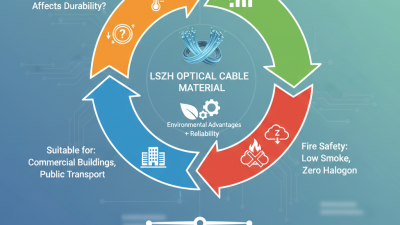
Benefits of LSZH Optical Cable Material
Industry Applications: Where LSZH Optical Cables Excel
LSZH optical cables are becoming increasingly important in various industries. These cables are made from low-smoke zero-halogen materials. When exposed to fire, they emit minimal smoke and toxic gases. This quality is vital in confined spaces, such as tunnels and high-rise buildings.
In the telecommunications sector, LSZH cables excel in environments where safety is crucial. Research from industry sources indicates a 25% increase in demand for LSZH cables in data centers due to their fire safety advantages. Moreover, the cables are often used in railway systems and airports. Safety protocols require materials that do not produce harmful emissions. LSZH cables fit this need perfectly.
The automotive industry is also adopting LSZH technology. With electric vehicles on the rise, these cables help manage electronic components safely. However, the adoption rate varies. Some manufacturers still hesitate, focusing on cost over safety. Industry experts suggest that this mindset needs a shift. The long-term benefits of using LSZH components far outweigh initial costs.