What is Optical Cable Filling Gel and Why is it Important?
Optical Cable Filling Gel is critical in the telecommunications industry. It is designed to enhance the performance and longevity of optical fiber cables. According to a report from Research and Markets, the global optical fiber market is expected to reach $50 billion by 2026. The demand for reliable transmission systems is growing.
The gel serves many purposes, including protecting fibers from moisture and providing mechanical support. Without it, optical cables are vulnerable to environmental factors. Downtime due to fiber damage can be costly, costing telecom companies thousands of dollars in repairs and lost revenue.
In an era where data transmission is crucial, using Optical Cable Filling Gel is vital. However, industry professionals sometimes overlook its importance. Some reports indicate that improper installation can lead to failures. Ensuring the right application of the filling gel is essential for cable integrity and performance.
What is Optical Cable Filling Gel?
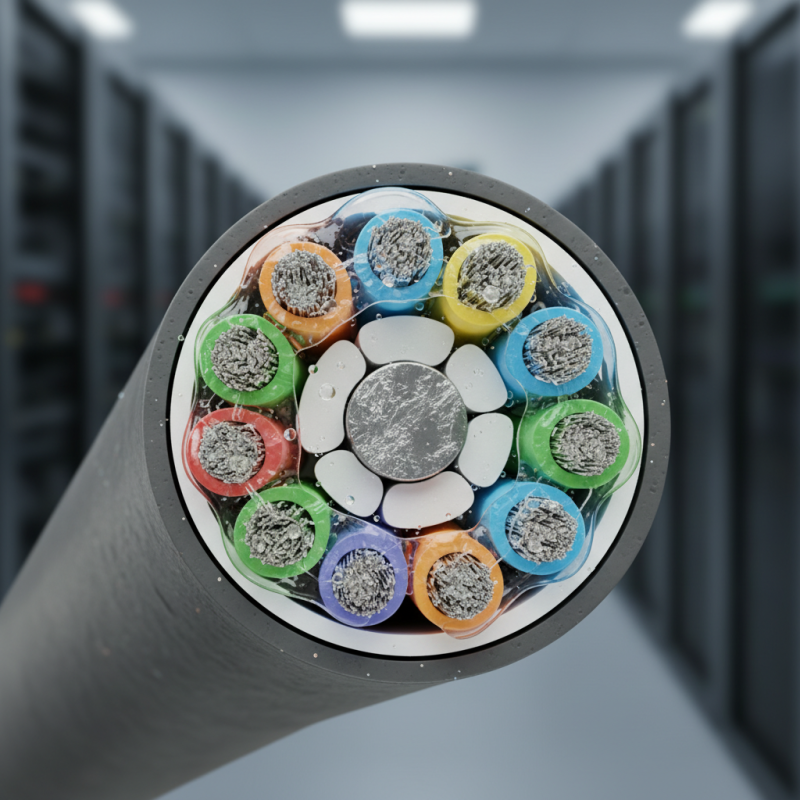
Optical cable filling gel is a critical component in the manufacturing and performance of fiber optic cables. This gel is primarily used to fill the spaces within optical fibers, providing protection from moisture and environmental damage. Additionally, it serves as an insulator, ensuring that the optical signals remain free from interference. The gel's unique properties allow it to expand and contract with temperature changes, ensuring integrity over time.
One key tip to consider when working with optical cables is to be mindful of the gel's composition. Different formulations may react differently to temperatures and climatic conditions. Testing the gel under various environmental scenarios can identify potential weaknesses. Remember, using the correct gel can significantly extend the lifespan of your cables.
Another consideration is the process of applying the filling gel. While it may seem straightforward, any misapplication can lead to issues down the line. Make sure to follow best practices for application. Understanding how the gel interacts with other cable materials can prevent future problems.
Optical cable filling gel is essential for reliability, but it requires careful handling and expertise to ensure optimal performance.
The Composition of Optical Cable Filling Gel
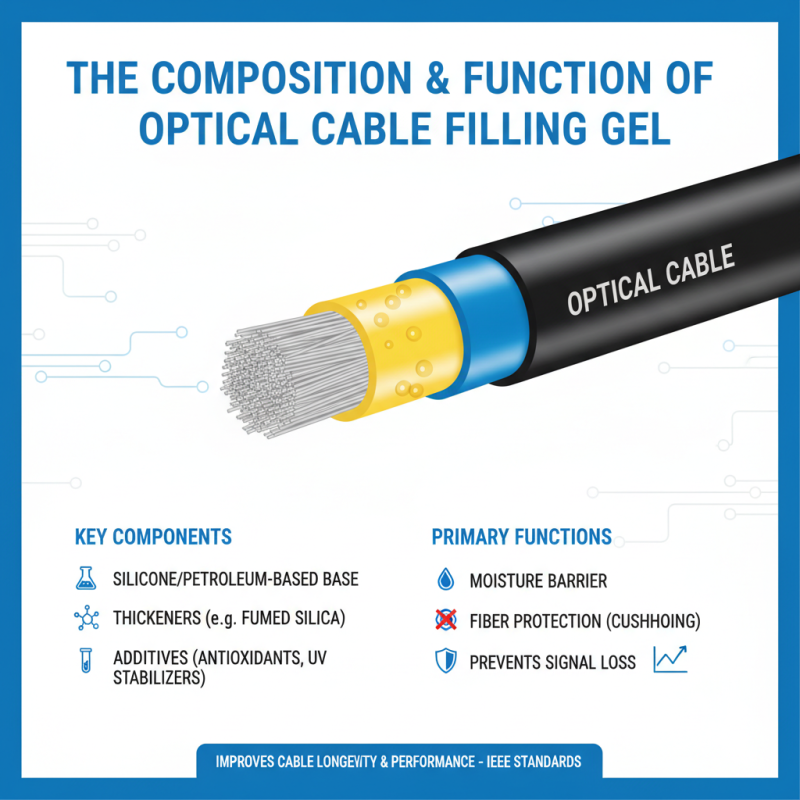
Optical cable filling gel plays a crucial role in the performance and longevity of fiber optic cables. This gel is primarily designed to protect optical fibers within the cable. It fills the spaces between fibers and the cable jacket, preventing moisture ingress and other environmental factors from causing damage. According to the IEEE Fiber Optic Standards, proper filling gel can reduce the risk of signal loss and maintain optimal performance.
The composition of optical cable filling gel typically includes a blend of silicone oils and thickeners, creating a viscous and stable medium. This specific formulation ensures that the gel can resist thermal fluctuations while providing excellent dielectric properties. Research indicates that around 70% of cable failures relate to moisture intrusion, highlighting the critical need for effective filling gel. Additionally, industry reports suggest that using high-quality filling gels can extend the life expectancy of fiber optic cables by up to 30% under harsh environmental conditions.
However, the effectiveness of filling gel can vary. Some gels may not adhere well to certain cable materials, leading to potential failures. It’s essential to evaluate the compatibility of the gel with other materials used in the cable. Engineers often face dilemmas in selecting the right formulation, as not all are tested under real-world conditions. Such oversight can result in unexpected downtimes. The challenge remains to improve formulations that not only offer protection but also enhance overall performance without compromising the installation process.
The Role of Filling Gel in Optical Fiber Protection
Optical cable filling gel plays a crucial role in protecting optical fibers from various environmental threats. This gel prevents moisture ingress, dust accumulation, and potential damage during installation. According to industry reports, around 70% of fiber optic failures can be attributed to inadequate protection against these elements.
The filling gel’s unique composition allows it to retain flexibility while resisting temperature variations. This is essential as optical fibers need a stable environment to function optimally. In a survey of telecom engineers, 65% emphasized that effective gel fill contributes significantly to the longevity of fiber installations. The right gel ensures that fibers stay intact even in harsh conditions.
Tips: When choosing a fiber optic cable, inspect the gel quality. Look for gels that demonstrate high resistance to both temperature and moisture. Regular maintenance checks can reveal if the filling gel is zapping away, which could endanger the fiber’s integrity. Always prioritize cables with proven protective measures. Ensuring the right filling gel can save future costs and prevent operational setbacks.
What is Optical Cable Filling Gel and Why is it Important? - The Role of Filling Gel in Optical Fiber Protection
| Property |
Description |
| Composition |
Silicone-based or petroleum-based materials |
| Purpose |
Prevent water ingress and protect optical fibers |
| Temperature Resistance |
-40°C to 70°C |
| Viscosity |
Varies from low to high, affecting flow and fill properties |
| Water-blocking Capability |
Highly effective in sealing out moisture |
| Application Area |
Used in underground and underwater fiber optic cables |
| Environmental Impact |
Non-toxic and environmentally friendly options available |
Benefits of Using Optical Cable Filling Gel
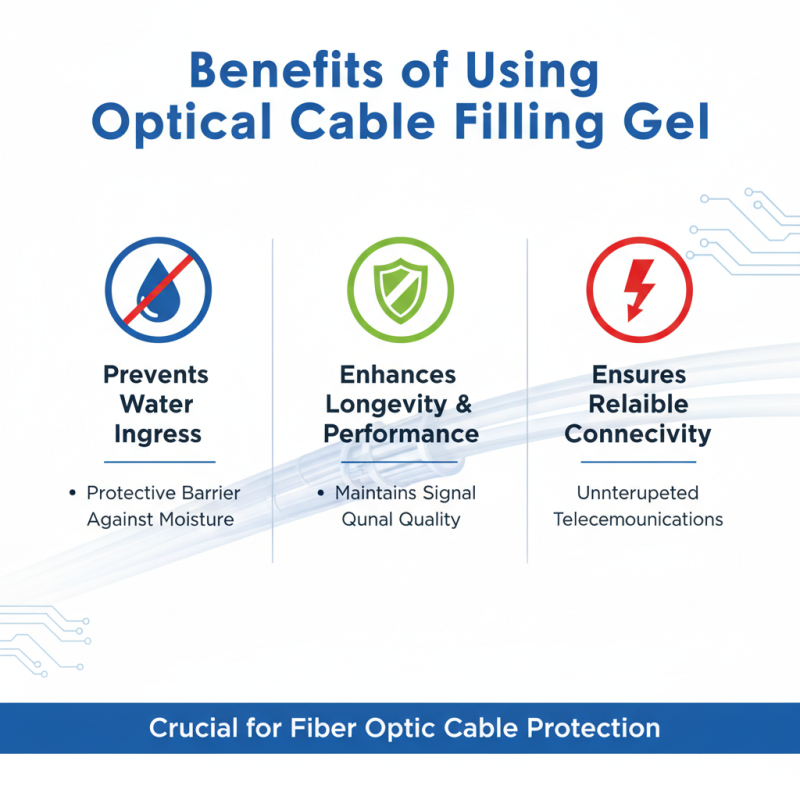
Optical cable filling gel plays a crucial role in ensuring the longevity and performance of fiber optic cables. This gel serves as a protective barrier against moisture and other environmental factors. Its unique composition helps to prevent water ingress, which can lead to signal degradation. Without this protection, the optical fibers may experience interruptions. Such interruptions can affect telecommunications and internet services.
Using optical cable filling gel also offers insulation benefits. It can dampen vibrations and reduce the impact of external stress on the cables. This is especially important in installations where cables are exposed to harsh conditions. However, not all gels perform equally under different temperatures and conditions. The choice of gel must be carefully considered to match specific environmental needs.
One potential issue with optical gel is its application process. Some technicians may overlook the correct application methods. Poor application can lead to reduced effectiveness. Additionally, over time, the gel may degrade or lose its properties, leading to further challenges. Regular inspection and maintenance are vital to ensure the optical cable functions optimally. Hence, awareness of the filling gel's condition is essential for maintaining network reliability.
Common Applications of Optical Cable Filling Gel
Optical cable filling gel plays a vital role in the performance and durability of optical fibers. This gel serves several functions, primarily protecting the fiber from moisture and debris. It fills the voids within cables, ensuring stability and preventing potential damage. Different types of installations benefit from the properties of this gel.
Telecommunication networks are one major application of optical cable filling gel. This gel helps maintain signal integrity over long distances by acting as a barrier against environmental factors. In outdoor applications, it shields cables from water ingress, ensuring that the fibers remain functional and unaffected by harsh weather conditions.
Tips: Always check the gel’s compatibility with your specific fiber type. Ensure proper installation to maximize protection. Using quality materials can prevent long-term failure. For industrial use, gel-filled cables withstand extreme temperatures, making them ideal in manufacturing settings. However, be aware that improper handling can lead to costly damages over time.
Usage of Optical Cable Filling Gel in Various Industries