In the rapidly evolving landscape of networking technology, the role of Optical Fiber Filling Gel has become increasingly significant. As experts continue to explore its applications and advantages, we are reminded of the insightful words of Dr. Emily Carter, a leading specialist in optical communications: "The utilization of Optical Fiber Filling Gel not only enhances the performance of fiber optic cables but also ensures their longevity and reliability in diverse environments."
This innovative gel serves multiple functions, from moisture resistance to physical protection, making it a critical component in modern networking setups. The versatility of Optical Fiber Filling Gel has led to its widespread adoption across various industries, driven by the need for more dependable and efficient communication systems. As we delve into the top ten uses and benefits of this remarkable material, we will uncover how it contributes to the overall success of networking applications, transforming the way data is transmitted and handled.
Ultimately, understanding the significance of Optical Fiber Filling Gel will provide valuable insights for professionals looking to optimize their network infrastructures and embrace the future of connectivity. This exploration not only highlights the material's essential functions but also reinforces its pivotal role in the foundation of contemporary communication technology.
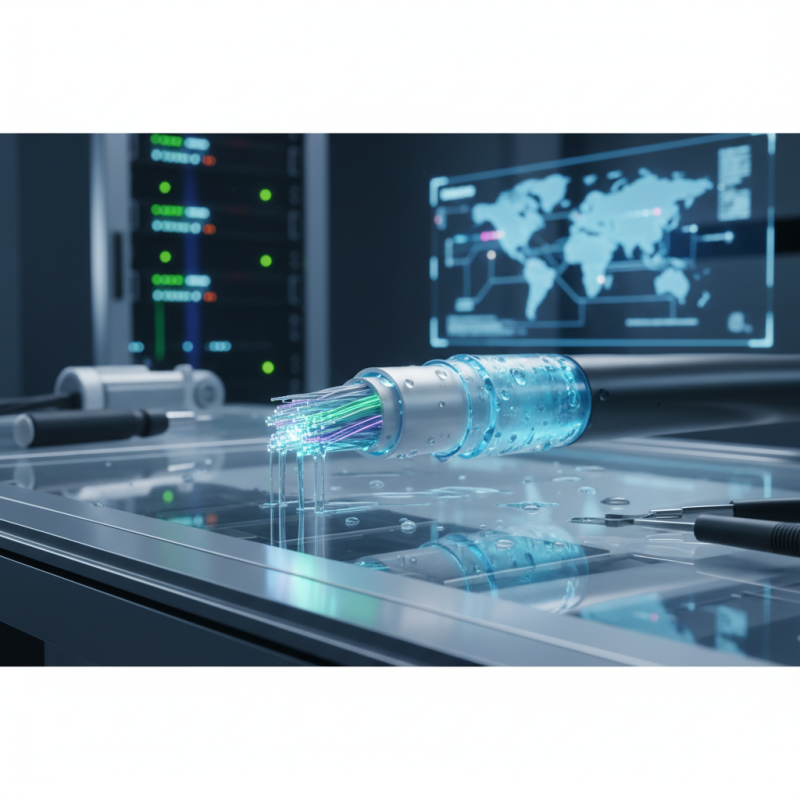
Optical fiber filling gel is a critical component in the construction of fiber optic cables, serving both protective and functional purposes. This gel is primarily composed of a silicone-based polymer that provides excellent thermal stability, flexibility, and moisture resistance. Additionally, it contains additives that enhance its performance, such as ultraviolet (UV) stabilizers, which protect the fiber from sun damage, and flame retardants, ensuring safety during installation and use. The gel's formulation is designed to maintain optical clarity and minimize light loss, which is essential for efficient data transmission across networks.
The application of optical fiber filling gel extends beyond just cable assembly. It plays a significant role in preserving the integrity of the fibers during various environmental conditions. By filling the interstices within the cable, the gel acts as a barrier against water and other pollutants, preventing possible degradation of the fibers. Furthermore, its viscoelastic properties help absorb shocks and vibrations, reducing the risk of damage during fiber installation or in active network environments. Overall, the composition of optical fiber filling gel is tailored to enhance the longevity and performance of networking applications, making it indispensable in the telecommunications industry.

This chart demonstrates the various uses and benefits of optical fiber filling gel, emphasizing its applications in networking. The data categorizes the top ten uses based on their relevance and prevalence in the field.
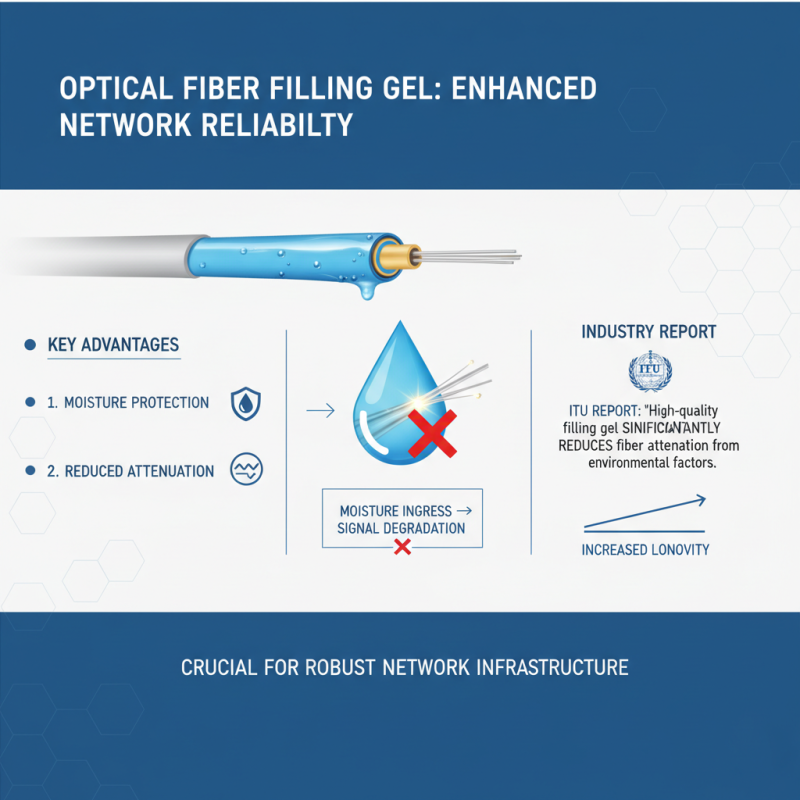
Optical fiber filling gel plays a critical role in enhancing the performance and longevity of network infrastructure. One of the key advantages of using optical fiber filling gel is its ability to provide moisture protection. According to a recent report by the International Telecommunication Union (ITU), fiber optic cables equipped with high-quality filling gel exhibit a significant reduction in the risk of fiber attenuation due to environmental factors. This is crucial, as moisture ingress can lead to signal degradation and ultimately affect network reliability.
Additionally, optical fiber filling gels help in minimizing microbending losses. A study conducted by the Institute of Electrical and Electronics Engineers (IEEE) highlighted that installations utilizing effective filling gels reduce bending-related losses by up to 30%. This is particularly important in densely packed environments where space limitations challenge optimal cable routing. By ensuring that the fibers remain properly aligned and free from pressure points, filling gels greatly enhance the overall performance and longevity of fiber optic cables, making them an essential component in modern networking solutions.
Optical fiber filling gel plays a pivotal role in enhancing the performance and durability of networking applications, particularly in data centers where efficiency and reliability are paramount. This gel is designed to fill the gaps within fiber optic cables, providing protection against moisture and external damage. According to a report by the International Data Corporation (IDC), the demand for effective networking solutions in data centers has surged by over 30% in the past year, highlighting the essential nature of such materials in maintaining optimal network performance.
In data centers, optical fiber filling gel contributes not only to the physical integrity of fiber optic installations but also to the overall thermal management and signal integrity. A study by the Telecommunications Industry Association (TIA) indicates that the right filling materials can reduce signal loss by up to 15%, which is crucial as data volumes continue to rise. Furthermore, the use of filling gels can enhance the pliability and bend radius of cables, facilitating easier installation and maintenance. As data centers adapt to the increasing strains of cloud computing and big data analytics, the role of optical fiber filling gel becomes even more critical, ensuring that networks remain robust and resilient against operational challenges.
Optical fiber filling gel plays a crucial role in enhancing the performance and integrity of signal transmission in networking applications. This specialized gel is designed to fill the space within fiber optic cables, providing essential protective and insulating properties. According to a report by the International Optical Fiber Conference, the use of filling gel can reduce signal loss by up to 30%, thus significantly improving overall transmission efficiency. Moreover, the gel aids in minimizing fiber stress during installation and thermal fluctuations, ensuring consistent data integrity over time.
When selecting the right optical fiber filling gel, it’s important to consider its viscosity and thermal properties. A gel with appropriate viscosity can ensure ease of installation while providing effective moisture protection, crucial in environments prone to humidity and temperature changes. Additionally, maintaining the right temperature range can help in preserving the gel’s performance, which is vital for sustaining signal quality in high-stakes networking environments.
**Tips**: Keep an eye on industry standards and certifications when choosing optical fiber filling gels to ensure compliance and performance reliability. Regular maintenance checks can also help in identifying any potential issues with fiber integrity due to environmental factors. Adjusting installation techniques based on the specific gel properties can further enhance performance outcomes, ultimately leading to a more efficient and reliable networking setup.
When it comes to the use of optical fiber filling gel in networking applications, safety and environmental considerations are paramount. Optical fiber filling gels are typically designed to provide mechanical stability and protection for fiber optic cables. However, their composition often includes various chemical agents that must be handled with care. Manufacturers should adhere to strict safety protocols to mitigate risks associated with potential exposure, including ensuring proper use of personal protective equipment (PPE) during installation and maintenance. Moreover, it is crucial to follow guidelines for disposal to prevent environmental contamination.
The environmental impact of optical fiber filling gel can be significant, particularly if these materials are not disposed of properly. Many gels are derived from petroleum-based products, which can pose risks if released into the environment. Therefore, it is important to consider biodegradable options or those with lower environmental footprints. Additionally, manufacturers are increasingly required to provide transparent information regarding the chemical composition and environmental implications of their products, allowing consumers to make informed decisions. By prioritizing safety and sustainability, the industry can ensure that the benefits of optical fiber filling gels are realized without compromising environmental integrity.
| Use/Benefit | Description | Safety Considerations | Environmental Impact |
|---|---|---|---|
| Moisture Barrier | Prevents moisture ingress which can damage fiber optics. | Non-toxic gel is safe for installers. | Biodegradable options available to minimize environmental impact. |
| Thermal Stability | Helps maintain optimal temperature within fiber cables. | Flame retardant properties enhance safety. | Limited release of harmful emissions under high heat. |
| Protection Against Mechanical Stress | Absorbs shocks and vibrations to protect fibers. | Safe to handle and apply without special training. | Minimal ecological footprint if disposed of properly. |
| Improved Network Performance | Reduces signal attenuation due to better environmental control. | Safe chemical composition, no toxic vapors. | Supports sustainability through efficient resource use. |
| Cost-Effectiveness | Reduces maintenance costs by prolonging fiber life. | Low risk of skin irritation; easy clean-up. | Eco-friendly disposal options available. |
| Compatibility with Various Fiber Types | Works with both single-mode and multi-mode fibers. | No adverse reactions with common materials. | Promotes the use of recyclable materials in packaging. |
| Ease of Application | Quick and easy to apply during installation. | Non-harmful dispensing methods available. | No harmful waste generated during application. |
| Flexibility | Accommodates bends and vibrations in network installations. | Free from harsh chemicals that can pose risks. | Supports green initiatives by minimizing waste. |
| Long-Term Performance | Maintains integrity over extended periods, ensuring reliability. | Resistant to degradation from UV exposure. | Life cycle assessments show reduced impact. |
| Versatile Applications | Suitable for various networking scenarios including data centers and outdoor installations. | Complies with safety standards for installation environments. | Encourages responsible consumption practices. |