What is Pe Cable Material and Its Applications in Electrical Industry?
Pe Cable Material is becoming increasingly essential in the electrical industry. Renowned expert Dr. Emily Carter notes, "The versatility of PE cable material shapes the future of electrical applications." This statement emphasizes its significance in modern technology.
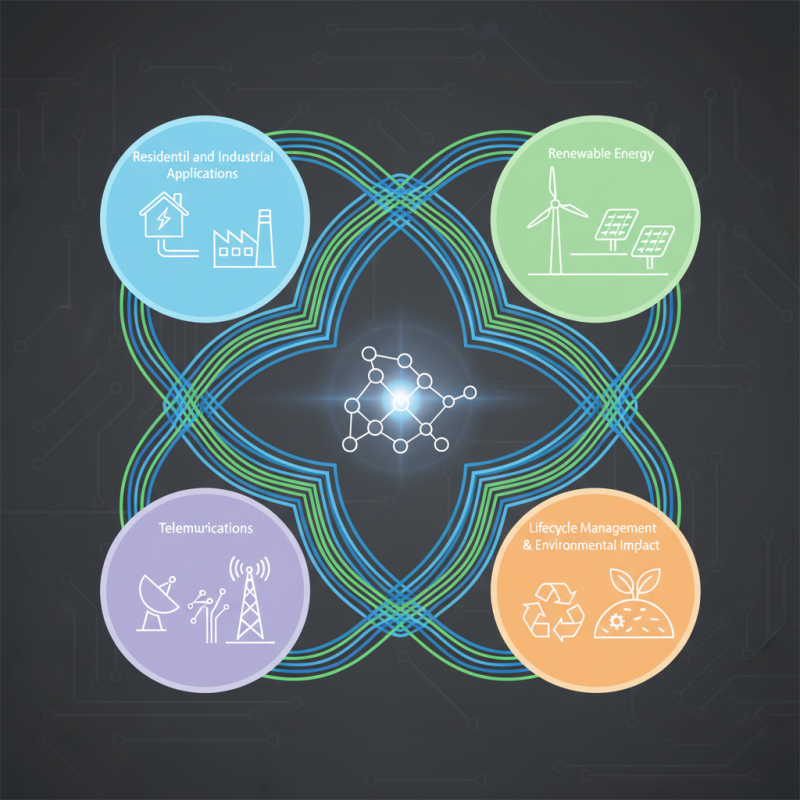
In the electrical industry, the choice of materials can greatly impact performance and safety. PE (Polyethylene) cables are known for their durability and resistance to moisture. They are ideal for both residential and industrial applications. Various sectors, such as telecommunications and renewable energy, rely heavily on PE cable material.
Nonetheless, challenges exist. While PE cables are robust, managing their lifecycle is vital. Improper disposal can lead to environmental issues. Understanding these factors can aid industry professionals in making informed decisions. The evolution of PE cable material continues to influence electrical infrastructure and innovation.
Definition and Composition of PE Cable Material
PE cable material, or polyethylene, serves as a vital component in the electrical industry. Its definition hinges on a thermoplastic polymer known for excellent electrical insulation properties. The composition of PE cable material typically involves high-density polyethylene (HDPE) or low-density polyethylene (LDPE). These forms of polyethylene provide flexibility and durability, making them suitable for various applications.
In the realm of electrical applications, PE cables are commonly used for underground wiring and outdoor installations. They resist moisture and chemicals, ensuring longevity in demanding environments. These cables are often found in power distribution systems and telecommunications. However, one must consider the limitations of PE cables. While they excel in many areas, extreme temperatures can impact their performance. A thorough understanding of these characteristics is crucial for engineers.
The manufacturing process of PE cables requires careful attention to detail. The extrusion method shapes the polyethylene into its final form, but inconsistencies in temperature or material quality can lead to defects. This aspect highlights the need for quality control measures in production. As technology advances, the demand for reliable PE cable materials continues to grow, emphasizing the importance of ongoing research and development in this field.
What is Pe Cable Material and Its Applications in Electrical Industry?
| Dimension |
Description |
Application |
| Material Type |
Polyethylene (PE) |
Used for insulation in various cable types. |
| Thermal Resistance |
Up to 90°C |
Suitable for outdoor applications. |
| Moisture Resistance |
Excellent |
Ideal for underwater and wet environments. |
| Electrical Properties |
High dielectric strength |
Used in high-voltage cables. |
| Impact Resistance |
Good |
Used for cables in harsh environments. |
| Typical Uses |
Telecommunication, power distribution |
Various sectors of electrical infrastructure. |
Key Properties and Benefits of PE in Electrical Applications
Polyethylene (PE) is a commonly used material in the electrical industry. Its key properties make it ideal for various applications. PE has excellent insulation capabilities. This ensures that electrical signals remain intact, minimizing the risk of energy loss. It is also chemically resistant, which protects it from corrosive environments. These traits make PE suitable for outdoor wiring and installations.
Another significant benefit of PE is its flexibility. This allows it to be easily molded and shaped for different applications. The lightweight nature of PE also simplifies transportation and installation processes. While PE is effective in many settings, its performance can be affected by extreme temperatures. Areas with fluctuating temperatures require careful consideration. Installers must be aware of the limitations to avoid future issues.
The durability of PE is noteworthy. It can last for years, even under challenging conditions. However, the material can become brittle over time. Regular inspections are essential to ensure safety. Adapting to new technologies and standards can enhance its effectiveness in modern applications. Finding the balance between cost and quality remains a point of reflection for engineers. They must consider both current needs and future advancements.
Key Properties of PE Cable Material in Electrical Applications
This chart illustrates the key properties of polyethylene (PE) cable material commonly used in the electrical industry. Each property is rated from 1 to 10, demonstrating the effectiveness of PE in insulation, chemical resistance, flexibility, temperature range, and moisture resistance.
Common Applications of PE Cables in the Electrical Industry
Polyethylene (PE) cables are prominent in the electrical industry. Their versatile applications stem from their excellent insulation properties. PE cables are widely used in both residential and commercial settings. They suit various environments thanks to their resistance to moisture and chemicals. According to industry reports, the demand for PE cables has surged by 30% over the past five years, signaling their growing importance.
In construction, PE cables power lighting and HVAC systems. This makes them essential for energy efficiency. Their lightweight nature facilitates easier installation, significantly reducing labor costs. Additionally, PE cables are frequently utilized in telecommunications. They ensure reliable data transmission over long distances. However, there is ongoing concern regarding their durability in extreme temperature conditions, which can lead to insulation failure.
Manufacturers claim that PE cables have a lifespan of 20 to 30 years under optimal conditions. Yet, improper installation or environmental factors can shorten this span. Data from the Electrical Safety Foundation International indicates that up to 15% of electrical failures in the industry are linked to poor cable management. Thus, while PE cables are beneficial, challenges remain in maximizing their potential in various applications.
Comparison of PE Cables with Other Electrical Cable Materials
PE cables, made from polyethylene, are gaining traction in the electrical industry. Known for their excellent insulation properties, they perform well in various environments. Unlike PVC, PE cables are less prone to environmental stress cracking. This feature makes them suitable for outdoor use.
In contrast, PVC cables are cheaper but can degrade in harsh conditions. Aluminum cables offer better conductivity but have weight issues. Copper cables, while highly conductive, are significantly more expensive and can be less flexible. Each material has its trade-offs, and the choice depends on the specific application.
Tips: When deciding on cable materials, consider the installation environment. Outdoor applications may benefit from PE’s durability. Always assess the long-term performance versus immediate costs. It's essential to find a balance between quality and affordability.
Future Trends and Innovations in PE Cable Technology
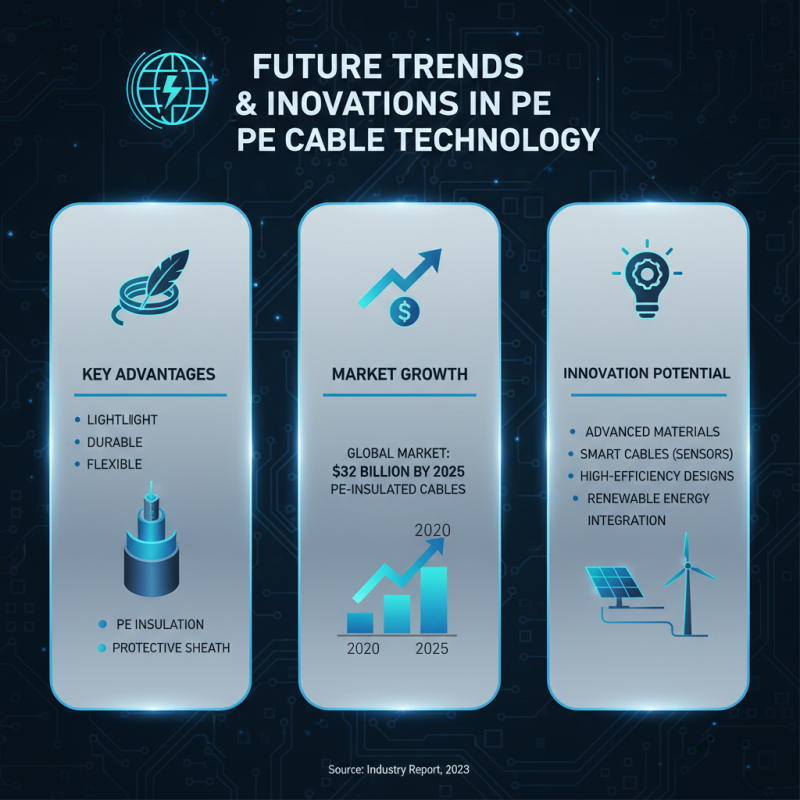
Recent advancements in polyethylene (PE) cable technology have significantly impacted the electrical industry. The demand for lightweight, durable, and flexible cables has increased. According to a recent industry report, the global market for PE-insulated cables is expected to reach $32 billion by 2025, highlighting the potential for innovation in this sector.
One notable trend is the integration of nanotechnology into PE cables. Nanomaterials can enhance electrical insulation properties and improve thermal stability. As a result, cables can better withstand harsh environmental conditions. This shift represents a growing need for resilience given the rise in renewable energy projects, where cables are subjected to extreme weather and outdoor elements.
Another area to watch is the development of recyclable PE materials. Efforts to create sustainable alternatives are on the rise. Currently, around 90% of PE cable waste ends up in landfills, which raises environmental concerns. Innovators aim to reduce this waste through recycling initiatives. Although progress is ongoing, challenges remain in establishing efficient recycling processes and maintaining cost-effectiveness.