How to Phosphate Steel Wire for Optimal Corrosion Resistance?
Phosphating Steel Wire is a critical process for enhancing corrosion resistance in various industries. Dr. John Smith, an expert in metal coatings, states, “Effective phosphating transforms steel wire into a robust material against corrosion.” This transformation is essential, especially in environments prone to oxidation.
The phosphating process involves applying a chemical conversion coating. This layer improves adhesion for subsequent coatings. However, achieving optimal results can be challenging. Factors like temperature and solution concentration play significant roles. Small variations can lead to inconsistent quality.
While many manufacturers aim for high efficiency, some overlook crucial details. For instance, inadequate surface preparation can compromise the phosphating effectiveness. It’s important to assess methodologies continuously. Embracing these reflections can lead to innovative solutions in phosphating steel wire for better performance.

Understanding Phosphating: The Basics of the Process
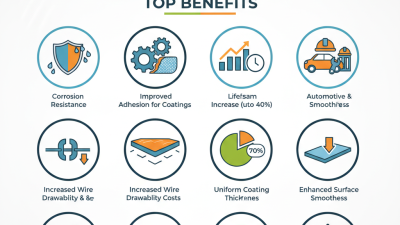
Phosphating is a critical process for enhancing the corrosion resistance of steel wire. It involves creating a protective layer of phosphate coatings that adhere firmly to the metal surface. These coatings act as a barrier against environmental factors that can cause rust and degradation. According to industry reports, phosphating can increase the lifespan of steel components significantly, with some studies indicating up to a 90% reduction in corrosion rates.
The process typically includes surface cleaning, phosphoric acid application, and rinsing. Each step is essential for optimal results. For instance, a clean surface ensures better phosphate adhesion. Analyses of phosphated steel have shown that a coating thickness of 5 to 15 microns is ideal. This range strikes a balance between protection and cost-effectiveness. However, achieving uniform coating thickness can be challenging. Many companies face inconsistencies, leading to weaker spots that may corrode.
Moreover, the phosphating process can sometimes produce less desirable outcomes. Factors like temperature and concentration are crucial. If not monitored, they can lead to overly thick or poor-quality coatings. In some instances, a rushed process might overlook necessary cleaning stages, risking the integrity of the final product. Continuous refinement of these parameters is vital for consistent quality in corrosion resistance.
Types of Phosphate Coatings for Steel Wire
Phosphate coatings are essential for enhancing the corrosion resistance of steel wire. Various types of phosphate coatings provide different levels of protection. The most common types include zinc, manganese, and iron phosphates. Each type offers unique benefits and drawbacks.
Zinc phosphate offers excellent corrosion protection and is often used in automotive applications. It forms a dense layer that withstands harsh environments. However, it can sometimes be expensive to apply. Manganese phosphate, on the other hand, is known for promoting lubrication during wire processing. Still, it may not provide as much corrosion resistance as zinc phosphate.
Iron phosphate is used primarily for its affordability. It can also enhance paint adhesion. However, it might require a careful application process to achieve optimal results. Not all processes yield the same level of durability. This inconsistency can be frustrating for those looking for reliable outcomes. Exploring these options can help metallurgists choose the right coating for their specific needs.
Step-by-Step Procedure for Phosphating Steel Wire
Phosphating steel wire is a valuable technique for enhancing corrosion resistance. The process begins with thorough cleaning. Remove any oils, grease, or dirt from the surface. This ensures the phosphate solution adheres correctly. Use a degreaser or acid for effective cleaning. Rinse well to eliminate any residue.
Next, prepare the phosphating solution. The typical solution contains phosphoric acid and other additives. Heat the solution to the recommended temperature for optimal results. Immerse the prepared wire in the solution. The time in the solution can greatly affect the coating thickness. Too short may yield weak protection. Too long can lead to excessive buildup.
After phosphating, rinse the wire again. This step removes any unreacted solution. It's crucial to dry the wire quickly to avoid flash rusting. Inspect the finished product carefully. Some areas may not be coated uniformly. This can happen if the cleaning process was incomplete.
Pay attention to those details. Proper phosphating requires patience and practice. Each batch can bring new challenges. Make adjustments based on previous outcomes. This way, you can ensure consistent quality over time.
Post-Phosphating Treatments for Enhanced Corrosion Resistance
Post-phosphating treatments significantly enhance corrosion resistance in steel wire. The process typically involves oiling or applying rust inhibitors. According to a report by the National Association of Corrosion Engineers, untreated steel can corrode within months. In contrast, steel wire that undergoes phosphating followed by an effective post-treatment can resist corrosion for years.
Applying a protective oil layer is one common method. This creates a barrier against moisture and corrosive elements. Studies indicate that oil-treated wire maintains over 80% of its original strength after ten years. However, the application methods can vary, and not all oils provide the same level of protection. Choosing the right oil is crucial but often overlooked.
Another treatment involves the use of chemical inhibitors. These compounds can further delay rust formation. For instance, phosphating followed by a dip in a chromate solution can increase lifespan significantly. However, environmental regulations around chromate can complicate this option. Many industries face challenges in balancing effectiveness with compliance. It's important to find the right balance to maximize both performance and sustainability.
Evaluating the Effectiveness of Phosphate Coatings on Steel Wire
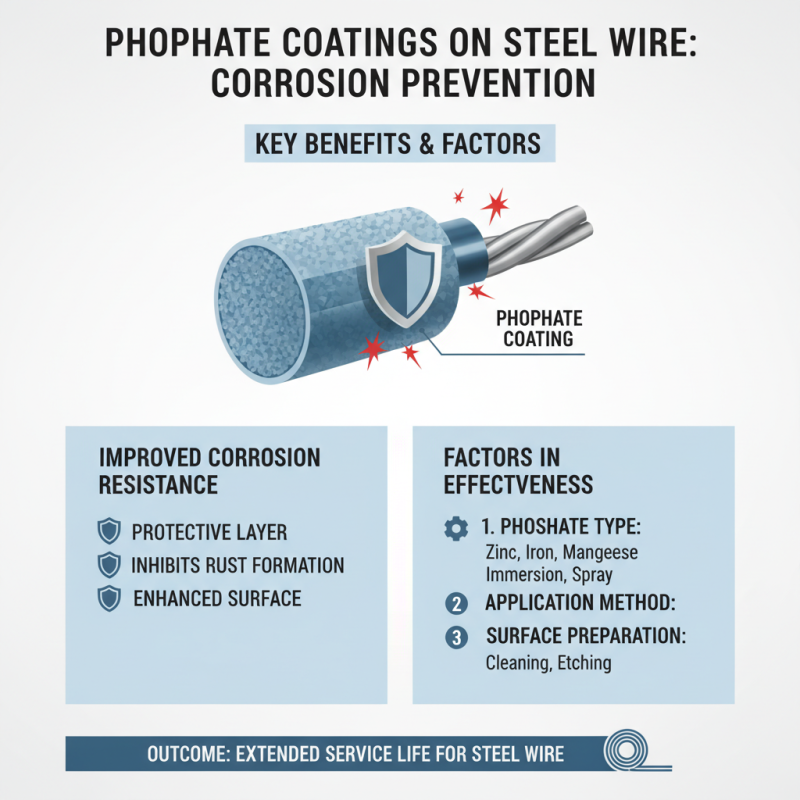
Phosphate coatings are popular for improving the corrosion resistance of steel wire. This process enhances the surface, creating a protective layer that inhibits rust. The effectiveness of these coatings depends on several factors, including the type of phosphate used and the application method. Understanding these aspects can lead to better outcomes in corrosion prevention.
Tips: Always clean the steel wire thoroughly before applying the phosphate. Any dirt or oil can weaken the coating. Additionally, monitor the pH levels of the phosphating solution, as this can greatly affect the quality of the coating. If the solution is off, the coating can be inconsistent.
The phosphate process is not foolproof. Sometimes, coatings may flake or wear away. This can happen due to improper application or environmental conditions. Regular inspection and maintenance are key. It's important to consider these factors during application to ensure longevity. Testing small batches before committing can save time and resources.