What is Pvc Coaxial Cable Material and Its Applications?
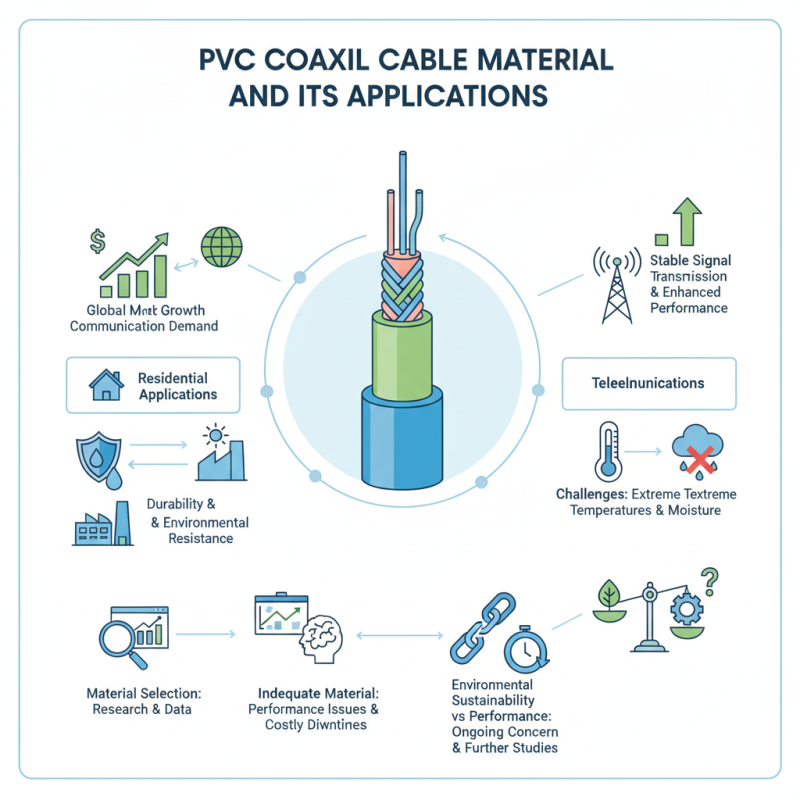
PVC coaxial cable material is crucial in various industries due to its unique properties. The global coaxial cable market was valued at approximately $4.5 billion in 2022, with a notable growth rate of 6.8% expected annually. This growth directly correlates with increasing demand for high-speed communication.
The PVC coating offers significant advantages, including durability and resistance to environmental factors. These qualities make PVC coaxial cables ideal for residential, commercial, and industrial applications. In telecommunications, these cables ensure stable signal transmission, enhancing performance. However, there are challenges. Not all PVC materials are created equal. Some may not withstand extreme temperatures or high levels of moisture.
Companies must be cautious while selecting PVC coaxial cable material. Proper research and data are essential for optimal material choice. Inadequate material could lead to performance issues, resulting in costly downtimes. More studies are needed to evaluate long-term effects on environmental sustainability. Balancing performance with ecological impacts remains a significant concern for the industry.
Overview of PVC Coaxial Cable: Definition and Composition
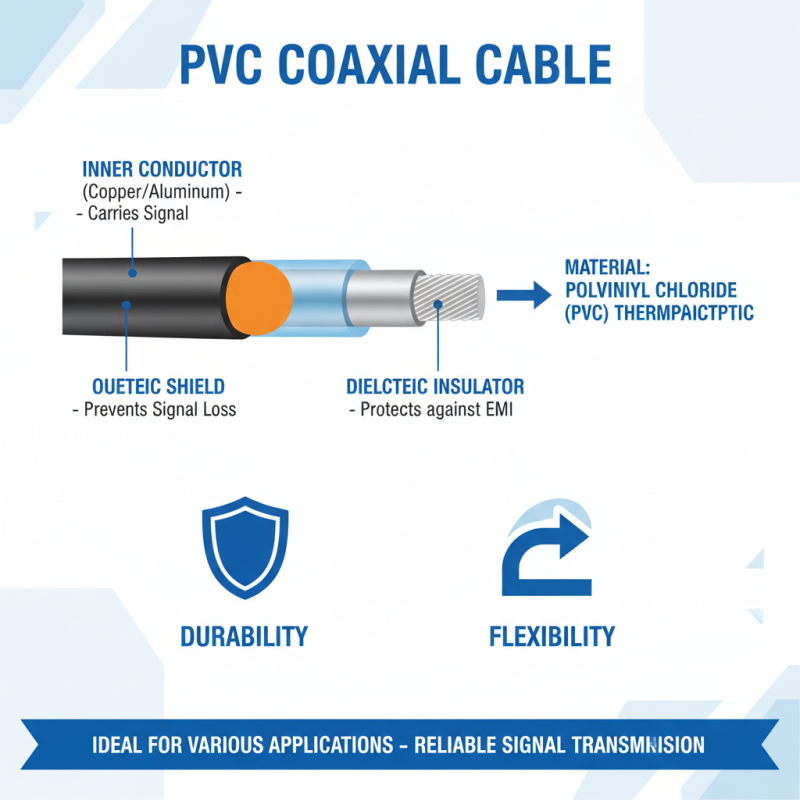
PVC coaxial cable is made from polyvinyl chloride, a popular thermoplastic. This material contributes to the cable’s durability and flexibility. Typically, it consists of three layers: an inner conductor, a dielectric insulator, and an outer shield. The inner conductor, usually copper or aluminum, carries the signal. The dielectric layer insulates and prevents signal loss. The outer shield protects against electromagnetic interference.
Recent industry reports indicate that PVC coaxial cables are widely used in telecommunications. Their ability to transmit data efficiently makes them essential for cable television and internet services. The global PVC coaxial cable market is expected to grow significantly, driven by increasing demand for high-speed broadband connections. This growth underscores the importance of understanding the composition and performance of these cables.
Tips: When selecting PVC coaxial cables, consider the operating frequency and environmental conditions. Ensure compatibility with your devices. Remember, even the best cables can suffer from wear and tear. Regularly check for damaged insulation or connectors. Reliable performance requires periodic maintenance and inspection.
Properties of PVC as a Coaxial Cable Material
PVC, or polyvinyl chloride, is a popular material used in coaxial cables. Its unique properties contribute significantly to the cable's performance. PVC is lightweight and flexible, making installation easier in various environments. It can withstand a range of temperatures, which adds to its durability. However, it can become brittle over time if exposed to harsh conditions. This is a point worth reflecting on for long-term applications.
One of the notable properties of PVC is its resistance to chemicals. This makes it ideal for use in industrial settings where exposure to oils and solvents is common. Yet, while PVC provides good insulation, it may not be suitable for all RF applications. Users must consider the specific needs of their projects. PVC can also limit the cable’s lifespan if not properly maintained, leading to unnecessary replacements. This balance of benefits and drawbacks should always be assessed carefully.
The process of manufacturing PVC coaxial cables is another aspect to consider. It requires precision to ensure that the insulation is consistent throughout. Any imperfections during production can compromise the cable's effectiveness. Taking time to evaluate production quality is crucial for reliable performance. PVC excels in many applications, but it is essential to regularly review its performance over time.
Common Applications of PVC Coaxial Cables in Telecommunications
PVC coaxial cables are crucial in the telecommunications industry. Their design consists of a central conductor, insulation, shielding, and an outer PVC jacket. This structure prevents signal loss during transmission. According to a 2022 market report, the demand for coaxial cables is expected to grow by 6.2% annually. This growth highlights their importance.
Common applications of PVC coaxial cables include television distribution, internet connections, and security systems. They are favored for their durability and flexibility. The cables can withstand various environmental conditions. In cities, you’ll often find these cables running alongside buildings, providing essential connectivity. However, the performance can sometimes be hindered by external factors like interference and physical damage.
Despite their advantages, there are challenges. For instance, improper installation can lead to signal degradation. Additionally, not all PVC materials are created equal. Low-quality PVC can suffer from rapid deterioration and may not meet industry standards. It's vital for professionals to choose the right materials for specific applications to avoid costly mistakes.
Advantages and Disadvantages of Using PVC Coaxial Cables
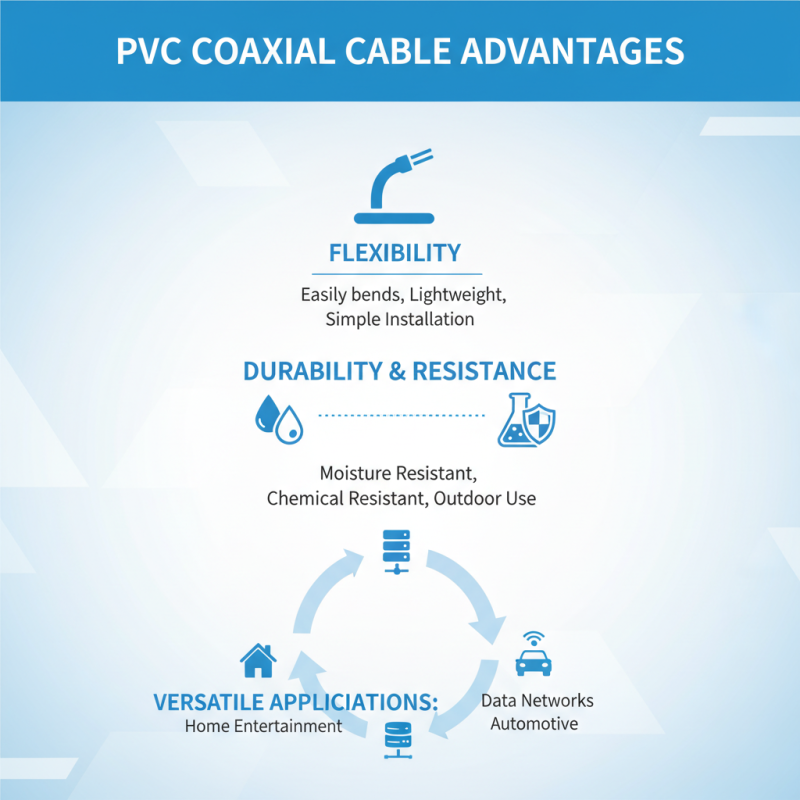
PVC coaxial cables are popular in various applications due to their unique characteristics. One of the primary advantages is flexibility. These cables are lightweight, making installation easier in tight spaces. Their resistance to moisture and certain chemicals enhances their durability, which is crucial for outdoor use.
However, there are disadvantages too. PVC material can become brittle over time. Extreme temperatures may affect its performance. Users must consider these factors to avoid future issues.
Tip: When choosing PVC coaxial cables, assess the operating environment. Avoid exposing them to harsh weather for extended periods. A simple inspection routine can help maintain their integrity.
Another point to ponder is signal loss. PVC does well, but it's not perfect. Performance might degrade in lengthy runs. Evaluating cable length against performance needs is vital.
Tip: Always test cables after installation. This ensures they meet the required standards. You can save time by catching issues early.
Installation and Maintenance Considerations for PVC Coaxial Cables
When installing PVC coaxial cables, proper preparation is crucial. Ensure the installation area is free from debris. Clean surficial dirt on walls or conduits for optimal adhesion. Remember, a messy workspace can lead to unexpected complications later.
Tip: Use cable ties to organize and secure your cables during installation. This will prevent tangling and potential damage.
While PVC cables are durable, they need careful handling. Avoid sharp bends that could compromise the outer casing. Monitor surrounding temperatures; extreme heat can degrade the material. Over time, outdoor installations may also face UV exposure issues.
Tip: Regularly check for signs of wear. Early detection can save you time and money.
Maintaining PVC coaxial cables consists of routine inspections. Look for cracks, cuts, or frays in the casing. Even small damage can lead to performance loss. Have replacement segments on hand to ensure swift repairs.