Why Choose PVC Coaxial Cable Material for Your Projects?
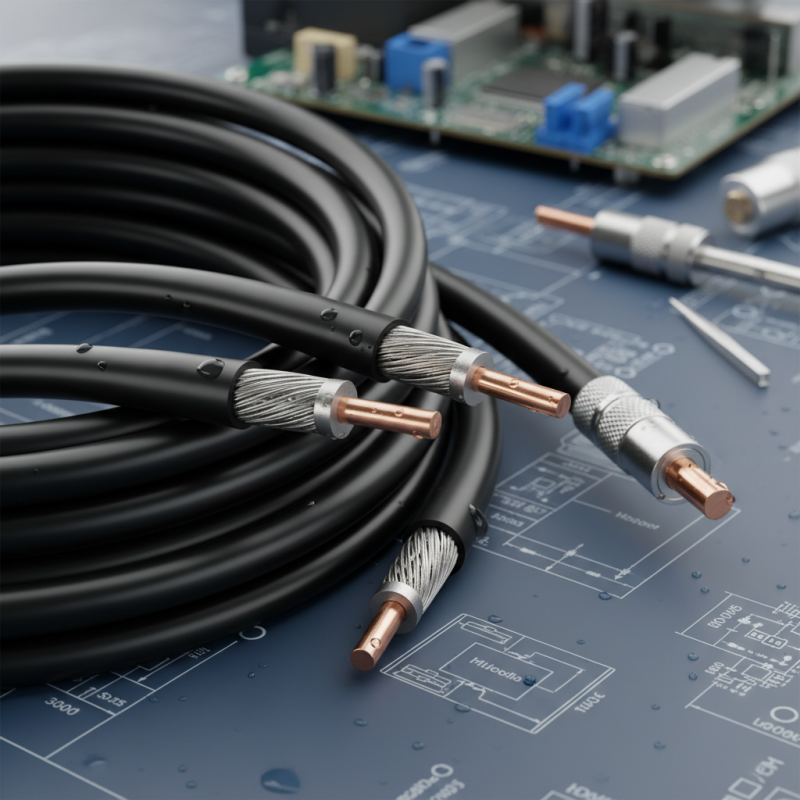
Choosing the right materials for your projects can impact performance and efficiency. PVC coaxial cable material stands out in this regard. It is a versatile option, widely used in various applications, from telecommunications to multimedia systems.
The unique properties of PVC coaxial cable material enhance durability and flexibility. Its resistance to environmental factors makes it reliable for both indoor and outdoor use. Many professionals recommend PVC for its cost-effectiveness and lasting performance. However, careful consideration of specific project needs is necessary.
Some might overlook alternatives, believing they offer similar benefits. Yet, PVC coaxial cable material provides unique advantages in terms of signal integrity and ease of installation. Users should analyze their requirements thoroughly before making a decision. Investing time in exploring these options can yield significant long-term benefits.
What is PVC Coaxial Cable and Its Key Characteristics?
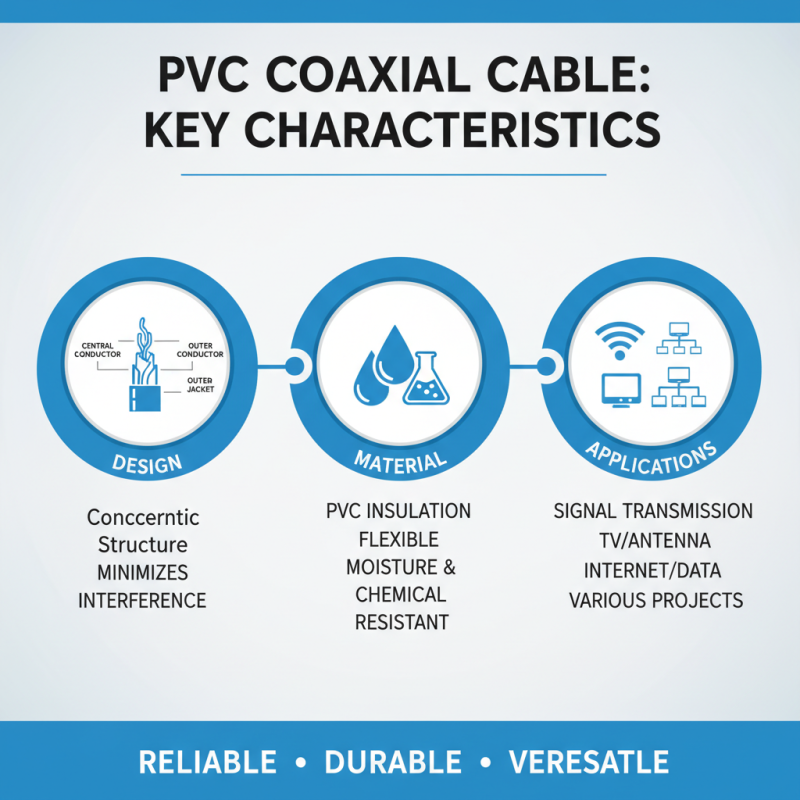
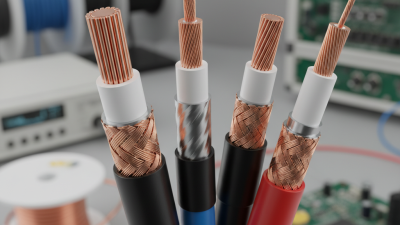
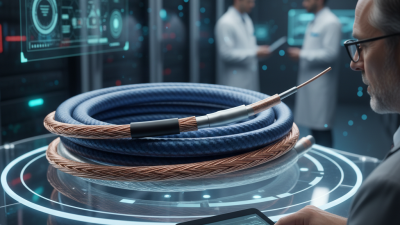
PVC coaxial cables are popular in various projects due to their unique properties. The term "coaxial" refers to the cable's design, where one conductor is surrounded by an insulating layer and an outer conductor. This structure minimizes interference, making them ideal for transmitting signals. The combination of PVC as an insulating material enhances flexibility and resistance to moisture and chemicals.
One key characteristic of PVC coaxial cables is their durability. They withstand harsh environments while maintaining signal integrity. They are also lightweight, which makes installation easier. However, it's essential to consider the application carefully. Not every project may benefit from PVC; sometimes, other materials might be more suitable.
Tips: Always assess your project's specific needs before choosing coaxial cables. Check the cable's specifications to ensure they meet your requirements. Consider environmental factors that could affect performance. Understanding these elements is crucial for long-term success. It may be worthwhile to consult a professional for the best outcomes.
Advantages of Using PVC Materials in Coaxial Cable Construction
PVC coaxial cable offers numerous advantages, making it an excellent choice for various projects. One of its primary benefits is durability. PVC is resistant to moisture, chemicals, and UV light. This resistance ensures that the cable maintains its integrity even in harsh environments. Users can rely on PVC to provide a long lifespan for their installations.
Another significant advantage is flexibility. PVC materials allow for easier handling and installation. This is crucial when working in tight spaces or during complex installations. Additionally, PVC coaxial cables are lightweight, which simplifies transportation and reduces project costs. However, it’s important to consider that while PVC cables are strong, they may not withstand extreme temperatures as well as some other materials.
The cost-effectiveness of PVC is another notable aspect. These cables tend to be more affordable compared to alternatives. This feature makes PVC a popular choice for budget-sensitive projects. However, relying solely on price can lead to overlooking specific project needs. Thus, evaluating all factors is essential for making informed decisions.
Applications of PVC Coaxial Cables in Various Industries
PVC coaxial cables have found extensive applications across various industries, thanks to their unique properties. In telecommunications, these cables are crucial for signal transmission. According to a 2021 industry report, the demand for PVC coaxial cables is projected to grow by 5.2% annually. They provide reliable connections between equipment, minimizing signal degradation. This makes them ideal for both commercial and residential setups.
In the entertainment sector, PVC coaxial cables are used for broadcasting. They ensure high-quality audio and video transmissions. A study from the Institute of Electrical and Electronics Engineers (IEEE) highlighted that proper cable selection can enhance transmission clarity by up to 30%. Moreover, with the shift towards digital content, the need for robust coaxial connections has increased. However, challenges exist in terms of long-distance signal loss. Thus, careful installation and material choices become critical.
Moreover, the industrial sector employs PVC coaxial cables for surveillance systems. The flexibility and durability of PVC make it suitable for various environments. Recent surveys indicate that about 40% of businesses rely on these cables for security monitoring. However, the risk of external interference remains a concern. Users must consider shielding and installation techniques to mitigate this. Understanding industry needs can guide better cable selection and application strategies.
Why Choose PVC Coaxial Cable Material for Your Projects?
| Application Area |
Industry |
Key Benefits |
Typical Specifications |
| Telecommunications |
Telecom |
High signal integrity |
RG-6, RG-59 |
| Broadcasting |
Media |
Durability and flexibility |
75 Ohm |
| Security Systems |
Security |
Resistance to interference |
Shielded and unshielded options |
| Data Transmission |
IT/Networking |
High bandwidth capacity |
Cat 5e, Cat 6 |
| Home Entertainment |
Consumer Electronics |
Ease of installation |
Standard AV configurations |
Comparative Analysis: PVC Coaxial vs. Other Cable Materials
When evaluating cable materials for projects, PVC coaxial cables emerge as a strong contender against alternatives like polyethylene and rubber. According to industry reports, PVC cables can withstand higher temperatures, reaching up to 105°C, compared to their counterparts. This makes them suitable for environments with extreme heat fluctuations. Additionally, PVC's resistance to UV exposure provides an advantage in outdoor installations, reducing the risk of material degradation over time.
However, it’s essential to examine potential drawbacks. PVC cables may have lower flexibility compared to rubber, which can affect installation in tight spaces. The rigidity might lead to increased stress on connectors during installation. Industry data suggests that around 25% of installation failures relate to improper handling of inflexible cables. This highlights a critical area for improvement.
From a cost perspective, PVC coaxial cables often offer a competitive price point. Reports indicate they are typically 15% cheaper than rubber variants. While this translates into immediate savings, long-term performance should always be evaluated. Ensuring longevity while balancing budget constraints can pose challenges for project managers. While PVC remains a reliable choice, it’s crucial to assess specific project needs to fully realize its advantages.
Guidelines for Selecting the Right PVC Coaxial Cable for Your Project
When selecting PVC coaxial cable for your project, consider several key factors to ensure optimal performance. The diameter of the cable affects signal loss. A thicker cable can minimize attenuation, particularly over longer distances. According to the IEEE 802.3 standards, proper impedance matching, such as using 75-ohm coaxial cables, is essential to reduce signal interference.
The PVC jacket offers durability and flexibility. It is resistant to moisture and UV light, making it ideal for outdoor applications. A report by the International Electrotechnical Commission indicates that PVC cable can withstand temperature variations between -40°C to 70°C, which is crucial for many environments.
Tips: Ensure the cable you choose meets relevant industry standards. Check certification for fire safety when using PVC cables indoors. Assess the application needs: commercial versus residential may have different requirements. Additionally, always evaluate the installation environment; harsher conditions may necessitate a higher-grade cable.
Choosing the right PVC coaxial cable involves balancing cost and quality. While cheaper options may be tempting, they might not deliver the desired performance. Research shows that investing in higher-quality cables can reduce maintenance costs in the long term, allowing for a better return on investment.