Essential Tips for Choosing Indoor Ftth Optical Fiber Cable for Your Home
In the rapidly evolving world of home technology, the demand for high-speed internet has reached unprecedented levels, leading consumers to seek the best solutions for seamless connectivity. The integration of Indoor Ftth Optical Fiber Cable into residential spaces has emerged as a critical option for ensuring robust and reliable internet service. According to industry reports, such as those from Research and Markets, the global market for fiber optic cables is projected to grow at a CAGR of 10.5% from 2021 to 2026, highlighting the increasing reliance on optical fiber technology for both commercial and residential applications.
Selecting the right Indoor Ftth Optical Fiber Cable involves consideration of several key factors, including bandwidth requirements, installation ease, and longevity of performance. The Fiber Optic Association notes that residential users can benefit significantly from the superior data transfer rates and lower latency that fiber connections provide compared to traditional copper cables. As we look towards 2025, the emergence of new innovations and best practices in fiber optic installation will further enhance the user experience, making it essential for homeowners to stay informed about their options and the technical specifications that matter most for their needs.
Factors to Consider When Selecting Indoor FTTH Optical Fiber Cable
When selecting indoor FTTH (Fiber to the Home) optical fiber cables, several critical factors come into play to ensure optimal performance and reliability. First and foremost is the cable type; loose tube and tight-buffered cables each serve different purposes.
Loose tube cables are typically used for outdoor installations, whereas tight-buffered cables are better suited for indoor applications due to their protective layers and flexibility. Understanding which type fits your needs is essential for installation and long-term use.
Another important consideration is the cable's bend radius. Indoor environments often have limited space, making it necessary to choose cables that maintain performance even when bent or twisted. Opting for cables with a smaller bend radius can prevent signal loss and ensure consistent data transmission. Furthermore, the choice of fiber optic mode—single-mode or multi-mode—can impact performance over distances.
Single-mode fibers are ideal for longer distances and higher bandwidth requirements, while multi-mode fibers can provide adequate performance for shorter runs within a home. Ensuring these aspects align with your specific requirements will lead to a more reliable and efficient optical fiber network in your home.
Understanding Different Types of Indoor Optical Fiber Cables
When selecting indoor optical fiber cables for your home, it’s essential to understand the various types available.
Plenum-rated cables
are designed for spaces with air circulation, such as ceilings and walls. These cables are made from materials that emit low levels of smoke and toxins, making them a safer option for indoor environments.
On the other hand, riser-rated cables are better suited for vertical spaces between floors, offering greater fire resistance but possibly lacking some of the safety features of
plenum cables.
Another consideration is the use of
Multi-Core Fiber (MCF)
technology, which allows for increased data transmission capabilities. This technology not only enhances speed but also supports a more efficient way to manage and route data within your home network.
Understanding these differences
will help ensure that you choose the right type of indoor optical fiber cable, maximizing both performance and safety as you enhance your home’s internet connectivity.
Evaluating Cable Specifications for Your Home Network Needs
When evaluating cable specifications for your home network needs, it is crucial to consider key parameters such as cable type, bandwidth, and attenuation. According to a recent report by the Fiber Optic Association, indoor FTTH (Fiber to the Home) cables are designed to offer high capacity, allowing for data transmission speeds that can reach up to 1 Gbps and beyond. Selecting cables that support these high transmission rates is essential to future-proof your home network, particularly as streaming services and smart home devices become increasingly demanding.
In addition to bandwidth capabilities, attenuation rates play a significant role in determining the effectiveness of your optical fiber cable. A typical indoor FTTH cable should have attenuation levels of less than 0.35 dB/km at 1310 nm wavelength and 0.25 dB/km at 1550 nm wavelength, according to industry standards. Lower attenuation ensures that your signal remains strong over longer distances, minimizing the loss of quality and providing a stable internet connection throughout your home. Understanding these specifications is key to making an informed choice that meets your family’s internet usage requirements.
Essential Tips for Choosing Indoor Ftth Optical Fiber Cable for Your Home - Evaluating Cable Specifications for Your Home Network Needs
| Cable Type |
Core Material |
Weight (kg/100m) |
Jacket Material |
Max Data Rate (Gbps) |
Bend Radius (mm) |
Operating Temperature (°C) |
| Single-mode |
Glass |
6.5 |
LSZH |
10 |
30 |
-40 to 70 |
| Multi-mode |
Glass |
7.0 |
PVC |
40 |
35 |
-40 to 70 |
| Armored |
Glass |
8.0 |
LSZH |
10 |
50 |
-40 to 70 |
| Loose Tube |
Glass |
5.5 |
PVC |
25 |
30 |
-40 to 70 |
Installation Tips for Indoor FTTH Optical Fiber Cables
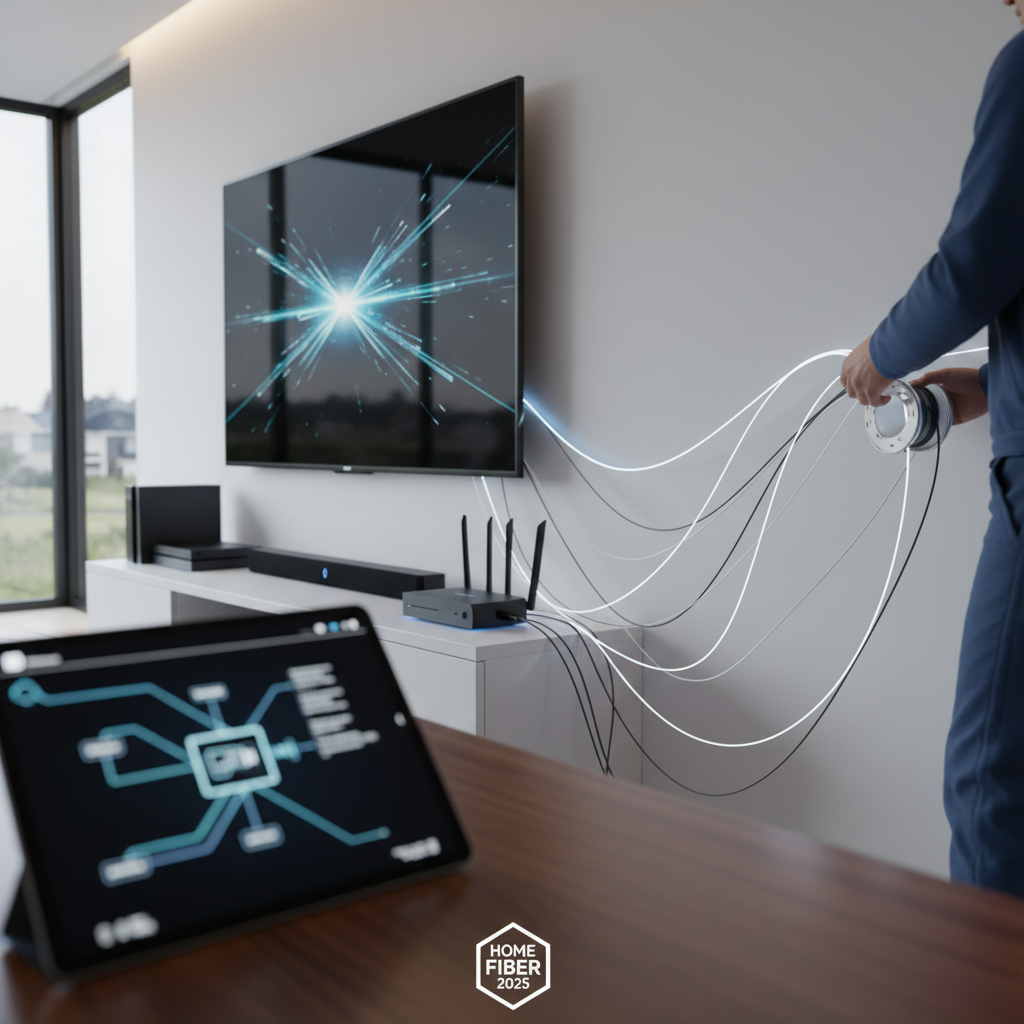
When installing indoor FTTH (Fiber to the Home) optical fiber cables, it’s crucial to begin with careful planning. First, assess the layout of your home to determine the optimal routing for the cables, minimizing interference and ensuring an unobstructed path. Use tools like a cable path diagram to sketch the best route, considering walls, furniture, and existing electrical wiring. This planning phase helps to avoid unnecessary bends and turns, which can compromise the integrity of the signal.
Next, consider the right type of fiber optic cable for your installation. Indoor fiber cables typically come in two main types: loose-tube and tight-buffered. Loose-tube cables are more suited for external environments but can be used indoors if well-protected. Tight-buffered cables, on the other hand, are ideal for indoor installations due to their flexibility and robustness. Make sure to follow manufacturer guidelines during the installation, ensuring that cables are not pulled too tightly or excessively bent. Using appropriate connectors and tools will further ensure the reliability and longevity of your FTTH system in your home.
Maintenance Best Practices for Longevity of Indoor Fiber Optic Cables
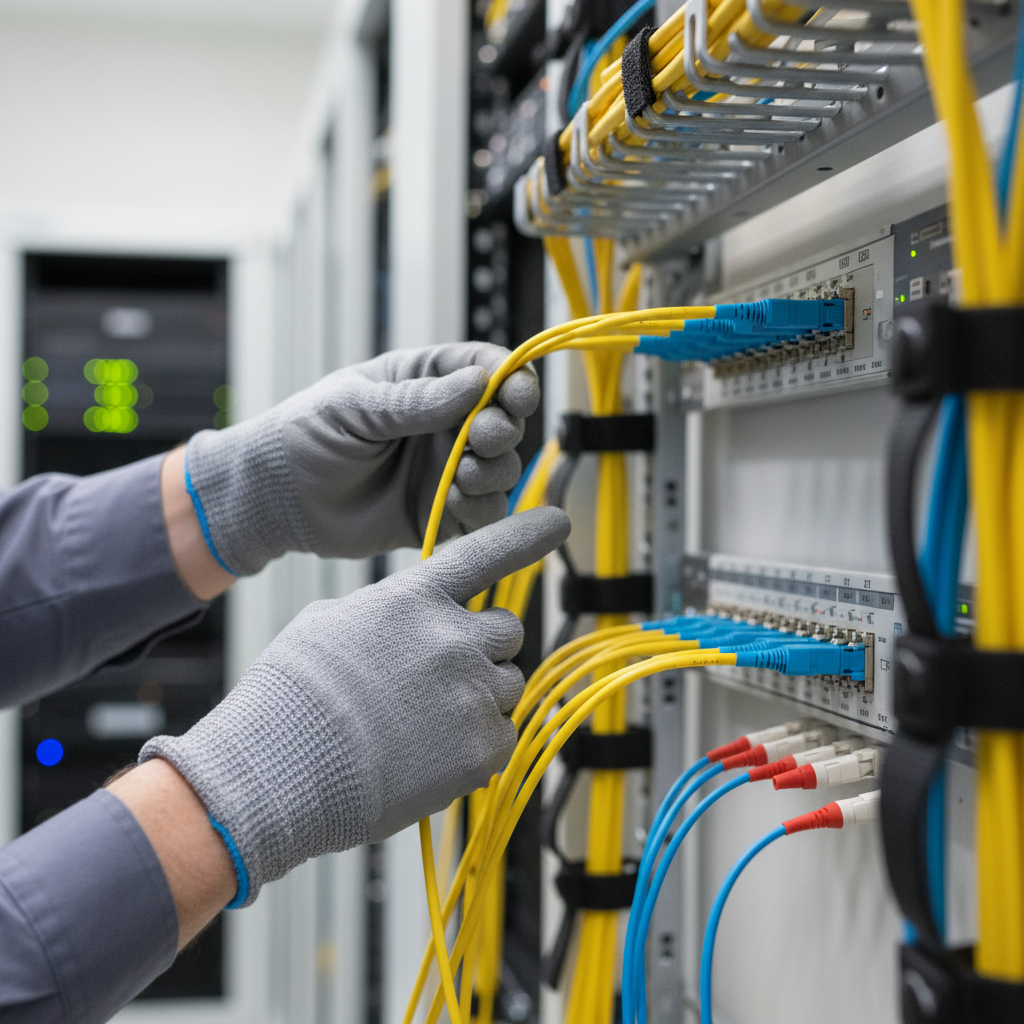
To ensure the longevity of indoor fiber optic cables, proper maintenance is essential.
Regular inspections can help identify any signs of wear or damage early on. Look for kinks, bends, or any visible signs of strain on the cables,
as these can impair signal quality and lead to failures. By checking connections and securing cables properly, the risk of damage during cleaning
or rearrangement can be minimized, promoting a stable performance over time.
In addition to routine inspections, keeping indoor fiber optic cables clean is crucial.
Dust and debris can gather over time, potentially obstructing connections. Use a soft, lint-free cloth to wipe down cables and connectors gently.
If needed, specialized cleaning kits designed for fiber optics can effectively restore cleanliness without causing harm to the delicate fibers.
Maintaining an optimal environment—away from excessive heat, moisture, or direct sunlight—also contributes to the durability of these cables,
ensuring they function effectively for years to come.