Leave Your Message

What Are the 2026 Top Types of Galvanized Steel Wire?

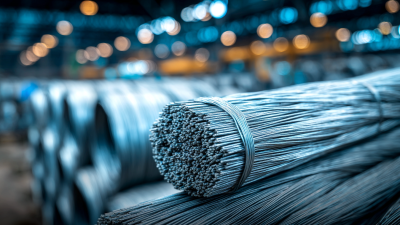
In 2026, Galvanized Steel Wire remains essential for fencing, construction, agriculture, and industrial fastening. Its zinc coating protects the steel core from moisture, oxygen, and everyday abrasion. Yet “top” does not mean one universal winner. The right type depends on exposure, strength, diameter, coating weight, and expected service life.

This guide examines hot-dip galvanized wire, electro-galvanized wire, heavily coated wire, and zinc-aluminum alloy options. Each type behaves differently under real working conditions. Hot-dip wire usually offers a thicker, more durable coating for outdoor applications. Electro-galvanized wire often provides a smoother finish and tighter dimensional control. Zinc-aluminum coatings can improve corrosion resistance in demanding environments, although their price may require closer evaluation.

Details matter.

A practical assessment should include tensile strength, coating adhesion, coating mass, surface consistency, and coil handling. Buyers should review mill certificates, inspection reports, and manufacturer test data before making comparisons. Recognized specifications, including ASTM A641/A641M and EN 10244-2, can support more reliable purchasing decisions when they match the project requirements.

Field experience also reveals a less convenient truth. A heavier coating does not automatically guarantee better performance. Poor storage, damaged surfaces, salty air, and incorrect installation can shorten service life quickly. Even a strong product may fail when it is dragged across rough concrete or stored beneath leaking roofing. This article compares the leading 2026 types with those practical limits in mind. Some rankings may remain debatable, because regional pricing, coating quality, and application priorities can change the final choice.
What Are the 2026 Top Types of Galvanized Steel Wire?

Galvanized Steel Wire: Definition, Properties, and Main Uses

What Are the 2026 Top Types of Galvanized Steel Wire?

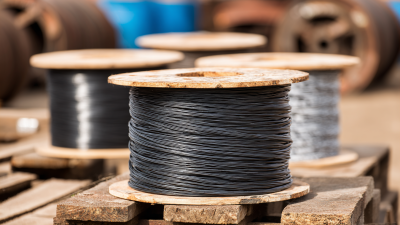
Galvanized steel wire is carbon steel protected by a zinc coating. The zinc forms a physical barrier against moisture and offers sacrificial protection when the surface is scratched. In practical terms, a 3 mm wire can remain bright outdoors longer than uncoated steel, but service life depends on humidity, salt, abrasion, and coating thickness.

Hot-dip galvanized wire remains a leading choice for fencing, vineyard trellis systems, gabions, and utility supports. It passes through molten zinc, creating a relatively thick and durable coating. Electro-galvanized wire has a smoother, thinner layer produced through an electrical process. It suits indoor hardware, light binding, and applications requiring a cleaner appearance. Heavily coated wire is often selected for coastal fencing or agricultural structures exposed to wet soil and animal waste.

Strength matters too. Low-carbon galvanized wire bends easily and works well for tying and general fencing. High-tensile wire uses stronger steel and needs careful tension control during installation. I have found that many failures blamed on “poor galvanizing” actually begin with sharp bends, damaged coating, or unsuitable diameter. That assumption deserves review. Buyers should check tensile strength, wire diameter, coating mass, and adhesion, then compare them with the relevant ASTM or ISO requirements. Zinc thickness alone cannot predict performance. Installation quality still matters.
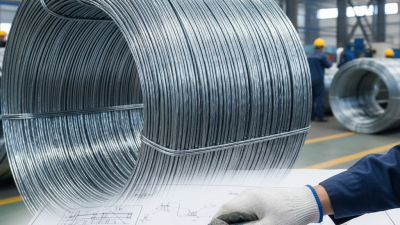
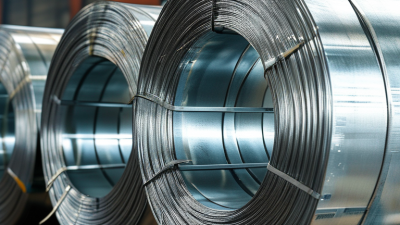
How Galvanized Steel Wire Is Classified by Coating and Manufacturing Method

Galvanized steel wire is classified mainly by zinc coating and manufacturing method. Hot-dip galvanized wire passes through molten zinc, creating a thicker, rougher protective layer. Electro-galvanized wire receives zinc through an electrical process. Its surface is smoother, but the coating is usually thinner.

Coating mass is measured in grams per square metre, while some specifications use zinc weight per wire diameter. ASTM A641 and EN 10244-2 define common coating requirements. Heavy-coated wire suits fencing, agricultural structures, and marine-adjacent applications. Light-coated wire fits indoor ties, mesh, and temporary fabrication. The choice is practical. More zinc does not automatically mean better performance.

Manufacturing details also separate wire types. Some mills galvanize drawn wire directly. Others galvanize rod first, then draw it to the final diameter. In-line galvanizing can improve consistency, although drawing may reduce coating thickness at bends. High-carbon galvanized wire supports prestressed products and mechanical loads. Low-carbon wire bends more easily for binding and mesh.

The World Steel Association’s October 2024 Short Range Outlook projected global steel demand growth of 1.2% in 2025. That growth supports continued demand for corrosion-resistant wire. The U.S. Geological Survey’s Mineral Commodity Summaries 2025 also identifies zinc as a major industrial metal used for corrosion protection. Field inspection still matters. Coating tests can reveal uneven zinc, bare spots, or weak adhesion. Classification tables help, but real exposure can challenge laboratory assumptions.

What Are the 2026 Top Types of Galvanized Steel Wire? - How Galvanized Steel Wire Is Classified by Coating and Manufacturing Method

Galvanized Steel Wire Type Coating Classification Manufacturing Method Typical Coating Characteristics Corrosion Protection Typical Applications Common Reference Standards
Electro-Galvanized Steel Wire Electrolytic zinc coating The steel wire is normally drawn to size, cleaned, and coated in an electrolytic zinc bath. Thin, smooth, and relatively uniform zinc layer; coating weight is generally lower than heavy hot-dip grades. Suitable for indoor conditions and light outdoor exposure when the coating remains intact. Wire mesh, binding wire, light-duty fasteners, shelving, and general fabrication. Requirements vary by product specification; zinc electroplating standards may apply.
Regular Hot-Dip Galvanized Steel Wire Standard zinc coating Finished or nearly finished steel wire is passed through cleaning and fluxing stages before immersion in molten zinc. A metallurgically bonded zinc coating with zinc-iron alloy layers beneath the outer zinc layer. Good general-purpose outdoor protection; zinc also provides sacrificial protection to exposed steel. Fencing, agricultural wire, wire rope components, construction mesh, and utility products. ASTM A641/A641M, EN 10244-2, and ISO 7989-2, depending on the market and product specification.
Heavy-Coated Hot-Dip Galvanized Steel Wire High zinc coating class or high coating mass The wire is hot-dip galvanized with process controls designed to achieve a higher zinc coating mass than standard grades. Thicker zinc protection; the required coating mass depends on wire diameter, steel grade, and the governing standard. Enhanced durability in humid, industrial, coastal, and other demanding outdoor environments. Highway barriers, transmission and communication lines, marine-adjacent structures, and long-life fencing. ASTM A641/A641M coating classes, EN 10244-2, or ISO 7989-2 as specified by the buyer.
Differentially Galvanized Steel Wire Different zinc coating levels by wire section or product requirement The hot-dip process is adjusted to provide specified coating requirements for different portions or uses of the wire product. Coating requirements are selected according to exposure, diameter, forming operation, and end-use performance. Allows material use to be matched more closely to local exposure and service conditions. Specialized fencing, cable components, structural wire products, and engineered assemblies. Project-specific specifications supported by ASTM, EN, or ISO zinc-coating requirements.
Hot-Dip Zinc-Alloy-Coated Steel Wire Zinc alloy coating, commonly zinc with approximately 5% aluminium and small additions of mischmetal The drawn steel wire is immersed in a molten zinc-alloy bath and then cooled and inspected. Zinc-alloy coating with improved barrier characteristics compared with conventional pure-zinc coatings of similar thickness. Often selected for improved corrosion performance in humid, salt-laden, or high-exposure environments. Long-life fencing, bridge and infrastructure components, agricultural wire, and outdoor cable systems. Applicable requirements depend on the zinc-alloy product specification and regional standard.
Galvanized-and-Drawn Steel Wire Zinc-coated wire subjected to controlled subsequent drawing Wire is galvanized first and then lightly drawn or shaped to achieve a specified diameter, surface finish, or mechanical property. The drawing operation must be controlled to limit cracking, flaking, or excessive reduction of the zinc coating. Protection depends on the remaining coating continuity and the permitted drawing reduction. Formed wire, springs, mesh, cable components, and products requiring tighter dimensional control. Specified through the applicable wire product standard and purchaser requirements.
Pre-Galvanized Steel Wire Zinc-coated feedstock used before forming or fabrication Steel wire is galvanized before it is woven, welded, formed, or assembled into a finished product. Provides efficient coverage on the original wire surface, but cut ends, welds, and severe forming areas may need additional protection. Good for moderate exposure when post-fabrication damage is limited or separately protected. Welded wire mesh, baskets, panels, shelving, and indoor or sheltered fabricated products. The applicable coating standard is determined by the wire and finished-product specification.
Post-Fabrication Galvanized Wire Product Hot-dip galvanized after forming or fabrication Wire is formed, welded, or assembled first, then the completed product is cleaned, fluxed, and immersed in molten zinc. Coating can cover the external surfaces, welds, edges, and cut areas of the completed assembly. Strong overall outdoor protection when the finished product requires coverage after fabrication. Heavy-duty mesh, fabricated baskets, structural assemblies, safety barriers, and outdoor equipment. ASTM A123/A123M or equivalent hot-dip galvanizing requirements may apply to fabricated products.

Note: Actual zinc coating mass, coating thickness, wire diameter, tensile strength, and dimensional tolerances must be confirmed against the selected standard and purchase specification. Zinc-alloy-coated wire is shown as a related high-performance alternative to conventional galvanized steel wire.

The Leading Types of Galvanized Steel Wire in 2026

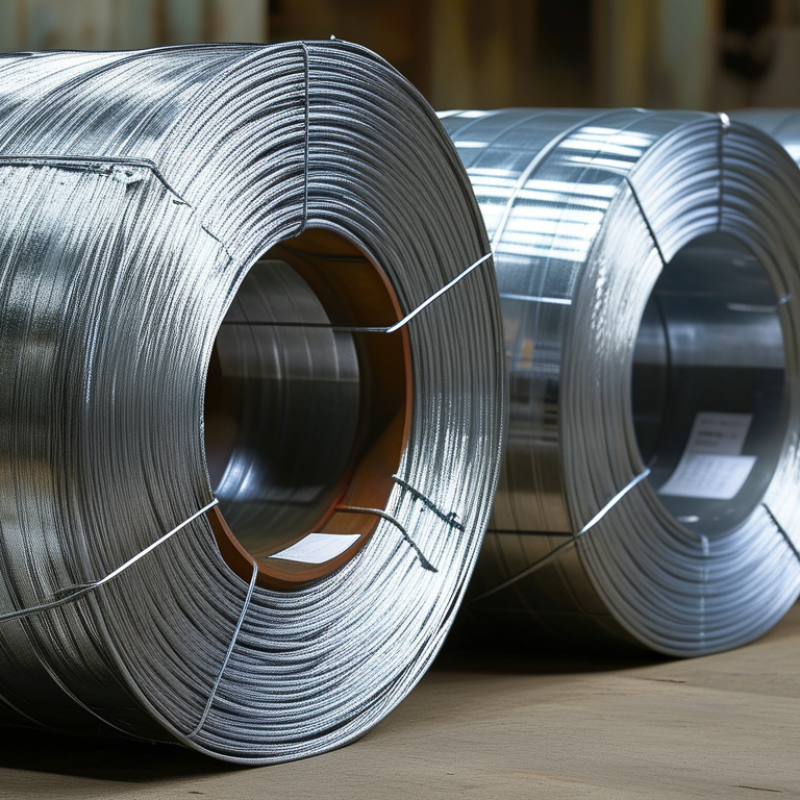
In 2026, hot-dip galvanized steel wire remains the leading choice for demanding outdoor work. The wire passes through molten zinc, creating a thicker protective coating. This layer helps resist rain, humidity, soil contact, and handling damage. It suits fencing, construction mesh, agricultural supports, and utility applications. In practical inspections, coating consistency matters as much as wire diameter. Small bare spots can become early corrosion points.

Electro-galvanized steel wire offers a smoother and more uniform surface. Its thinner zinc layer supports indoor products, light-duty fencing, binding wire, and precision components. It usually provides better dimensional control than hot-dip wire. However, it may require additional protection in coastal or heavily polluted environments. The lower coating thickness is not automatically a weakness. It depends on exposure.

Hot-dip zinc-aluminum alloy wire is gaining attention for long-life outdoor systems. Its alloy coating can provide strong corrosion resistance, especially in harsh weather cycles. High-tensile galvanized wire serves suspension systems, agricultural structures, and reinforced fencing where load capacity matters. Yet strength should never replace application testing. A very strong wire can still fail through poor bending, unsuitable clips, or incorrect installation. The ranking is not absolute. Real conditions decide the best type.

How to Compare Strength, Corrosion Resistance, and Surface Finish

What Are the 2026 Top Types of Galvanized Steel Wire?

How to Compare Strength, Corrosion Resistance, and Surface Finish

The leading galvanized steel wire types in 2026 include hot-dip galvanized, electro-galvanized, and zinc-aluminum coated wire. Strength starts with the steel grade and wire diameter, not the zinc layer alone. High-carbon wire generally supports heavier tension, while low-carbon wire bends more easily. Always check tensile strength, elongation, and dimensional tolerances on the mill certificate.

Numbers matter.

Hot-dip galvanized wire carries a thicker zinc coating, making it suitable for outdoor fencing, agricultural equipment, and humid industrial areas. Its surface may look slightly dull, uneven, or textured. That appearance is normal. Electro-galvanized wire usually has a smoother and brighter finish, but its thinner coating may offer less long-term protection in severe exposure. Zinc-aluminum coatings can improve corrosion resistance, especially near salt or persistent moisture. Still, coating composition alone does not guarantee performance.

Compare coating mass, adhesion, diameter consistency, and surface defects before choosing. A simple visual check can reveal bare spots, peeling, heavy zinc lumps, or rough bends. Useful testing includes coating-mass measurement, tensile testing, and controlled corrosion evaluation under recognized standards. Salt-spray results help, but they do not perfectly reproduce real weather. A wire that looks flawless may fail early at cut ends or stressed bends. That is an easy detail to miss. Review the installation environment, contact with dissimilar metals, and expected service life together.

Perfectly bright is not always better.

Selecting the Right Galvanized Steel Wire for Different Applications

In 2026, galvanized steel wire selection should begin with the working environment, not the product label. Hot-dip galvanized wire suits fences, agricultural supports, cable cores, and outdoor structures. Its thicker zinc layer tolerates rain, handling, and moderate abrasion. ASTM A641/A641M evaluates wire by diameter, tensile strength, and zinc coating class. Therefore, “galvanized” alone is incomplete information.

Electro-galvanized wire offers a smoother and more uniform surface. It fits indoor racks, light tying work, and components requiring clean dimensions. However, its thinner coating usually needs extra protection outdoors. For coastal sites, zinc-aluminum alloy coated wire can provide stronger corrosion resistance. The International Zinc Association reports that atmospheric zinc loss changes greatly between rural, industrial, and marine environments. Site exposure matters more than a bright finish.

High-tensile galvanized wire is practical for suspension systems, livestock fencing, and prestressed applications. Choose it when load capacity matters, but verify elongation and fatigue performance. PVC-coated galvanized wire adds color and handling protection for cages, landscaping, and public-facing barriers. The coating can hide cuts, though. Inspect damaged areas carefully. ISO 1461:2022 lists minimum average zinc thicknesses from 45 to 85 micrometres for fabricated steel, but that standard is not a substitute for wire-specific requirements. A neat classification can still mislead. Real projects need coating mass, core strength, diameter tolerance, exposure level, and installation method checked together.