Top 10 Photovoltaic Insulation Cable Materials You Need to Know?
In the rapidly evolving world of renewable energy, understanding the right Photovoltaic Insulation Cable Material is crucial. These materials play a vital role in ensuring the efficiency and safety of solar energy systems. As solar panels become more widespread, the demand for high-quality insulation cables grows.
Photovoltaic insulation cables are designed to withstand harsh weather conditions. They protect electrical conductors from moisture, UV radiation, and temperature extremes. Selecting the appropriate material can directly impact the longevity and performance of solar installations. Yet, many may overlook the importance of this choice.
Becoming informed about the top photovoltaic insulation cable materials is essential for stakeholders in the solar industry. Doing so enhances both safety and efficiency. However, with so many options available, it can be overwhelming for consumers and businesses alike. Thus, careful consideration is needed.
Overview of Photovoltaic Insulation Cables and Their Importance
Photovoltaic insulation cables play a crucial role in solar power systems. These cables connect solar panels to inverters and ensure efficient energy transfer. Their insulation must withstand harsh conditions. Factors such as UV exposure, temperature fluctuations, and environmental moisture affect their performance.
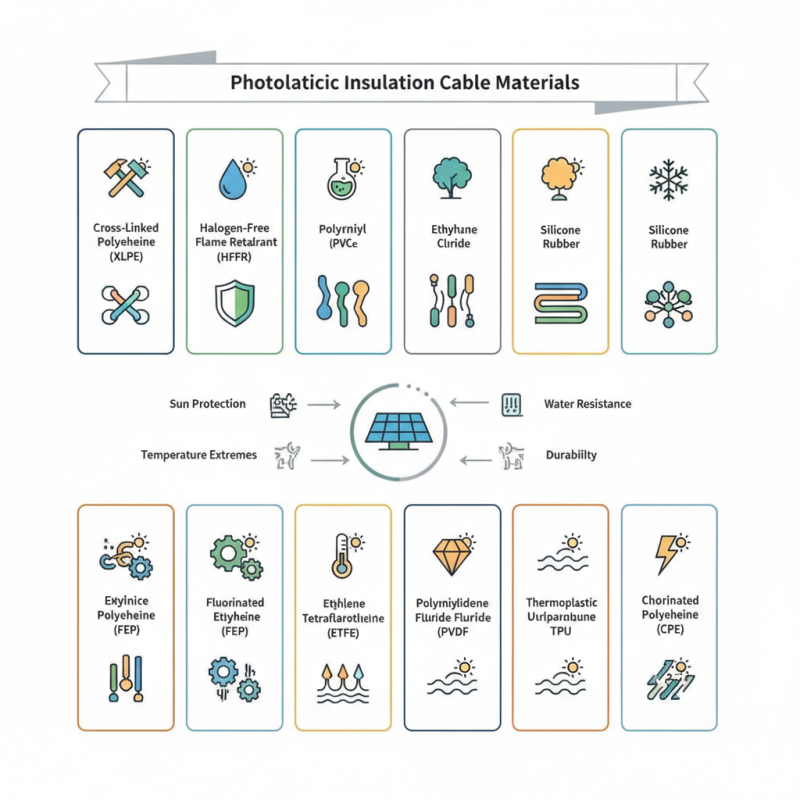
Selecting the right insulation material is vital. It must offer high electrical resistance and durability. Common materials include cross-linked polyethylene and polyvinyl chloride. Each material has unique properties that impact efficiency. However, not all are equal. Some materials may degrade faster than expected, leading to potential safety risks. It's essential to continually evaluate these materials in practical applications.
When choosing insulation cables, consider the installation environment. The right material will enhance system longevity and performance. Regular inspections can reveal early signs of wear. This proactive approach helps in preventing system failures and promotes reliability. As technology evolves, staying informed about material advancements is crucial. Effective insulation is not just about current needs but preparing for future innovations.
Key Characteristics of Effective Insulation Materials for Solar Cables
Choosing the right insulation material for photovoltaic cables is vital for system performance and safety. Effective insulation materials protect solar cables from moisture, UV radiation, and temperature fluctuations. According to the International Electrotechnical Commission (IEC), materials like cross-linked polyethylene (XLPE) and ethylene propylene rubber (EPR) are common due to their excellent thermal stability. They are resistant to aging and maintain flexibility over a wide temperature range.
A study by the Solar Energy Industries Association (SEIA) highlights the importance of chemical resistance in insulation materials. Cables often face exposure to harsh environmental conditions. Materials should withstand not only physical wear but also chemical reactions with soil or water. High-quality insulation can significantly reduce maintenance costs. Yet, using cheaper alternatives might save money initially but could lead to frequent replacements and system downtimes.
Tip: Always check for certifications when selecting insulation materials. Look for standards such as UL 4703 or IEC 60216. Ensure that materials meet these benchmarks to guarantee performance. Keep in mind that lower quality often comes with hidden long-term costs. Investing in reliable insulation can enhance the longevity of your PV installation.
Top 10 Photovoltaic Insulation Cable Materials You Need to Know
| Material |
Thermal Resistance (°C) |
Dielectric Strength (kV/mm) |
Water Absorption (%) |
UV Resistance (years) |
| XLPE (Cross-linked Polyethylene) |
90 |
20 |
0.3 |
25 |
| PVC (Polyvinyl Chloride) |
70 |
18 |
0.6 |
15 |
| EVA (Ethylene Vinyl Acetate) |
80 |
15 |
0.4 |
20 |
| TPE (Thermoplastic Elastomer) |
85 |
22 |
0.5 |
20 |
| FRNC (Fire Resistant Non-Conducting) |
75 |
19 |
0.2 |
12 |
| NR (Natural Rubber) |
60 |
16 |
0.8 |
10 |
| FKM (Fluoroelastomer) |
150 |
25 |
0.1 |
30 |
| SABIC (Polyolefin) |
100 |
20 |
0.15 |
25 |
| SILICONE |
120 |
30 |
0.2 |
25 |
| BTS (Biodegradable Thermoplastic) |
70 |
12 |
0.7 |
8 |
Top Materials Used for Photovoltaic Insulation: A Comparative Analysis
When considering photovoltaic insulation cables, it's crucial to understand material properties. Various materials offer distinct advantages and disadvantages, impacting efficiency and longevity. Two common options are PVC and XLPE. PVC is cost-effective and widely used. However, it does have limitations in extreme temperatures.
On the other hand, XLPE boasts superior thermal resistance. It can handle higher temperatures without degrading. This characteristic can lead to longer cable lifespans. Yet, XLPE may be more expensive, which can affect project budgets. Another alternative is rubber. Rubber is flexible and resilient, but it’s less durable against ultraviolet light over prolonged exposure.
Thermal performance is an essential factor. In colder conditions, cables might become brittle, affecting performance. Conversely, excessive heat can decrease the insulation’s effectiveness. This variability underscores the need for careful material selection based on environmental conditions. Each project has unique challenges, necessitating a thoughtful approach to insulation material choices.
Top 10 Photovoltaic Insulation Cable Materials
Environmental and Performance Factors Impacting Cable Material Choice
When selecting photovoltaic insulation cable materials, environmental and performance factors are crucial.
For instance, temperature fluctuations can significantly affect the integrity of the cable. According to a report by the International Electrotechnical Commission, materials can degrade
at temperatures above 85°C, leading to reduced lifespan and performance.
Therefore, choosing a polymer with high thermal stability is essential.
Another essential factor is UV resistance.
Cables exposed to direct sunlight require materials that can withstand UV radiation without degradation.
Studies show that cables made from UV-stabilized PVC can last up to 20 years
without significant performance loss. However, not all materials meet this requirement, raising concerns about longevity and reliability in harsh climates.
Moisture and chemical exposure also play a critical role.
According to research from the Institute of Electrical and Electronics Engineers,
insulation materials affected by moisture can experience increased dielectric losses. This can lead to short circuits and other failures.
In considering such factors, manufacturers must balance cost and performance, reflecting on the long-term implications of their material choices.
Future Trends in Photovoltaic Insulation Cable Materials and Innovations
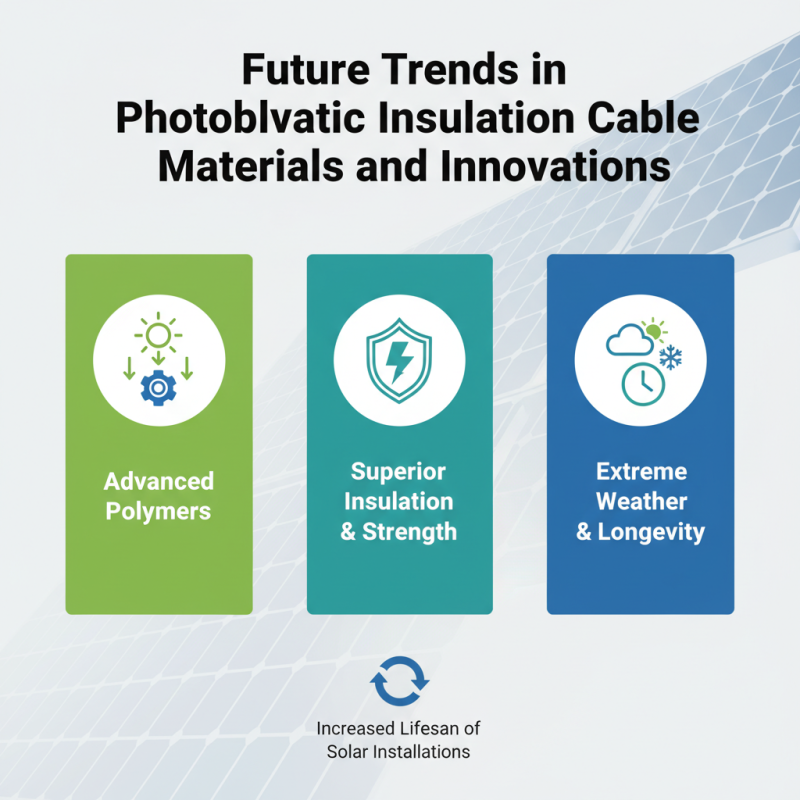
The future of photovoltaic insulation cable materials is promising. Innovations are reshaping how we think about these materials. Researchers are developing advanced polymers that offer superior insulation and mechanical strength. These materials can withstand extreme weather conditions and increase the lifespan of solar installations.
Emerging trends include the use of recycled materials. Sustainability is becoming a priority in manufacturing processes. This shift aims to reduce waste and conserve resources. Industry experts emphasize the importance of eco-friendly practices. They note, however, that not all recycled materials meet the necessary performance standards. There is still a need for rigorous testing and certification.
Another area of exploration is the integration of smart technologies. Smart cables can monitor performance and detect faults in real-time. This innovation offers a way to enhance system reliability. Challenges remain in ensuring compatibility with existing systems. Research and development must address these issues. Overall, the future will likely bring a blend of durability, efficiency, and sustainability in photovoltaic insulation cables.