Top 10 Sheath Cable Materials for Optimal Performance and Durability?
In the world of electrical engineering, the choice of Sheath Cable Material is crucial. Dr. Emily Carter, a leading expert in cable technology, emphasizes, "The right materials can significantly enhance the performance and lifespan of cables." This statement encapsulates the essence of optimal cable design.
When it comes to sheath cables, materials vary greatly in composition and durability. From PVC to polyethylene, each option carries its unique strengths and weaknesses. Selecting the appropriate material is often not straightforward. Engineers must consider factors like environmental exposure and mechanical stress.
Unfortunately, many overlook the long-term implications of their choices. The wrong sheath cable material can lead to premature failures. In contrast, high-performing materials provide necessary protection and resilience. It calls for a deeper understanding of each material’s properties to make informed decisions. As technology evolves, so do the materials available for sheathing cables. It’s a field ripe for innovation and reflection.
Understanding Sheath Cable Materials and Their Importance
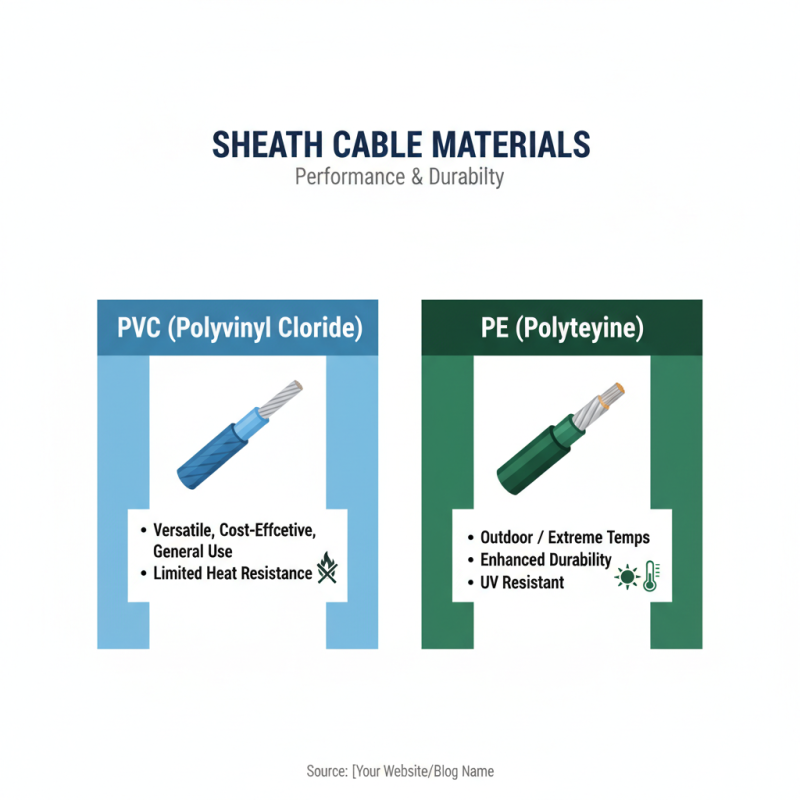
Sheath cable materials are essential for ensuring optimal performance and durability in various applications. The chosen materials can significantly influence the cable's lifespan. For instance, PVC is commonly used due to its versatility and cost-effectiveness. However, it may not withstand extreme temperatures well. On the other hand, polyethylene offers better thermal resistance, making it a popular choice in outdoor settings.
Different environments demand specific sheath materials. In high-humidity areas, materials like thermoplastic elastomers can provide better insulation. Yet, they may lack the mechanical strength found in other options. Understanding the trade-offs between different materials becomes crucial for designers. Choices often involve compromises that can affect overall performance.
A deep dive into cable material properties can reveal valuable insights. For instance, while rubber sheaths are flexible, they might degrade faster under UV exposure. Identifying the right material for each application is not only vital but also a reflection of the importance of quality. Making informed decisions requires careful consideration of various factors, including environmental conditions and potential wear and tear.
Key Properties of Ideal Sheath Cable Materials for Performance
When choosing sheath cable materials, certain properties are vital. High tensile strength is essential for durability. This ensures the cable withstands mechanical stresses. Flexibility is also critical, especially in tight spaces. It allows for easy handling and installation.
Chemical resistance is another important factor. Cables often encounter various environments. Materials need to resist oils, acids, and moisture. This prevents degradation over time. Additionally, thermal stability contributes to optimal performance. Cables exposed to high temperatures should maintain integrity.
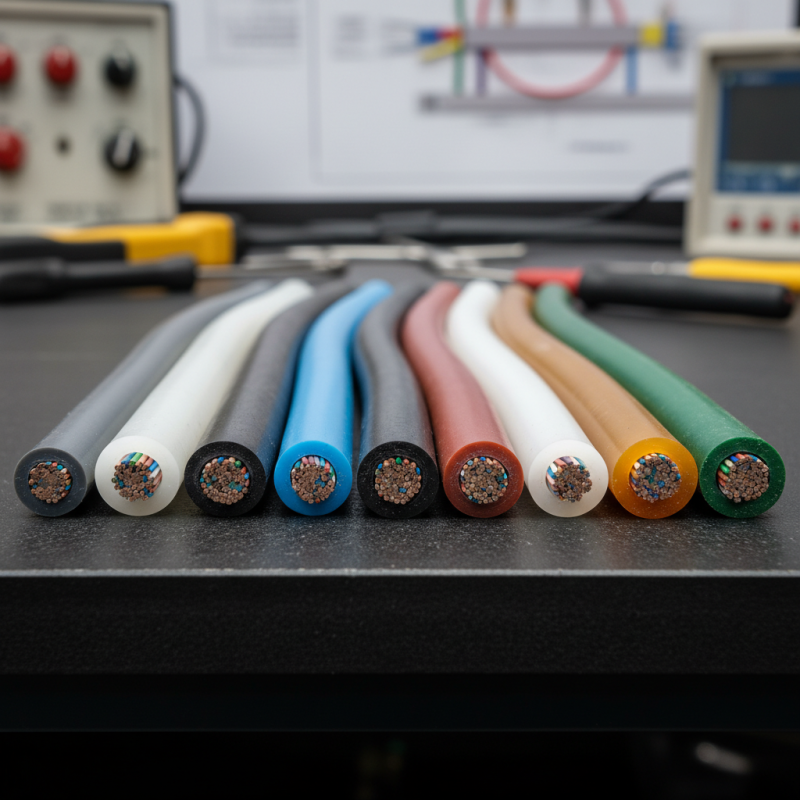
Certain aesthetics, like color coding, also play a role. It helps in identifying cables during installation. However, balancing aesthetics with function can be challenging. The best materials achieve both while not sacrificing performance. Understanding these elements is key to successful cable selection. There is a constant need for improvement. Recognizing material limitations invites innovation in design and usage.
Top 10 Sheath Cable Materials: Overview and Applications
Choosing the right sheath cable material is crucial for ensuring optimal performance. Many applications rely on durability and resistance to various environmental factors. For instance, PVC is commonly used due to its excellent insulation properties and UV resistance. According to a recent industry report, about 55% of cables in the electrical sector utilize PVC for these reasons. However, it can be less effective in high-temperature environments.
Another popular choice is polyethylene (PE). This material offers excellent moisture resistance, making it ideal for outdoor applications. Reports show that PE cables can maintain performance even in harsh conditions. Approximately 30% of telecommunications cables are made from PE, highlighting its significance. Yet, its rigidity can be a limitation, especially in tight spaces.
Thermoplastic elastomers (TPE) are gaining traction for their flexibility and impact resistance. They perform well in dynamic environments, where movement is frequent. However, some users report that TPE can be prone to wear over time. These insights remind us that selecting the right material requires a careful balance of pros and cons. Each application may present unique challenges that need to be addressed.
Top 10 Sheath Cable Materials for Optimal Performance and Durability
Comparative Analysis of Sheath Cable Material Durability
When evaluating sheath cable materials, durability is a crucial factor. Various options exist, but how do they compare? From PVC to polyethylene, each material has its strengths and weaknesses. For instance, PVC offers decent resistance to abrasion and chemicals but may not perform well in extreme temperatures.
On the other hand, cross-linked polyethylene (XLPE) provides excellent thermal and chemical resistance. Yet, it might be more expensive. The choices seem endless, but considerations like environmental impact and installation flexibility must also factor in. Many users overlook these aspects, leading to potentially costly mistakes. The right choice often requires careful thought and analysis.
In some cases, materials may look similar on paper. However, real-world performance can differ significantly. Rigorous testing reveals that some materials degrade faster under UV light, while others struggle in wet conditions. These findings emphasize the importance of thorough investigation before selecting a sheath cable material. Understanding the durability of each option can lead to better decision-making and longer-lasting installations.
Top 10 Sheath Cable Materials for Optimal Performance and Durability
| Material |
Thermal Resistance (°C) |
Abrasion Resistance |
Chemical Resistance |
Flexibility |
Cost (per meter) |
| Polyvinyl Chloride (PVC) |
-15 to 60 |
Good |
Moderate |
Excellent |
$0.50 |
| Cross-Linked Polyethylene (XLPE) |
-40 to 90 |
Excellent |
Good |
Good |
$1.00 |
| Low Smoke Zero Halogen (LSZH) |
-30 to 70 |
Good |
Excellent |
Moderate |
$1.50 |
| Polypropylene (PP) |
-20 to 90 |
Moderate |
Good |
Excellent |
$0.80 |
| Polyurethane (PU) |
-20 to 80 |
Excellent |
Moderate |
Good |
$1.20 |
| Nylon |
-40 to 100 |
Good |
Good |
Moderate |
$1.10 |
| Fluoropolymer |
-50 to 200 |
Excellent |
Excellent |
Poor |
$3.00 |
| Ethylene Propylene Rubber (EPR) |
-40 to 120 |
Moderate |
Good |
Good |
$1.40 |
| Silicone |
-50 to 200 |
Good |
Excellent |
Good |
$2.50 |
| Teflon |
-200 to 260 |
Excellent |
Excellent |
Poor |
$4.00 |
Future Trends in Sheath Cable Material Innovations and Developments
The future of sheath cable materials is shaping up to be more innovative than ever. Recent industry reports indicate that the global market for these materials is expected to grow by approximately 5% annually. This rise is fueled by the increasing demand for high-performance cables in various sectors, including telecommunications and renewable energy.
One key trend is the development of environmentally friendly materials. Many manufacturers are investing in bioplastics and other sustainable alternatives. Reports show that around 30% of companies plan to incorporate such materials by 2025. However, the challenge remains in balancing environmental benefits with durability and performance.
Furthermore, advancements in polymer chemistry are leading to improved heat and chemical resistance. For instance, reports highlight that newer formulations can withstand temperatures up to 150 degrees Celsius. Despite these positives, companies still grapple with the cost implications of switching to advanced materials. There's a fine line between innovation and affordability, making it a crucial topic for discussion in the industry.