Best Coaxial Cable Material Tips for Global Buyers?
In today's fast-paced technological landscape, understanding the nuances of coaxial cable material has become crucial for global buyers. Reports from industry experts indicate that the demand for high-quality coaxial cables is projected to grow by 6% annually through 2025. The right material can significantly enhance signal integrity and overall performance, which is vital in applications ranging from telecommunications to broadcasting.
Dr. Emily Rhodes, a renowned analyst in the coaxial cable sector, emphasizes, "The choice of coaxial cable material directly impacts its functionality and longevity." Buyers must be aware of various materials, such as copper, aluminum, and dielectric insulations. Each type brings distinct advantages and trade-offs. For instance, while copper offers superior conductivity, it may not always be cost-effective for all projects.
As the market expands, challenges arise in selecting the ideal coaxial cable material. Buyers often overlook the long-term implications of their choices. They must weigh factors such as environmental conditions and installation practices. Skipping these considerations can result in performance issues and increased costs. Thus, a well-informed choice is critical for maximizing both efficiency and reliability in their applications.
Understanding Coaxial Cable Materials: Key Components Explained
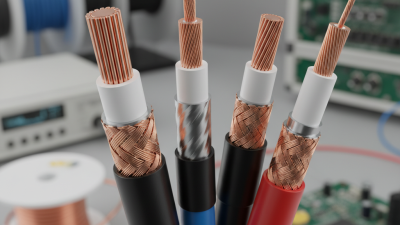
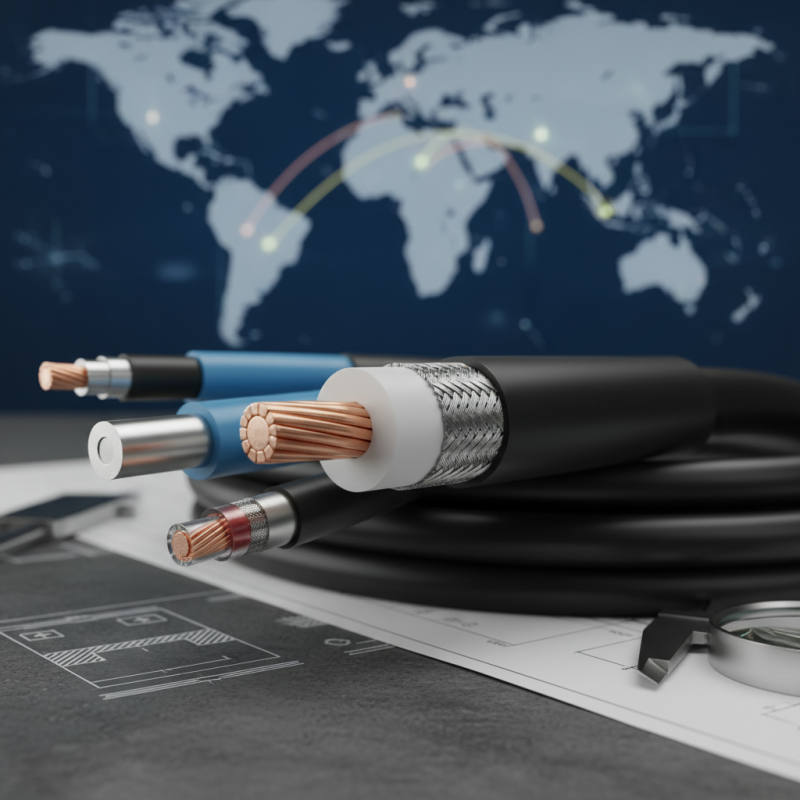
Coaxial cables are essential for transmitting signals reliably. Understanding their materials is crucial for choosing the right one. A typical coaxial cable consists of several key components: the inner conductor, dielectric insulator, outer conductor, and jacket. Each element plays a vital role in signal quality and durability.
The inner conductor usually made of copper or aluminum carries the electrical signals. Copper is preferred for its excellent conductivity. However, aluminum is lighter and more cost-effective. The dielectric insulator surrounding the inner conductor often uses materials like PVC, foam, or Teflon. Each type influences the signal’s speed and loss. PVC is common and affordable, but foam insulators may offer better performance in high-frequency applications.
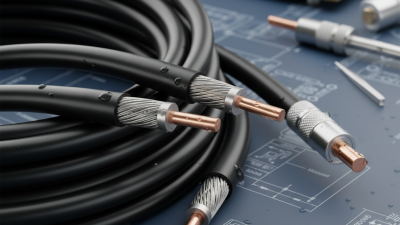
Finally, the outer conductor, typically a layer of braided copper or aluminum, shields against interference. The jacket, made from various plastics, protects the cable from physical damage and environmental factors. Not all cables are created equal, and buyers should reflect on their specific needs. Inadequate insulation or shielding can lead to poor signal quality. Exploring these aspects helps in making informed decisions when purchasing coaxial cables.
Types of Materials Used in Coaxial Cables: A Comparative Overview
When considering coaxial cables, the material used plays a crucial role in performance. The most common materials include copper, aluminum, and various types of plastic. Copper is widely favored for its excellent conductivity. However, it can be costly and prone to corrosion over time. Aluminum serves as a lighter, more affordable alternative, yet it may not provide the same signal quality as copper.
Plastic is also significant in coaxial cable construction. It often serves as insulation and dielectric material. The choice of dielectric affects the cable's power handling and signal quality. Foam and solid polyethylene are common options. Each has distinct advantages and limitations. Buyers need to weigh these factors carefully.
Tip: Always consider the installation environment. In areas with high electromagnetic interference, choose cables with better shielding. This can enhance signal quality.
Tip: Understand that not all cables are suited for outdoor use. If exposed to the elements, select materials that resist UV damage and moisture. These choices can save you from costly replacements.
Keeping these aspects in mind ensures you make an informed choice. Evaluating materials critically aids in selecting the right coaxial cable for your needs.
Factors Influencing Performance: Impedance, Loss, and Durability
Coaxial cables play a crucial role in data transmission, especially in telecommunications. Three significant factors influence their performance: impedance, signal loss, and durability. Understanding these elements is essential for global buyers who want reliable connections.
Impedance is a key property of coaxial cables, typically 75 ohms for video applications. Deviations from this standard can cause signal reflections and degrade performance. Reports indicate even a 1% impedance mismatch can result in a 10% loss in power transmission. This highlights the importance of matching impedance in production to get the best signal quality.
Signal loss is another critical factor. High-quality coaxial cables should have minimal attenuation, typically less than 0.1 dB per meter at high frequencies. Some reports suggest that poor insulation or inferior materials can double the signal loss, impacting overall performance significantly.
Lastly, durability is vital, especially for outdoor installations. Environmental damage can lead to increased attenuation and even complete failure in extreme cases. Choosing cables with robust materials is crucial to prevent costly replacements.
Choosing the Right Coaxial Cable Material for Specific Applications
When selecting coaxial cable materials, several factors are crucial. The application often dictates the material choice. For short-distance connections, PVC or polyethylene insulations might suffice. However, they may not perform well in high-frequency applications. In these cases, materials like Teflon or low-loss polyethylene are more effective. They reduce signal loss and improve overall performance.
It's essential to consider environmental factors when choosing. For outdoor use, the cable's durability is vital. UV resistance and moisture protection are necessary to ensure longevity. Similarly, for industrial settings, cables should have robust shielding to prevent interference.
Testing different materials can reveal insights into performance. Users may find unexpected results when using certain cables. This experimentation can lead to a better understanding of specific needs. Remember, the right material can significantly impact the efficiency of the connection.
Global Sourcing Tips: Quality Assurance and Supplier Selection
When sourcing coaxial cables globally, quality assurance and supplier selection are critical. The global market is competitive, requiring diligence in finding reliable suppliers. A report from the International Electrotechnical Commission noted that quality issues could lead to a 30% increase in failure rates. Therefore, buyers must conduct thorough supplier evaluations.
One effective tip is to assess suppliers' certifications. ISO 9001 certification is a standard for quality management systems. This ensures that the manufacturer meets specific quality benchmarks. Additionally, consider requesting product samples to evaluate performance and durability. Hands-on testing provides insight into the cable's ability to meet your requirements.
It's also crucial to evaluate suppliers’ track records. Look for feedback from previous clients. Many platforms offer insights into suppliers’ reputations. Engage with industry forums for unbiased reviews. This can reveal red flags or highlight trustworthy options. Remember, while price is essential, quality should always take precedence. Poor quality cables can lead to significant long-term costs, including installation delays and increased maintenance needs.