How to Choose PVC Cable Material for Global Sourcing?
Choosing the right PVC cable material is crucial for manufacturers and suppliers aiming for global sourcing. The global PVC market is projected to reach $107 billion by 2027, as reported by industry analysts. This growth is driven by the increasing demand for electrical cables across various sectors. However, navigating the complexities of PVC cable material selection requires careful consideration of specific applications and regulatory standards.
Industry reports indicate that about 70% of the PVC used in cables is heavily influenced by local regulatory requirements. Different regions may have varying standards for fire resistance, flexibility, and environmental impact. Therefore, companies must prioritize sourcing materials that not only meet their operational needs but also align with local guidelines.
In the competitive landscape, suppliers face the challenge of differentiating their products. Quality and performance are fundamental; however, many overlook aspects like sustainability. As consumers push for greener solutions, reflecting on how PVC cable material impacts the environment is essential. Companies should not only consider immediate cost but also the long-term implications of their material choices.
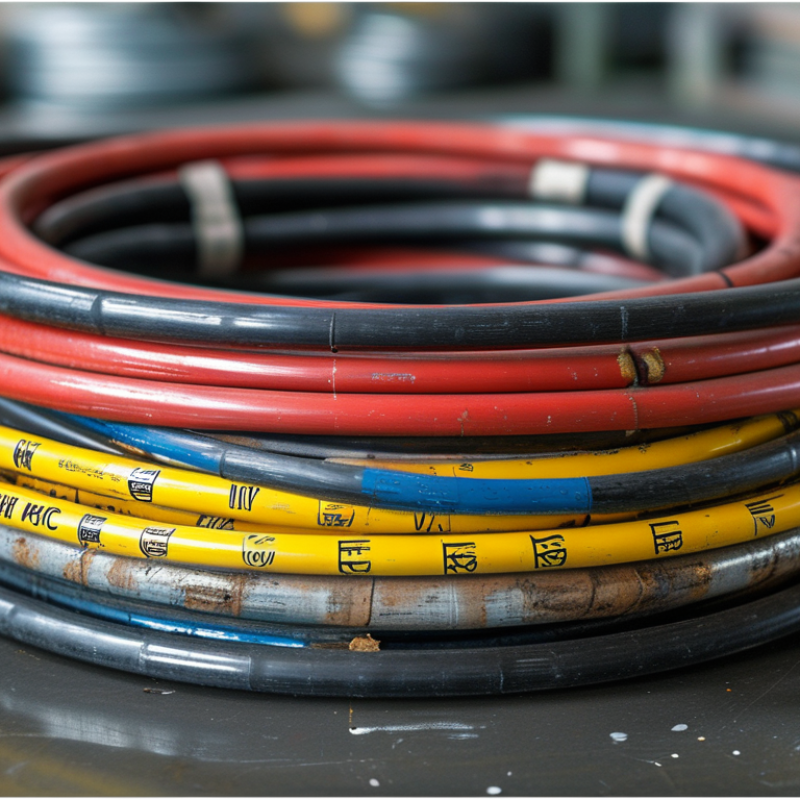
Understanding PVC Cable Materials and Their Properties
Choosing the right PVC cable material is crucial for various applications. PVC, or polyvinyl chloride, offers excellent insulation and protection properties. Research from the International Association of Plastics confirms that PVC cables account for approximately 70% of the global cable market. This highlights their importance in construction and electronics.
The characteristics of PVC vary widely. For instance, flexible PVC is more suitable for movable applications, while rigid PVC maintains structural integrity in fixed installations. According to a recent industry report, around 30% of material failures in cables arise from improper selection based on mechanical properties. Ensuring compatibility with environmental conditions is vital, as temperature fluctuations can significantly alter performance.
When sourcing PVC materials globally, it's essential to evaluate various suppliers. Different manufacturers may produce PVC with slightly different additives, affecting durability and flexibility. Without proper standards, there’s a risk of inconsistent quality. It's necessary to consider these factors carefully to mitigate risks. A systematic approach to choosing the right PVC will enhance cable performance and longevity.
Factors to Consider When Sourcing PVC Cables Globally
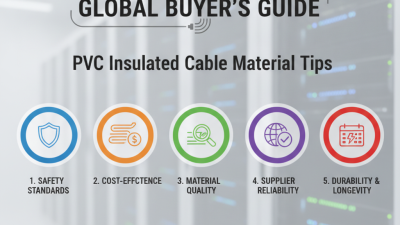
When sourcing PVC cables globally, several critical factors must be considered. The quality of materials plays a significant role. Ensure that the PVC used is of high-grade quality to withstand environmental stresses. Look for suppliers who conduct thorough quality checks and provide certifications. This reduces the risk of defective products that can lead to project delays or safety issues.
Additionally, understanding local standards and regulations is essential. Different countries may have varying requirements for electrical products. Failure to comply with these regulations can result in penalties or a recall. Engage with experts who understand these complexities. They can guide you through compliance and ensure you choose materials that meet specific safety standards.
Another crucial element is supplier reliability. Evaluate the manufacturing capabilities and history of your potential partners. Seek references and case studies that demonstrate their experience. Building a relationship based on trust and transparency can lead to more successful sourcing outcomes. A strong partnership will also minimize risks associated with global supply chains.
Evaluating Supplier Credentials and Material Quality
When sourcing PVC cable materials globally, evaluating supplier credentials is crucial. A supplier’s background can reveal much about their reliability. Look for a company with years of experience in the industry. A long history often suggests stability and expertise. Check their certifications, as these indicate adherence to industry standards. Some certifications might relate directly to product quality, while others reflect ethical practices.
In addition to credentials, material quality is vital. Request samples before committing. Inspect them for consistency and durability. Consider the manufacturing processes. Suppliers using advanced technology tend to produce higher quality materials. However, don’t assume that all innovations lead to better products. Sometimes, new methods may introduce risks. Understanding the raw materials used can also provide insight into durability and performance.
Evaluating the supplier’s reputation and customer feedback is essential. Search for reviews and case studies. While positive feedback is encouraging, be aware of potential red flags. A few negative reviews can indicate serious issues, but don’t dismiss a supplier outright due to one or two complaints. Every supplier has areas for improvement. Balancing these factors will lead to a more informed decision in your PVC cable sourcing journey.
Assessing Cost-Effectiveness in PVC Cable Procurement
When sourcing PVC cable material globally, cost-effectiveness is a critical factor. Industry reports reveal that fluctuations in raw material prices can affect procurement budgets significantly. According to a recent analysis from the International Cable and Wire Association, the cost of PVC rose by approximately 15% in the last year alone. This volatility requires procurement teams to stay informed about market trends to avoid excessive expenditure.
Evaluate the potential suppliers thoroughly. Consider their production capacity, lead times, and reliability. These factors can directly influence overall costs. A delay from one supplier could lead to an uninterrupted supply chain and, ultimately, higher costs. Sometimes, less recognized suppliers offer competitive pricing, but they might lack the quality assurance of more established entities.
For successful procurement, take time to compare the total cost of ownership (TCO). TCO includes not just the purchase price but also factors like shipping, handling, and potential replacements due to quality issues. Suppliers might offer lower upfront prices, yet ongoing maintenance and replacement costs can skyrocket. This multifaceted approach ensures that procurement decisions lead to sustainable cost savings.
Finding the right balance in sourcing PVC cable material is challenging. For instance, while cheaper options may seem appealing, they could compromise quality. Reflecting on past purchasing decisions can provide insights into better strategies for the future.
How to Choose PVC Cable Material for Global Sourcing? - Assessing Cost-Effectiveness in PVC Cable Procurement
| Material Type |
Cost per Meter (USD) |
Environmental Impact Level (1-5) |
Durability Rating (Years) |
Market Availability (1-5) |
| PVC Unplasticized (Rigid) |
0.50 |
2 |
30 |
4 |
| PVC Plasticized (Flexible) |
0.75 |
3 |
25 |
5 |
| Cross-Linked PVC |
1.00 |
4 |
35 |
3 |
| Low Smoke Zero Halogen (LSZH) |
1.25 |
1 |
20 |
2 |
Navigating Regulations and Standards for PVC Cable Sourcing
Navigating the complexities of PVC cable sourcing requires a solid understanding of regulations and standards.
Different regions have varying requirements for PVC cables. For instance, some countries enforce strict environmental
regulations regarding PVC's production and disposal. Understanding these specifics is crucial for compliance and
sustainability.
In the sourcing process, professionals must research certification requirements. Compliance with standards such as
IEC and UL can prevent costly delays and enhance marketability. However, often underestimated are the nuances of
local regulations. Many sourcing agents overlook these elements, which can lead to repercussions affecting product
acceptance.
Additionally, it’s essential to engage with reliable suppliers who are transparent about their practices.
Verifying their compliance with regulations is a key step. Communication is vital; ask for documentation and proof
of standards met. Investing time in these details can save significant costs later. Ignoring these aspects may
result in compliance challenges and reputation risks downstream.