How to Choose the Best PVC Cable Material for Your Needs?
Choosing the right PVC cable material is crucial for various applications. The global demand for PVC cables is expected to grow significantly. Reports indicate that the market is projected to reach USD 30 billion by 2025. The versatility of PVC contributes to its widespread use in different sectors, from telecommunications to construction.
Understanding the specific needs of your project is key. Factors such as temperature resistance, flexibility, and tensile strength play a pivotal role. For instance, certain types of PVC cable materials are better suited for high-voltage applications, while others excel in environments prone to extreme temperatures. Industry experts emphasize the importance of material selection in ensuring safety and longevity.
Navigating the available options can be overwhelming. There are various grades and formulations of PVC, each with its unique properties. Sometimes, standard choices may not meet specific project requirements. Thus, it's essential to consult with professionals and conduct thorough research. Reliable data from manufacturers and industry reports can guide you in making informed decisions about PVC cable material that suits your needs.
Understanding PVC Cable Materials: Types and Specifications
When selecting PVC cable materials for specific applications, understanding the different types and specifications is crucial. PVC, or polyvinyl chloride, comes in various formulations, each suited to distinct environments.
Rigid PVC is popular for electrical insulation. Flexible PVC is favored in applications needing movement and flexibility. Data from industry reports indicate that flexible PVC accounts for about 30% of the total PVC cable market due to its adaptability and ease of use.
It’s important to consider the thermal and chemical resistance of PVC. Some PVC materials can withstand high temperatures, making them ideal for industrial settings. Others may degrade faster in harsh environments. According to recent studies, the lifespan of PVC cables in non-conducive conditions can reduce by nearly 40%. Ensure the chosen material aligns with the intended operational environment.
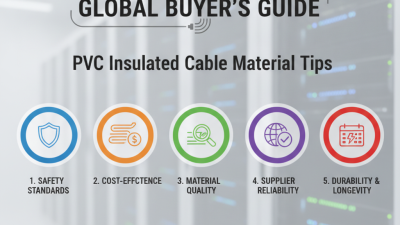
Select cables with proper certifications. Look for standards like UL or IEC. This guarantees safety and quality. Consider your long-term needs. Are you planning for expansion or upgrades? Choosing the right PVC material is an investment. Balancing flexibility with durability is crucial.
Test various cables in real application scenarios to gain insights about performance over time.
Key Properties of PVC for Electrical Cable Applications
When selecting PVC cable material, understanding its key properties is crucial. PVC, or Polyvinyl Chloride, boasts excellent insulation and durability. It is resistant to moisture, chemicals, and abrasion, making it ideal for various electrical applications. These properties contribute to the safety and longevity of electrical installations.
Choosing the right PVC type matters. Rigid PVC is often used for conduits, while flexible PVC suits cables needing mobility. Consider environmental factors when selecting material. Temperature fluctuations and exposure to elements can impact performance and lifespan. Regular assessments of cable conditions can help avoid unexpected failures.
Tips include checking the temperature ratings of the PVC. Some grades perform better in higher temperatures. Always evaluate your specific application needs. Using the wrong type might lead to insulation breakdown. Be mindful of the cable installation environment. Periodically inspect cables, as wear can go unnoticed until it becomes a significant issue.
Evaluating PVC Cable Performance: Temperature and Voltage Ratings
When selecting PVC cable materials, understanding temperature and voltage ratings is essential. These ratings determine how well the cable can perform in various environments. PVC cables are widely used for their flexibility and durability. However, their effectiveness can vary based on their temperature resistance. For instance, cables rated for higher temperatures can withstand extreme heat without degrading, making them suitable for industrial applications.
Voltage ratings are equally important. A cable's voltage rating indicates the maximum voltage it can handle safely. Exceeding this limit can lead to insulation failure or short circuits. For home wiring, lower voltage ratings may suffice. However, in industrial settings, higher ratings are often necessary. Selecting the right voltage ensures safety and prevents costly electrical failures.
Keep in mind that not all PVC cables are created equal. Some may have lower heat resistance or inadequate voltage ratings for your specific needs. It’s crucial to evaluate these factors critically. Also, consider the specific application environment—cables exposed to moisture may require additional protection. Balance your current and future needs to make an informed choice in cable selection.
Comparing PVC Cable Durability: Flexibility, Resistance, and Lifespan
When selecting PVC cable materials, durability is crucial. Flexibility, resistance, and lifespan significantly influence the choice. For instance, a report by the International Electrotechnical Commission notes that PVC cables can maintain functionality in temperatures ranging from -40°C to 70°C. This temperature range demonstrates remarkable flexibility and makes PVC suitable for various applications.
Resistance to chemicals and abrasion is another key factor. Studies indicate that PVC cables resist acids and alkalis quite well, enabling their use in industrial settings. However, prolonged exposure to harsh chemicals may cause degradation. According to the National Electrical Manufacturers Association, the average lifespan of PVC cabling is 20-30 years, but environmental factors can impact longevity. The importance of understanding these variables cannot be overstated, as even minor oversights can lead to early cable failure.
Ultimately, the choice of PVC cable hinges on specific project requirements. While PVC offers various advantages, it is essential to consider the environment where cables will be used. Longevity and flexibility are paramount. Understanding the balance between these factors can guide better decision-making.
Selecting the Right PVC Cable: Compliance and Industry Standards
When selecting PVC cable materials, compliance with industry standards is paramount. Regulations such as the National Electrical Code (NEC) ensure that cables meet safety requirements. Understanding these standards helps reduce risks in electrical installations. For many, navigating these regulations can be daunting.
Evaluating the specifications of PVC cables is essential. Consider factors like temperature ratings, insulation types, and fire-resistance properties. These features influence the cable's performance in various environments. It's common to overlook the importance of environmental factors. Humidity, for instance, can impact cable longevity and effectiveness.
Awareness of certifications is also critical. Certifications indicate that the materials have undergone rigorous testing. These ensure reliability and safety, which is crucial for peace of mind. However, not every product boasts these and that can lead to uncertainty. Therefore, thorough research is necessary. Always question the claims made by manufacturers.
How to Choose the Best PVC Cable Material for Your Needs?
| Cable Type |
Applications |
Temperature Range (°C) |
Compliance Standards |
Voltage Rating (V) |
| PVC Insulated Cable |
Residential wiring, lighting |
-10 to 70 |
BS 6004, IEC 60227 |
300/500 |
| Low Smoke Zero Halogen (LSZH) |
Public transport, commercial buildings |
-20 to 90 |
IEC 60754, EN 50267 |
450/750 |
| Flexible PVC Cable |
Industrial and automotive applications |
-15 to 70 |
UL 62, IEC 60227-5 |
300/300 |
| Armored PVC Cable |
Underground installations, outdoor use |
-25 to 90 |
IEC 60502, ANSI/ICEA S-94-649 |
600/1000 |