How to Choose the Right Photovoltaic Insulation Cable Material for Your Project?
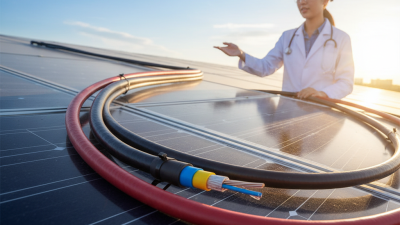
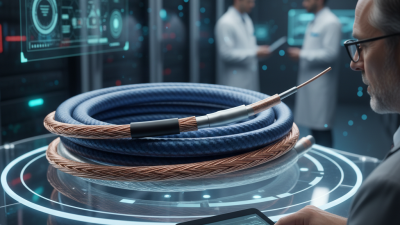
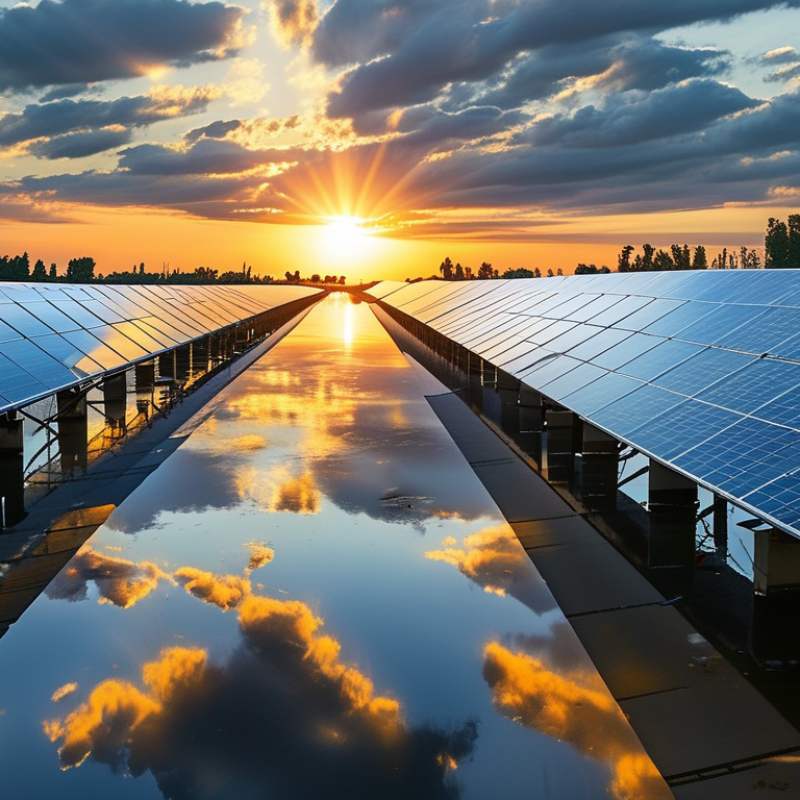
Choosing the right photovoltaic insulation cable material is crucial for any solar project. The effectiveness and longevity of solar installations depend significantly on the materials used. Photovoltaic insulation cable material must withstand harsh environmental conditions. These materials protect against moisture, heat, and UV radiation.
Selecting the appropriate insulation material can be daunting. Factors such as thermal resistance, mechanical strength, and chemical stability should be considered. Many professionals overlook these essential qualities. This can lead to costly issues down the line. A thorough understanding of different insulation types available in the market will help.
In this discussion, we aim to clarify these complexities. We will explore various materials and their specific advantages. By providing practical insights, we hope to enhance decision-making processes for installers and project managers. Understanding the intricacies of photovoltaic insulation cable material can greatly impact your project's success and sustainability.
Understanding Photovoltaic Insulation Cable Materials
When selecting photovoltaic insulation cable materials, understanding their properties is crucial. Different materials offer unique benefits and limitations. For instance, polyvinyl chloride (PVC) is often chosen for its cost-effectiveness and flexibility. However, it may not perform well under extreme temperatures. On the other hand, cross-linked polyethylene (XLPE) is more durable and can withstand harsh environmental conditions.
Another key consideration is UV resistance. Exposure to sunlight can degrade certain materials over time. Polyethylene cables perform well in this regard, ensuring longevity. Additionally, the thickness of insulation is essential for safety and performance. Thicker insulation typically means better resistance to mechanical damage.
However, budget constraints often lead to compromises. It's vital to reflect on whether short-term savings outweigh potential long-term costs. Even minor choices in cable materials can lead to failures down the line. Understanding the specific needs of your project and the environment will guide informed decisions. Not all materials suit every application, so thorough evaluation is important.
Key Properties of Effective Insulation Materials
When choosing the right photovoltaic insulation cable material, understanding the key properties of insulation materials is crucial. Effective insulation should have excellent thermal stability. According to a report by the Solar Energy Industries Association, materials that can withstand temperatures from -40°C to 90°C are ideal for most installations. This thermal range ensures that the cable performs optimally in varying environmental conditions.
Another critical property is electrical resistance. High-quality insulation materials should have a dielectric strength of at least 20 kV/mm. This measure indicates how well the material can prevent electrical leakage. A study published in the Journal of Electrical Engineering highlighted that lower dielectric strength can lead to energy losses and increased maintenance costs.
Durability is equally essential. Insulation materials must withstand UV exposure and moisture ingress. Research shows that materials showing resistance to these factors can extend operational life by up to 30%. It's also necessary to reflect on potential weaknesses, such as the risk of brittleness over time. A careful evaluation of these properties helps ensure the longevity and efficiency of photovoltaic systems.
Comparing Common Types of Photovoltaic Insulation Materials
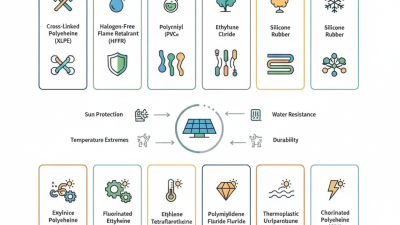
Choosing the right photovoltaic insulation cable material can significantly influence the efficiency and longevity of solar projects. Common materials include cross-linked polyethylene (XLPE), polyvinyl chloride (PVC), and ethylene propylene rubber (EPR). Each has unique characteristics that suit various applications.
XLPE is known for its high thermal resistance and ability to withstand harsh environmental conditions. It can handle temperatures up to 90°C and is resistant to moisture. According to the International Electrotechnical Commission (IEC), XLPE cables can improve overall energy yield due to their lower heat generation. Meanwhile, PVC offers good electrical insulation but may degrade under prolonged exposure to UV light.
When deciding, consider installation details and site conditions. EPR is flexible, making it ideal for dynamic environments, but might not provide the same temperature rating as XLPE. Be wary of using incompatible materials that may lead to reduced performance and increase maintenance costs.
Tips: Always check the temperature ratings of the cable. Ensure the insulation material can withstand local weather conditions. Consult industry reports for reliable data as these sources can offer insights into material performance over time. Comparing these factors can guide choices towards optimal energy efficiency.
Assessing Environmental Factors for Material Selection
When selecting photovoltaic insulation cable materials, assessing environmental factors is crucial. Different climates and locations can significantly impact performance. For example, coastal areas with high humidity may lead to faster degradation of certain materials. The salt in ocean air can corrode less resistant cables.
Alternatively, regions with extreme temperatures may require materials that can handle thermal expansion and contraction without losing integrity.
Material flexibility is another consideration. Rigid materials might crack or break under stress, especially in areas subject to temperature fluctuations or physical movement. Understanding the specific environmental conditions helps in making an informed choice. For instance, UV exposure in sunny regions can deteriorate some materials if they're not properly formulated for outdoor use. It’s essential to consult with experts familiar with local conditions to select the best suited materials.
In some cases, the absence of a perfect option may lead to compromises. You may find a cable that performs well in temperature but not in moisture resistance. Reflecting on these choices is vital. Think about the long-term implications on project viability. The environment should guide decisions, as wrong choices can lead to failures down the line. Balancing all factors will help in determining the ideal photovoltaic insulation cable material for your specific project.
Installation and Safety Considerations for Insulation Cables
When selecting photovoltaic insulation cable materials, installation and safety considerations are paramount. Proper insulation ensures the longevity and efficiency of solar power systems. According to a report from the Solar Energy Industries Association (SEIA), poor insulation can lead to energy losses of up to 15%. This statistic highlights the importance of using high-quality materials for insulation cables.
Installers should prioritize UV resistance and flexibility in cable materials. Flexible cables are easier to handle and install in tight spaces, reducing installation time. Moreover, materials that resist UV degradation help prevent insulation breakdown. A 2022 study indicated that insulation cables exposed to sunlight without proper UV protection could become brittle after just five years. Regular checks of cable condition can prevent costly replacements.
Tips: Always ensure cables meet industry standards such as UL 4703. Use testing methods to confirm insulation integrity. Be mindful of the environment where cables are installed. Harsh weather can impact performance. A proactive approach to maintenance, like regular inspections, leads to safer installations. Remember, the choices made in insulation can significantly affect system performance and safety. Regular training for installation teams is essential to ensure best practices are followed.