How to Choose the Right Cable Material in 2026
Choosing the right Cable Material in 2026 is not a branding exercise. It is a decision about heat, moisture, movement, chemicals, and service life. A cable routed through a warm factory ceiling faces different demands from one buried outdoors or flexed repeatedly beside machinery. Get the match wrong, and the insulation may harden, crack, or wear sooner than expected. Small details matter.
Materials scientist Michael F. Ashby is known for systematic materials selection. A concise paraphrase of his approach is: “Match material properties to the job they must do.” This is not a verbatim quotation. It is a useful starting point for comparing copper and aluminum conductors, or insulation options such as PVC, XLPE, and halogen-free compounds. Each offers trade-offs in conductivity, weight, temperature tolerance, flexibility, and cost. No material wins every comparison.
This guide explains how to assess those trade-offs for real installations in 2026. Check the operating temperature, installation route, expected movement, and exposure to water or abrasion. Then compare product specifications and manufacturer data, rather than relying on a material name alone. A jacket that looks robust in a sample can still be wrong for a tight bend or an oily workspace. That part is easy to overlook. The best choice depends on the actual application, and sometimes the available product data leaves room for doubt. Where conditions are unclear, confirm requirements with a qualified cable engineer or supplier before specifying the cable.
Define the Cable’s Purpose, Load, and Installation Conditions
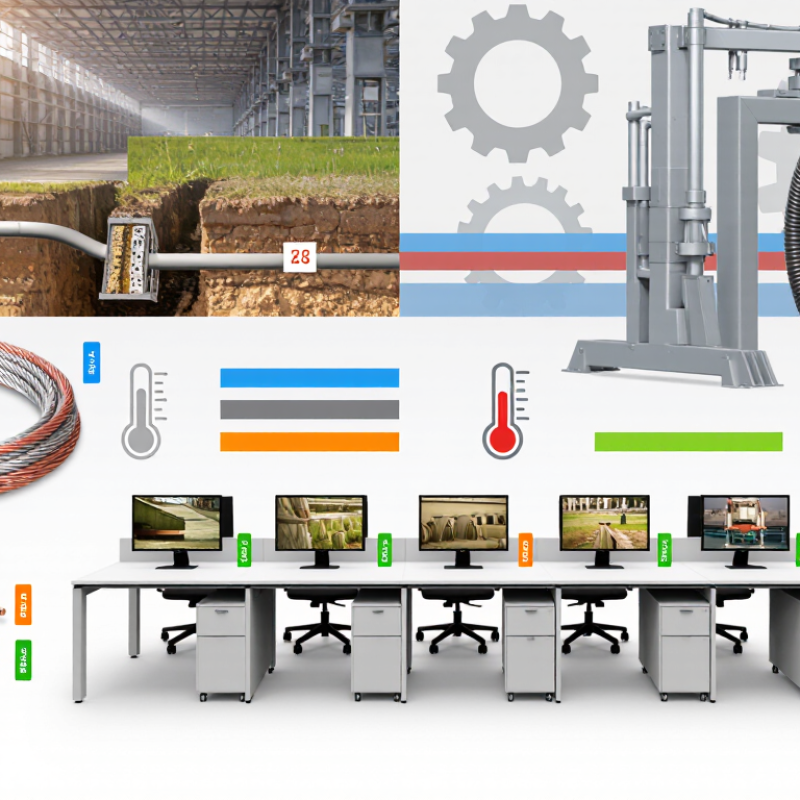
Define the cable’s job before comparing materials. Is it feeding a steady lighting circuit, a motor with startup surges, or equipment that moves repeatedly? Start with the load. Record operating current, voltage, run length, and duty cycle; a long route can make voltage drop as important as conductor heating. Leave room for uncertainty: real loads do not always match the neat figures on a design sheet.
The Aluminum Association’s Aluminum Electrical Conductor Handbook gives aluminum conductivity as about 61% of copper’s for equal cross-sectional area. That is a useful comparison, not a direct sizing rule: aluminum often needs a larger conductor to meet the same electrical performance. Check the applicable ampacity tables and terminal ratings, and confirm the connection method is approved for the chosen conductor. A warm, loose termination can undermine an otherwise sound cable choice.
Now inspect the route. Note wet areas, sunlight, chemicals, vibration, tight bends, and whether several cables share a conduit. These conditions affect insulation choice, mechanical protection, and allowable current. Measure the route. A cable that works on a test bench may fail in a hot ceiling void or beside a vibrating pump. Record the actual installation details before final sizing, then have a qualified electrical professional verify the design against the relevant standards.
How to Choose the Right Cable Material in 2026
Define the Cable’s Purpose, Load, and Installation Conditions
Copper is the 100% IACS reference; aluminum has approximately 61% of copper’s conductivity by cross-sectional area. Aluminum conductors generally need a larger cross-section to achieve comparable resistance. Conductivity alone does not determine safe load: confirm ampacity, voltage drop, insulation temperature rating, installation method, and applicable electrical codes for the specific cable.
Compare Conductor Materials for Performance and Cost
Copper and aluminum are the main conductor choices, and their trade-offs show up in both performance and price. Copper conducts electricity better, so a cable may use a smaller conductor for a given load. It is also heavier and often costs more per metre. Aluminum is lighter and typically less expensive, but usually needs a larger cross-section to carry the same current. Weight matters.
For a short indoor run, copper’s compact size and familiar termination practices may justify its higher purchase price. For a long feeder or a project with strict weight limits, aluminum can reduce material and handling costs. Compare the complete installation, not just the cable quote: larger cable may need more space, and terminals must be rated for the conductor material. Check current capacity against the applicable cable tables, insulation temperature rating, installation method, and local requirements. A low initial price can be persuasive, but it is not the whole story.
Tips: Compare cost per installed metre, including compatible lugs and labor. Confirm the required conductor size before ordering. If the choice still looks close, revisit your load assumptions; small errors there can change the result.
How to Choose the Right Cable Material in 2026 — Compare Conductor Materials for Performance and Cost
Selection note: IACS percentages are approximate reference values at 20°C, with annealed copper defined as 100%. Material costs are broad relative comparisons, not fixed 2026 prices; market prices fluctuate. For a real installation, select cable using the applicable electrical code, required ampacity, voltage drop, operating temperature, installation conditions, and approved terminations.
Select Insulation and Jacket Materials for the Environment
Choosing cable materials starts with the actual environment, not a general-purpose label. Insulation surrounds each conductor and helps control electrical and thermal performance. The outer jacket faces moisture, sunlight, abrasion, and chemicals. They do different jobs. Small details matter.
For a damp outdoor run, check whether the insulation and jacket are rated for water exposure and ultraviolet light. In a warm enclosure, compare the cable’s continuous temperature rating with expected operating conditions. PVC can suit many indoor installations, while polyethylene often offers useful moisture resistance. XLPE handles higher temperatures in many designs, but its suitability still depends on the cable specification. For moving equipment, look for a jacket designed for repeated flexing; a tough but stiff material may crack sooner under constant bending. Chemical contact needs special care. One solvent can affect materials very differently from another.
I have seen material names treated like guarantees. They are not. Check the manufacturer’s datasheet for temperature range, bend radius, flame performance, and chemical compatibility. Also consider the installation itself: a cable pulled across a sharp tray needs abrasion resistance, while a sunlit rooftop needs weathering protection. A neat-looking spec sheet can still hide a poor fit. Compare the stated conditions with the real route, and ask for application-specific guidance when exposure is uncertain.
Check Safety Standards, Compatibility, and 2026 Requirements
How to Choose the Right Cable Material in 2026
Check Safety Standards, Compatibility, and 2026 Requirements
Choosing cable material starts with the installation, not the catalogue. Copper offers strong conductivity and compact connections; aluminum can reduce weight but needs correctly rated terminals. Match insulation to heat, moisture, chemicals, movement, and fire exposure. PVC, XLPE, and low-smoke, halogen-free compounds suit different conditions; none is best everywhere. Check voltage, temperature, ampacity, and connector compatibility together. A cable that fits the load but not the terminal is still a poor choice.
Requirements depend on location and application. Confirm the current local electrical code and project specification, then check relevant cable tests and approvals. IEC 60332 covers flame-propagation testing, while IEC 60502 addresses certain power cables with extruded insulation. These standards do not replace local rules.
The IEA’s Electricity 2024 report projected global electricity demand growth averaging about 3.4% annually through 2026. That growth makes careful load planning more important, but it does not justify oversizing without engineering review.
Labels help. Verify them. Product documentation should identify conductor material, insulation type, rated conditions, and test evidence. Gaps in paperwork deserve a second look.
Tips: Photograph the route, note ambient temperature, and check terminal markings before ordering. Compare cable data with actual installation conditions, including conduit fill and exposure to sunlight. Ask a qualified electrical professional to confirm the final selection; small details are easy to miss.
Balance Service Life, Maintenance, and Total Ownership Cost
How to Choose the Right Cable Material in 2026
Balance Service Life, Maintenance, and Total Ownership Cost
Cable material affects more than the purchase price. Copper offers strong conductivity and compact connections, but its higher initial cost may not suit every run. Aluminum can reduce conductor weight and material expense, yet terminations require careful sizing and installation. Check the equipment specifications and have a qualified engineer verify the design.
The operating environment matters just as much. In a warm plant room, insulation may age faster if cable runs sit near heat sources. Damp areas, sunlight, vibration, and repeated movement also influence material and sheath selection. A cable that fits the load on paper can still disappoint when its surroundings are overlooked. Details matter.
Estimate ownership costs across the expected service life. Include installation labor, inspection access, energy losses, repairs, and the cost of replacing a failed section. For example, a cable routed above a crowded ceiling may take hours to inspect or replace. A slightly higher upfront cost could be worthwhile if it reduces that disruption, though the savings are not guaranteed.
Maintenance plans should reflect actual conditions, not just a calendar. Look for discoloration, loose supports, damaged jackets, or unusual heat during scheduled inspections. Keep records of faults and repairs; patterns can reveal whether the material, route, or installation needs review. No spreadsheet catches everything. Sometimes the practical choice is less elegant than expected, and that deserves a second look.