Leave Your Message

What Is Sheath Cable Material and How to Choose It?

Choosing the right cable jacket is not a cosmetic decision. It affects safety, service life, installation speed, and maintenance costs. Sheath Cable Material protects conductors from moisture, abrasion, chemicals, sunlight, heat, and mechanical stress. A cable dragged across a factory floor faces different risks from one buried outdoors or installed inside a control cabinet.

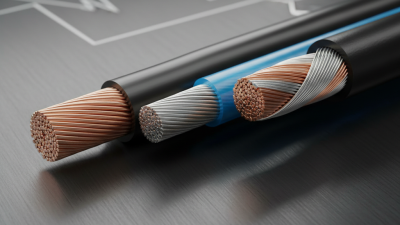
Common options include PVC, polyethylene, LSZH compounds, polyurethane, and rubber-based materials. PVC is widely used because it balances cost, flexibility, and general protection. Polyethylene performs well against moisture and weather, but it may not suit every fire-performance requirement. LSZH materials can reduce smoke and corrosive gases during a fire, although their mechanical behavior and price deserve careful review. PUR often handles abrasion and oils effectively. Rubber remains useful where repeated movement or temperature changes are severe.

The correct selection starts with the working environment. Check temperature limits, bending radius, oil exposure, UV radiation, water contact, flame behavior, and expected movement. Do not rely on appearance alone. Two black jackets may perform very differently. Product datasheets, test reports, and recognized standards provide stronger evidence than sales wording. Project requirements may reference IEC, UL, CSA, or local specifications, so confirm the applicable standard before ordering.

Real installations can reveal uncomfortable details. A flexible cable may stiffen in cold conditions. A low-smoke jacket may resist abrasion poorly. These trade-offs are easy to miss. This guide explains how to compare sheath materials, read technical claims, and choose a dependable option for each application. No single material wins everywhere.
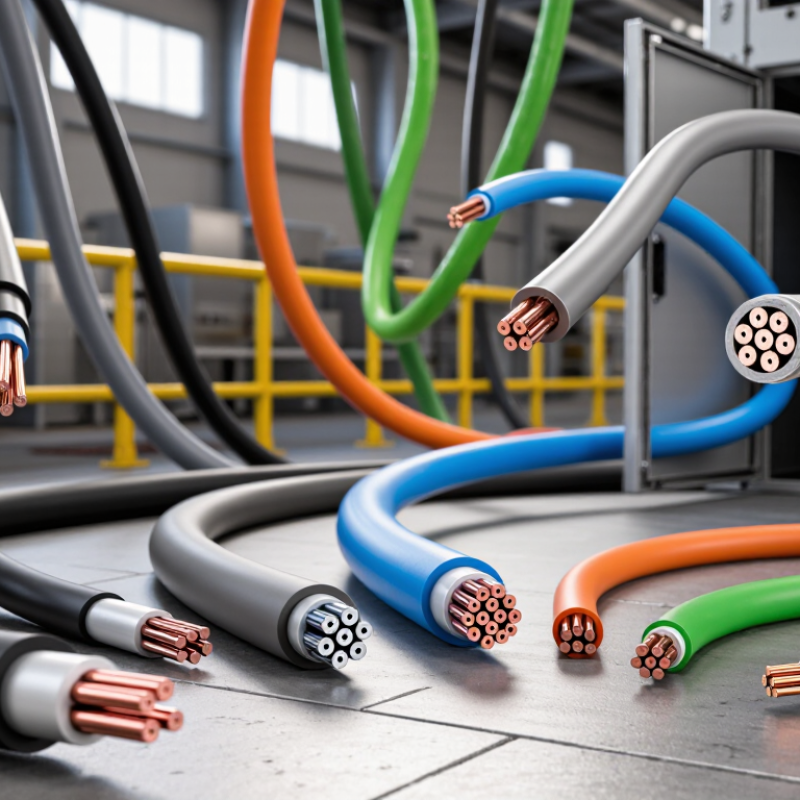
What Is Sheath Cable Material and How to Choose It?

What Is Sheath Cable Material and What Does It Do?

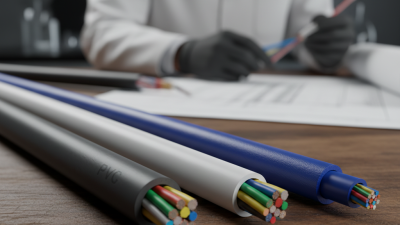
A cable sheath is the outer protective layer surrounding insulated conductors.

It is not the main electrical insulation. Its job is practical: resist moisture, abrasion, chemicals, sunlight, heat, and impact during installation and service.

Common sheath materials include PVC, polyethylene, low-smoke zero-halogen compounds, polyurethane, and rubber. PVC offers balanced cost and flame performance. Polyethylene performs well outdoors because it absorbs little water. Low-smoke zero-halogen materials can reduce corrosive smoke in occupied buildings, although they may need stronger mechanical protection. Polyurethane suits moving cables and harsh industrial areas. Rubber remains useful where flexibility and heat resistance matter.

The International Energy Agency’s Electricity 2024 report projects global electricity demand to grow by an average 3.4% annually through 2026. More cables will serve crowded buildings, renewable sites, and exposed infrastructure. Sheath selection therefore needs evidence, not habit. IEC 60502-1 provides construction and test requirements for many power cables, but local conditions still control the final choice. A mistake here may stay hidden until water enters a damaged jacket.

Tips: Match the sheath to the environment first. Check temperature, UV exposure, oil contact, bending cycles, fire requirements, and installation force. Ask for test results, not vague “industrial grade” claims. A thicker sheath is not automatically better. It can increase stiffness and complicate handling. The right material is sometimes less obvious—and worth reviewing with a qualified cable engineer.
Which Materials Are Commonly Used for Cable Sheaths?

A cable sheath is the outer protective layer surrounding insulation and conductors. It faces moisture, sunlight, abrasion, chemicals, and mechanical stress. Common sheath materials include PVC, polyethylene, LSZH compounds, PUR, and rubber-based elastomers.

PVC remains popular because it is economical, easy to process, and offers useful flame resistance. However, it can release corrosive gases during burning. Polyethylene, especially HDPE, performs well in wet soil and direct-burial applications. It also resists moisture effectively, but its flame performance needs careful evaluation. LSZH compounds reduce smoke and halogen acid emissions. IEC 60754 and IEC 61034 provide recognized test methods for these properties. PUR suits moving industrial cables because it resists abrasion, oils, and repeated bending. Rubber sheaths remain valuable in flexible, high-temperature, or outdoor environments. No material is perfect. Cost, flexibility, fire behavior, and service life often conflict.

The IEA Electricity 2024 report forecasts global electricity demand growth of about 3.2% annually through 2026. This expansion increases pressure on cable reliability and installation quality. IEC 60502-1:2021 should guide voltage, construction, and performance checks. Field experience also shows that selecting only by price can create early cracking or excessive stiffness.

Tips: Match the sheath to the environment first. Check UV exposure, water, oil, bending, temperature, and fire requirements. Ask for tested data, not vague “industrial grade” claims. Reconsider the choice after installation conditions change.

How Do Sheath Materials Differ in Performance and Protection?

What Is Sheath Cable Material and How to Choose It?

Sheath materials differ in heat resistance, flexibility, moisture protection, and fire behavior. Polyvinyl chloride remains practical for general indoor wiring. It is flexible, economical, and reasonably resistant to abrasion. However, it can release dense smoke and corrosive gases during fire. Polyethylene performs better against water and ultraviolet exposure. Cross-linked polyethylene tolerates higher operating temperatures, but it can feel stiffer during installation. Low-smoke, halogen-free compounds reduce toxic and corrosive emissions. They may cost more and sometimes resist bending less effectively.

Standards provide measurable evidence. IEC 60332-1-2 uses a 1 kW flame test for vertical flame spread. IEC 60754 evaluates acidic gas and halogen emissions. IEC 61034 measures smoke density through light transmittance. These tests do not make one material universally superior. A factory floor needs oil and abrasion resistance. A tunnel needs smoke control. Outdoor cable needs water and sunlight protection. Simple rankings fail here.

The IEA’s Electricity 2024 report projected data-centre demand could rise from about 415 TWh in 2024 to over 945 TWh by 2030. More energized infrastructure means greater attention to cable fire performance and service life. Field inspections often find damaged sheaths near sharp trays and hot motors. The material choice looked correct on paper. Installation conditions proved otherwise. Review temperature, bending radius, chemicals, moisture, and fire requirements together. Sometimes the safest choice is not the most expensive compound.

What Is Sheath Cable Material and How to Choose It? - How Do Sheath Materials Differ in Performance and Protection?

Performance Dimension PVC PE XLPE LSZH Polyolefin PUR / TPU Neoprene / CR
Material Type Thermoplastic vinyl compound Thermoplastic polyethylene compound Cross-linked polyethylene compound Halogen-free, low-smoke polyolefin compound Polyurethane or thermoplastic polyurethane compound Chloroprene rubber compound
Typical Temperature Capability Commonly about −20°C to +70°C for general-purpose cable jackets; special compounds can reach higher ratings Commonly about −40°C to +75°C; the exact rating depends on the compound and cable design Often about −40°C to +90°C for rated power-cable applications Commonly about −30°C to +90°C, depending on formulation and certification Often about −40°C to +80°C or higher for specialized flexible compounds Commonly about −40°C to +90°C, depending on the formulation
Flexibility Medium
Flexible grades are available for moving cables
Low to Medium
Usually less flexible than PVC or PUR at low temperatures
Low to Medium
Primarily selected for electrical and thermal performance
Medium
Flexible formulations are available for building and transport systems
High
Well suited to repeated bending and drag-chain movement
High
Rubber-like flexibility over a broad temperature range
Mechanical Protection Good
Suitable for general indoor and outdoor service
Good
Good resistance to moisture and many environmental stresses
Good
Strong thermal stability, but not normally chosen for high abrasion alone
Good
Protection depends strongly on the compound and wall thickness
Excellent
Very strong resistance to abrasion, tearing, and repeated flexing
Excellent
Good resistance to impact, abrasion, and outdoor handling
Oil and Chemical Resistance Low to Medium
Oil-resistant PVC grades are available, but standard PVC may soften or swell
Good
Resistant to water and many chemicals; performance varies with solvents and oils
Medium
Strong electrical insulation, but the outer jacket determines chemical resistance
Medium
Formulation-specific; verify resistance to oils, fuels, and cleaning agents
Excellent
Generally strong resistance to oils, greases, fuels, and industrial chemicals
Good
Good resistance to weathering and many industrial fluids
Water and Moisture Resistance Good
Suitable for many wet locations when the cable construction is properly sealed
Excellent
Very low moisture absorption and strong resistance to water
Excellent
Low water absorption and stable insulation performance
Good
Typically suitable for indoor and many public-building applications
Excellent
Well suited to wet, outdoor, and industrial environments
Excellent
Performs well in damp and outdoor conditions
UV and Weather Resistance Medium
Black, stabilized grades generally perform better outdoors
Excellent
Black carbon-black-filled PE is widely used for outdoor and buried cables
Medium
May require a weather-resistant outer compound or additives
Medium
Outdoor performance depends on UV stabilizers and formulation
Good to Excellent
Suitable grades provide strong outdoor durability
Excellent
Commonly used where flexibility and outdoor resistance are required
Flame and Smoke Behavior Can be flame-retardant
Contains chlorine and may produce dense smoke and corrosive gases when burning
Usually limited
Standard PE is combustible and requires a suitable flame-retardant formulation
Formulation-dependent
Cross-linking improves thermal performance but does not by itself make a cable flame-retardant
Low smoke, halogen-free
Designed to reduce smoke and corrosive halogen gases during fire
Formulation-dependent
Special grades can meet flame-retardant requirements
Formulation-dependent
Check the cable’s tested fire-performance classification
Electrical Insulation Good
Reliable insulation for many low- and medium-voltage cable designs
Excellent
Low dielectric loss and high insulation resistance
Excellent
Strong thermal and electrical performance for power cables
Good
Electrical performance depends on the specific polyolefin compound
Good
Usually selected as a protective jacket rather than primary insulation
Good
Commonly used as a flexible protective jacket
Common Applications Building wiring, control cables, appliance cables, general industrial wiring Outdoor, buried, telecommunication, service-entry, and moisture-exposed cables Power cables requiring higher conductor operating temperatures Public buildings, transportation, tunnels, data facilities, and evacuation-sensitive areas Robotics, drag chains, industrial automation, mining, and severe-duty flexible cables Portable power cables, construction equipment, outdoor machinery, and industrial service cords
Main Advantages Cost-effective, versatile, processable, and available in many flame-retardant grades Excellent moisture resistance, low water absorption, and strong outdoor durability High temperature capability and stable electrical insulation properties Reduced smoke and no halogen-based corrosive gases during combustion Outstanding flexibility, abrasion resistance, and industrial durability High flexibility, good weather resistance, and strong mechanical protection
Main Limitations Standard grades may have limited oil and low-temperature performance; burning can release corrosive gases Can be less flexible and may require flame-retardant additives for indoor applications Usually less suitable as a highly flexible outer jacket without a dedicated jacket material May have lower oil, abrasion, or low-temperature performance than specialized PUR or rubber compounds Usually costs more than PVC and may require compound-specific fire testing Can be heavier and more expensive than common thermoplastic jackets
Selection Guidance Choose for general-purpose installations where cost, availability, and standard flame performance are priorities Choose for outdoor, buried, or wet environments where low moisture absorption is important Choose when conductor operating temperature and electrical insulation stability are critical Choose for occupied public spaces where smoke and halogen-free fire behavior are required Choose for continuous motion, severe abrasion, oils, and demanding industrial environments Choose for flexible outdoor service where impact, weather, and mechanical durability are important

Note: Temperature ranges and performance ratings are typical industry ranges, not universal limits. The final selection should be based on the complete cable construction, conductor temperature rating, installation method, required electrical and fire standards, chemical exposure, bending cycles, and the manufacturer’s tested data.

What Factors Should Guide Your Sheath Material Selection?

A cable sheath is the outer protective layer surrounding insulated conductors. It resists abrasion, moisture, chemicals, sunlight, and mechanical stress. Common materials include PVC, polyethylene, polyurethane, and low-smoke zero-halogen compounds. Each option solves a different problem.

The installation environment should guide your selection. Indoor power cables may need flame resistance and low smoke emission. Outdoor cables often require UV stability, waterproofing, and resistance to temperature changes. In factories, oil, solvents, vibration, and sharp edges can damage a weak sheath quickly. Polyurethane handles repeated movement well, while polyethylene performs reliably in damp environments. PVC can offer balanced cost and flexibility, but its performance varies by formulation.

Temperature ratings deserve careful attention. A sheath that survives normal operation may harden during winter or soften near heat sources. Check continuous and short-term temperature limits in the technical datasheet. Also review tensile strength, elongation, bending radius, and resistance test results. Do not rely on appearance alone. It can mislead.

Fire safety requirements may influence the choice in public buildings, transport areas, or enclosed spaces. Verify the applicable testing standards for your project and confirm the complete cable construction, not only the sheath. A compliant sheath can still fail when installation tension, moisture, or bending exceeds design limits. Field conditions are often messier than laboratory tests. A trial installation, inspection after movement, and consultation with a qualified cable engineer can expose weaknesses before full deployment.

How Can You Match Sheath Materials to Specific Applications?

What Is Sheath Cable Material and How to Choose It?

Matching sheath material to the application starts with heat, movement, moisture, and fire exposure. PVC suits fixed indoor wiring because it is economical and commonly rated around 70°C. XLPE handles higher conductor temperatures, often up to 90°C under IEC 60502-1 conditions. That difference matters inside crowded trays, where heat cannot escape easily.

Do not choose by price alone.

Outdoor cables need stronger protection. PE and HDPE resist water and ultraviolet exposure better than standard PVC, but they can perform poorly near fire sources. For tunnels, stations, and enclosed public areas, LSZH compounds are usually more suitable. IEC 60754-1 testing commonly limits halogen acid gas below 0.5%, while IEC 61034-2 evaluates smoke visibility. Less smoke helps people find exits.

It is not a perfect fire solution.

Flexible machinery cables need another approach. TPU or PUR sheaths tolerate repeated bending, abrasion, and contact with oils better than ordinary PVC. In chemical areas, fluoropolymer materials may provide stronger resistance, but they cost more and can be less flexible. Check the actual fluid, temperature, bend radius, and cleaning method.

A 2024 IEC 60287-based thermal assessment can reveal whether the selected sheath and installation allow safe heat dissipation.

Field experience still matters. A cable may pass laboratory tests yet fail after years of dragging, crushing, or sunlight. Always compare test data with the real installation, and question assumptions before approval.