10 Tips for Choosing the Right Pe Cable Material for Your Needs?
Choosing the right PE cable material is crucial for any project. It impacts durability, safety, and overall performance. Many factors influence this decision, including environmental conditions and specific application needs. Selecting an appropriate PE cable material can lead to more efficient operations and longer life for your installations.
Understanding the unique properties of different materials is essential. Some cables are designed for outdoor use, while others excel indoors. The right choice protects against moisture, UV rays, and other challenges. It's vital to consider the environment where the cables will be installed. This can often lead to confusion and requires careful thought.
Many people make hasty decisions, prioritizing cost over quality. However, this can result in performance issues and increased expenses in the long run. Investing in the right PE cable material can save you time and money. Take the time to assess your needs carefully. Reflect on your choices to ensure they align with your long-term goals.
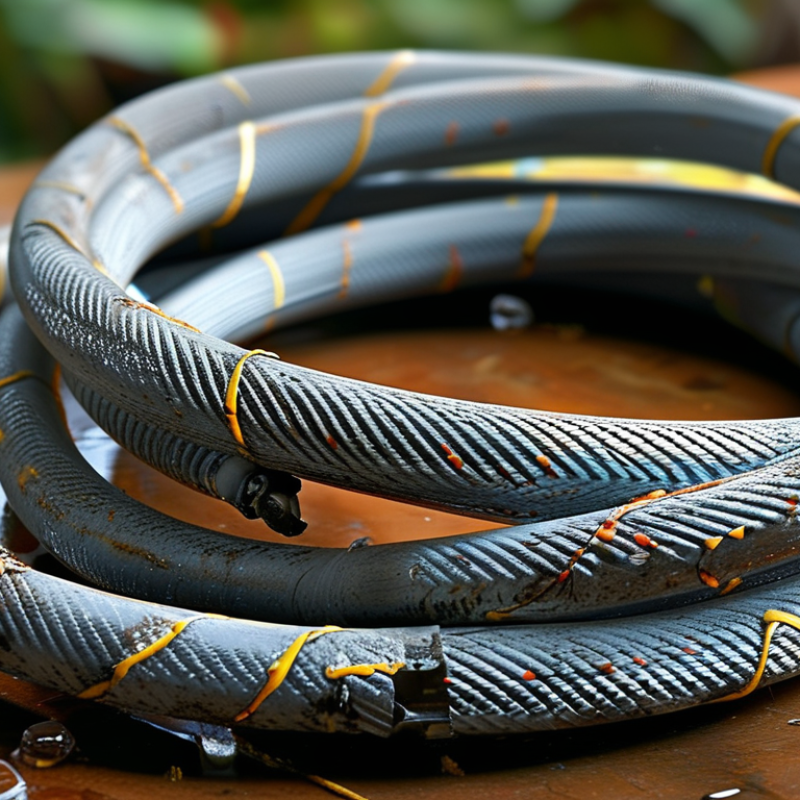
Understanding the Different Types of PE Cable Materials Available
When selecting the right polyethylene (PE) cable material, understanding the various types is crucial. PE cables are often categorized into low-density polyethylene (LDPE) and high-density polyethylene (HDPE). LDPE provides flexibility and is commonly used for insulation. Its low tensile strength may not be suitable for all applications. HDPE, on the other hand, is more robust and resistant to chemicals and moisture. It’s favored for underground installations due to its durability.
A report from the International Electrotechnical Commission indicates that LDPE cables account for about 30% of the global market share, while HDPE materials dominate with nearly 60%. This underscores the preference for more resilient options, especially where environmental factors play a critical role. Some users overlook factors such as temperature range and UV resistance in their selection process, which could lead to premature cable failure.
Additionally, consider the application’s specific requirements. For instance, cables used in outdoor settings need materials with UV protection. Many engineers have experienced issues with inferior PE materials when environmental conditions are not thoroughly evaluated. While the market offers a range of choices, understanding the intricacies of each type is essential for long-term performance.
Factors to Consider When Selecting PE Cable Materials
When selecting PE cable materials, several critical factors come into play. Understanding the specific application environments is crucial. For instance, cables in underground installations require materials with high moisture resistance. Research by the Institute of Electrical and Electronics Engineers (IEEE) indicates that moisture-related failures account for over 30% of cable issues. This statistic highlights the need to prioritize cable materials that can withstand environmental stressors.
Another important aspect is the thermal characteristics of the PE material. Temperature fluctuations can lead to degradation over time. According to a report by the International Electrotechnical Commission (IEC), improperly rated cables can lose up to 25% of their lifespan in extreme thermal conditions. Choosing materials with appropriate thermal properties ensures durability and longevity.
Lastly, consider the mechanical strength of the cable. PE materials differ significantly in tensile strength, impacting their performance in high-load scenarios. An analysis from the Cable and Wire Manufacturers Association shows that cables rated for higher tensile strength can reduce installation-related failures by up to 40%. Weighing these factors against specific project needs can be challenging. It's essential to gather all available data and consult with experts in the field for informed decision-making.
Evaluating Performance Characteristics of PE Cables
When selecting the right polyethylene (PE) cable material, performance characteristics hold great importance. The insulation strength of PE cables is crucial, with average dielectric strength reported at 20 kV/mm. This indicates a strong capacity to withstand electrical stress, making it suitable for various applications. Resistance to environmental factors is another key factor. PE cables generally show excellent resistance to moisture and chemical exposure, which enhances their long-term reliability.
Thermal performance varies among PE cable types. Low-density polyethylene (LDPE) cables can function efficiently at temperatures up to 80°C. Conversely, high-density polyethylene (HDPE) cables are rated for conditions exceeding 90°C. This difference can impact application suitability. A report from the International Electrotechnical Commission highlights that thermal stability greatly influences durability, particularly in regions with extreme temperatures.
Mechanical properties also play a significant role in performance. PE cables exhibit good flexibility, which aids in installation and reduces breakage risks during handling. However, the tensile strength of PE can vary, with some formulations exhibiting weakness under heavy loads. A study showed that certain PE types might degrade under constant stress, indicating the necessity for careful material selection based on specific application conditions. Understanding these performance characteristics can lead to more informed decisions in cable material selection.
Cost-Effectiveness and Budget Considerations for PE Cables
When selecting PE cable materials, understanding cost-effectiveness is essential. According to industry reports, the global market for PE cables is expected to grow annually by 5.6%. This growth is driven by the increasing demand for durable and lightweight wiring solutions. Budget constraints often dictate material choices, as lower costs can lead to subpar performance or premature failure. Thus, weighing initial expenses against long-term reliability is crucial.
Choosing cheaper PE materials might save money upfront, but it can result in higher maintenance costs. For instance, a report from the Institute of Electrical and Electronics Engineers highlights that using high-quality materials can reduce failure rates by 30%. This suggests that investing in reliable cable options pays off over time. The total cost of ownership, including installation and maintenance, must be considered.
You're not just buying a cable; you're investing in a solution. Testing various materials is vital. Think about the environment in which the cables will operate. Certain materials may degrade faster under specific conditions, leading to unforeseen expenses. Delving into the specifications can reveal surprising insights that could influence your choices.
Cost-Effectiveness of Different PE Cable Materials
Environmental Impact and Durability of PE Cable Materials
When selecting the right polyethylene (PE) cable material, consider its environmental impact and durability. PE cables are widely used due to their strong resistance to moisture and chemicals. This resilience helps extend the lifespan of your installations. However, not all PE materials are created equal. Understanding these differences is crucial for making a wise choice.
Look for PE materials with low environmental impact. Some types are recyclable and have a smaller overall carbon footprint. Evaluate your local recycling options. This will help reduce waste. Selecting sustainable options makes a positive contribution toward a greener future.
Durability is vital for any cable material. Ensure the PE you choose can withstand varying temperatures and mechanical stress. Test the cable's resistance to UV light and weathering. A durable cable will perform better in harsh conditions and save you money over time. Remember, the right choice isn't always the easiest. It requires careful thought about many factors.
10 Tips for Choosing the Right PE Cable Material for Your Needs - Environmental Impact and Durability of PE Cable Materials
| Tip |
Material Type |
Environmental Impact |
Durability |
Recommended Use |
| 1 |
Low-Density Polyethylene (LDPE) |
Low impact; recyclable |
Good for low-stress applications |
Residential wiring |
| 2 |
High-Density Polyethylene (HDPE) |
Moderate impact; durable |
Highly durable under various conditions |
Outdoor applications |
| 3 |
Polyvinyl Chloride (PVC) |
Higher environmental concerns; not biodegradable |
Excellent durability and resistance |
Industrial applications |
| 4 |
Cross-Linked Polyethylene (XLPE) |
Low leaching; good recycling potential |
Exceptional thermal and mechanical properties |
High-voltage applications |
| 5 |
Thermoplastic Elastomer (TPE) |
Recyclable; less environmental impact |
Good flexibility and resilience |
Automotive and flexible applications |