2026 Top PVC Sheath Cable Material Types for Buyers?
Choosing Pvc Sheath Cable Material is not just a matter of comparing prices. Buyers need to match the compound to the cable’s real working conditions. A warehouse control cable may face oil splashes, while an outdoor installation may experience sunlight, rain, and wide temperature changes. The sheath must protect the insulation and conductors without making installation unnecessarily difficult.
PVC compounds vary in plasticizer content, stabilizers, fillers, and other additives. Those differences affect flexibility, abrasion resistance, heat performance, and aging behavior. A softer sheath may bend easily around a tight tray corner, yet prove less suitable where repeated handling or mechanical wear is expected. A harder compound can feel reassuringly robust, but stiffness can complicate routing. Small details matter.
This guide compares common PVC sheath material types and explains what buyers should check in supplier data sheets, test reports, and sample evaluations. Look for stated temperature ranges, weathering performance, flame behavior, and compatibility with the intended environment. Ask how a result was tested. A claim without test conditions tells only part of the story.
A named expert quotation cannot be verified from the material provided, so I will not invent one. That matters. Product selection should rest on traceable evidence, not a polished sentence attributed to an uncertain source. Even a careful comparison has limits: actual service conditions, installation quality, and compound formulation can change performance. The practical choice is the material supported by relevant test evidence and a clear match to the application.
What Is PVC Sheath Material in Cable Construction?
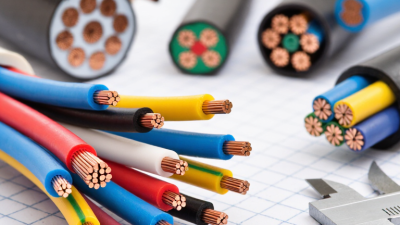
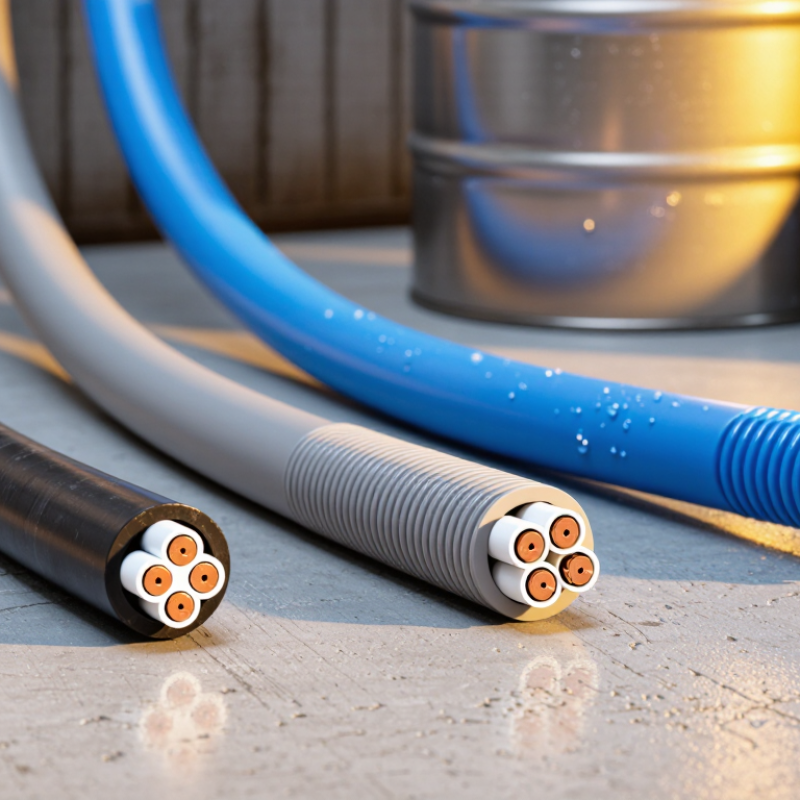
In cable construction, PVC sheath material is the outer protective layer around insulated conductors or a cable core. It is usually a compound based on PVC resin, with plasticizers, stabilizers, pigments, and sometimes fillers. The recipe affects flexibility, color, processing, and resistance to heat or sunlight. Small changes matter. A cable meant for a fixed indoor route may use a different compound from one repeatedly flexed near machinery. The sheath is not the same as conductor insulation; each layer has a different job.
The outer jacket helps resist abrasion, moisture, and everyday contact with tools or building surfaces. Some PVC formulations also provide useful flame-retardant performance, but results depend on the specific grade and test method. Check the cable’s temperature rating and intended environment rather than assuming all PVC behaves alike. A neat datasheet can still leave questions: will the sheath remain flexible in a cold store, or withstand oil splashes beside equipment? Those details deserve checking with the supplier. Feel the sample, too. A sheath that seems suitably tough on a warm bench may be awkward to bend during a real installation.
Which PVC Compound Types Are Used for Cable Sheaths?
PVC cable sheaths commonly use flexible, plasticized PVC compounds. Their formulation balances softness, toughness, processing, and cost. General-purpose compounds suit many indoor cables and routine installation conditions. A finished sheath should bend around a hand-sized curve without cracking or feeling tacky. The exact performance depends on the cable design and specified test conditions.
Specialized PVC compounds address tougher environments. Heat-resistant grades help maintain sheath performance near warm equipment. Cold-resistant grades are designed to stay more flexible in low temperatures. Oil-resistant compounds are used where cables may encounter lubricants or workshop fluids. Flame-retardant formulations can help limit flame spread, but buyers should check the relevant test data rather than rely on the label alone. Weather-resistant options may be suitable for outdoor exposure, depending on the formulation. These categories can overlap, and supplier terminology is not always tidy.
Tips: Ask for the compound’s temperature range, flexibility data, and resistance tests for the actual service environment. Compare the datasheet with the cable specification. “Flexible PVC” alone says little about cold bending or oil exposure. I would also check sample cable after storage; laboratory figures may not capture every installation detail.
How Do PVC Sheath Grades Differ in Performance?
PVC sheath grades differ mainly in heat tolerance, flexibility, and resistance to oil or abrasion.
General-purpose PVC is commonly rated for continuous service near 70°C, while heat-resistant formulations may be rated near 90°C. These figures are typical, not universal; the cable’s datasheet and test conditions matter. More plasticizer can improve flexibility, but may reduce hardness or change performance over time. Cold-weather PVC can bend around a tight corner with less risk of cracking. Still, “flexible” is not a complete specification.
Standards provide useful checks, but they do not rank every compound. IEC 60227-1 covers PVC-insulated cables rated up to 450/750 V, while IEC 60332-1-2 specifies a vertical flame-propagation test using a 1 kW premixed flame. Passing that test does not make a cable fireproof. Buyers should compare stated temperature ranges, oil-resistance test results, and abrasion methods, rather than relying on grade labels alone. Ask for the exact test report and sample conditioning details. That small step can expose a mismatch between a lab result and a cold, oily cable tray. Some datasheets remain vague. It is worth questioning them.
What Standards and Properties Should Buyers Compare?
Buyers should compare PVC sheath compounds against the cable’s voltage class and installation conditions. IEC 60227 covers PVC-insulated cables rated up to 450/750 V. IEC 60502-1 covers power cables rated 0.6/1 kV and 1.8/3 kV. These figures help narrow the specification, but they do not prove a sheath suits every site.
Check the declared compound type, operating temperature, oil resistance, low-temperature flexibility, and flame performance. IEC 60811 provides test methods for properties such as tensile strength, elongation, and ageing. Ask suppliers for test results tied to the exact cable construction, not just a general PVC datasheet. Details matter. A standard test result cannot fully predict years of abrasion beside a sharp tray edge.
Ordinary PVC may suit indoor use, while heat-resistant, oil-resistant, or cold-flexible grades address tougher conditions. Compare the required flame test and environmental exposure too. “Flame-retardant” alone is not enough. I would be cautious about choosing by compound label alone; installation quality can matter just as much, and specifications sometimes leave that awkward detail unclear.
How Can Buyers Select the Right PVC Sheath Material?
Buyers should start with the cable’s actual route, not a generic “PVC” label. A dry indoor control cabinet needs different properties from a cable dragged across a workshop floor. General-purpose PVC suits many fixed indoor installations, while flexible grades can better handle repeated movement. Cold-resistant compounds help reduce brittleness in low temperatures; heat-resistant grades may suit routes near warm equipment. Details matter. Oil, cleaning agents, sunlight, and abrasion can each affect the choice. Do not assume one grade handles every exposure equally well.
Compare the stated temperature range with normal operating conditions and brief peaks. Check the installation temperature, bend radius, service life, and whether the cable will be fixed or flexing. Verify flame-performance and electrical requirements for the complete cable, not just its sheath. Request a current technical datasheet and, for demanding environments, evidence supporting the compound’s stated properties. Supplier wording can sound precise while leaving test conditions unclear. Ask what method, temperature, and duration support each claim. A thicker or tougher sheath may protect better, but it can also make routing harder in a crowded tray. That trade-off is easy to overlook.
A specification can look complete on paper and still leave one practical question: will the cable bend cleanly at the tray entrance?