China Top Photovoltaic Insulation Cable Material Guide for Sustainable Energy?
The rapid growth of the renewable energy sector demands innovative solutions. Photovoltaic Insulation Cable Material is crucial for maximizing the efficiency and safety of solar energy systems. This guide delves into the top materials used for photovoltaic insulation, focusing on their properties and applications.
Selecting the right photovoltaic insulation cable material can be challenging. Many options exist, each with unique benefits and downsides. For instance, some materials may offer excellent thermal protection but lack flexibility. Others may resist environmental factors yet struggle with conductivity. Understanding these trade-offs is essential for engineers and installers alike.
As the world shifts towards sustainable energy, the importance of reliable materials cannot be overstated. The photovoltaic industry depends on advanced insulation materials to ensure long-lasting performance. Keeping abreast of developments in this field is vital for professionals committed to building a greener future. Ultimately, a careful choice in cable material can lead to significant environmental benefits and greater energy efficiency, but the decision-making process must consider each material's specific context and limitations.
Understanding Photovoltaic Insulation Cable Materials in China
In China, the demand for photovoltaic (PV) insulation cable materials is rising. These materials are crucial for the efficiency and safety of solar energy systems. A report from the China Photovoltaic Industry Association highlights that the market for solar cables is expected to grow at a CAGR of 12% from 2021 to 2025. This growth is driven by the country's commitment to sustainable energy.
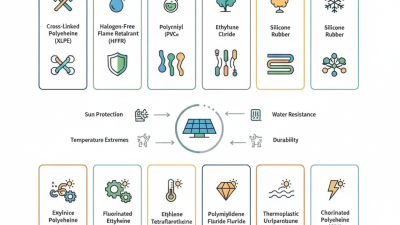
Understanding the insulation materials used in PV cables is essential. Common materials include cross-linked polyethylene (XLPE) and polyvinyl chloride (PVC). XLPE offers excellent thermal stability and resistance to UV radiation, making it ideal for diverse climates. On the other hand, PVC is cost-effective but may require additional additives for prolonged outdoor exposure. Recent studies indicate that improper material selection can lead to reduced system lifespan and increased maintenance costs.
Despite advancements, challenges persist in the manufacturing of these materials. Quality control remains a significant concern, with variations in the production process affecting performance. Insufficient testing can result in cable failures, impacting the entire solar installation. Hence, stakeholders must prioritize better quality assurance to enhance reliability in photovoltaic systems. The journey towards optimal materials continues, highlighting the need for awareness and improvement in this critical sector.
Key Characteristics of High-Quality PV Insulation Cables
When selecting high-quality photovoltaic (PV) insulation cables, there are several key characteristics to consider.
Durability is paramount. These cables need to withstand harsh environmental conditions, including extreme temperatures and UV exposure.
A high-quality insulation material helps to prolong the lifespan of the cables and enhances overall efficiency in energy production.
Another essential feature is flexibility. PV insulation cables should be easy to install and navigate through tight spaces. Flexibility allows for efficient handling, especially in complex solar panel configurations.
Additionally, proper thickness in insulation plays a crucial role.
Thicker insulation provides better protection against electrical leakage and physical damage.
However, finding the right balance in thickness can sometimes be challenging, as overly thick cables may be cumbersome to work with.
Conductivity is equally important. High-quality PV cables typically use materials that offer excellent conductivity, ensuring minimal energy loss during transmission.
Research has shown that different manufacturing processes can affect conductivity levels. Therefore, sourcing cables from reputable suppliers is essential. While it’s tempting to focus solely on cost, one must reflect on the long-term implications of using lower-quality materials.
Reliability is crucial for a sustainable energy future, and investments in quality will yield better performance over time.
Sustainable Energy Impacts of PV Insulation Cable Choices
The choice of photovoltaic (PV) insulation cable significantly impacts sustainable energy initiatives. Each material has its unique properties affecting efficiency and longevity. Copper and aluminum are common choices, but they differ in conductivity. Copper offers better efficiency yet comes at a higher cost. Aluminum might be more affordable but can lead to energy losses.
Different insulation materials protect cables from environmental factors. This durability is key to maintaining performance over time. However, not all insulation types are created equal. Some may degrade faster, ultimately compromising energy output. Opting for robust options is essential, but it can be tempting to go for cheaper alternatives. The initial savings might overshadow long-term performance issues.
Sustainability should guide these decisions. Eco-friendly materials enhance overall environmental impact. Inadequate research can lead to poor choices, resulting in unnecessary waste. It's important to consider the full lifecycle of insulation materials. From production to disposal, every stage matters. Are we truly investing in sustainable solutions? Reflecting on choices promotes better outcomes for clean energy.
Regulatory Standards for Photovoltaic Materials in China
In recent years, China's photovoltaic industry has seen rapid growth. However, this expansion brings challenges, especially regarding regulatory standards. Strict guidelines ensure the quality and safety of photovoltaic materials. Understanding these regulations is vital for manufacturers and developers.
The standards cover various aspects. They include material composition, performance criteria, and environmental impact. Compliance is necessary to ensure efficiency and durability in solar energy systems. Meeting these regulations not only enhances product reliability but also fosters trust among consumers.
Moreover, the evolving landscape of these standards presents a learning opportunity. Manufacturers must stay informed about changes in regulations. This can sometimes feel overwhelming. However, regular audits and training can help teams adapt. The commitment to continual improvement is essential in this evolving market.
Future Trends in Photovoltaic Insulation Materials and Technologies
The photovoltaic (PV) industry is evolving rapidly. Insulation materials play a crucial role in PV systems' efficiency and longevity. Future trends indicate a shift towards sustainable, eco-friendly materials. Innovations are emerging, focusing on better thermal resistance and durability. This shift reflects a growing awareness of environmental impacts.
New insulation materials are incorporating advanced polymers. These materials offer improved performance, even in extreme weather conditions. High-temperature resistance and UV stability are key features. The future may see increased use of bio-based materials, which could enhance sustainability. However, some technical challenges remain in scalability and production methods.
**Tips:** Choose materials that meet rigorous safety standards. Evaluate the long-term impact of your choices on the environment. Research ongoing developments in PV insulation technologies to stay informed. Consider the balance between the cost of materials and their long-term benefits. Understanding these trends can lead to better decision-making in the adoption of sustainable solutions.