Top 10 PVC Coaxial Cable Materials for Global Buyers?
Selecting the right PVC coaxial cable material is crucial for ensuring optimal performance in various applications. This guide presents the top 10 PVC coaxial cable materials favored by global buyers. With a range of options available, it can be overwhelming to determine which material best suits your needs.
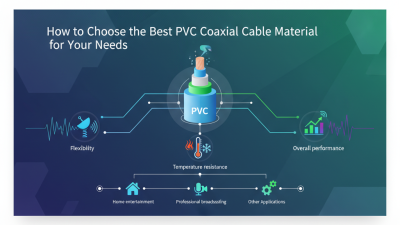
PVC coaxial cable material plays a significant role in signal transmission. Understanding the properties of these materials helps in making informed decisions. Some materials may excel in flexibility, while others offer superior weather resistance. Balancing these traits against cost is essential for every buyer.
There are unique challenges in choosing the right material. Not every PVC coaxial cable meets high standards. Additionally, some manufacturers may lack transparency about their production processes. Therefore, it is vital to evaluate reliability and quality when sourcing cables. Taking the time to assess different materials will lead to better outcomes in cable performance.
Overview of PVC Coaxial Cables in the Global Market
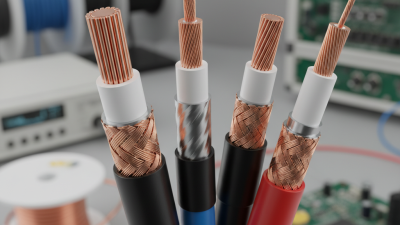
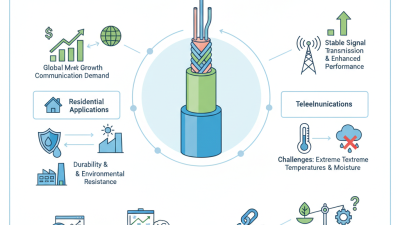
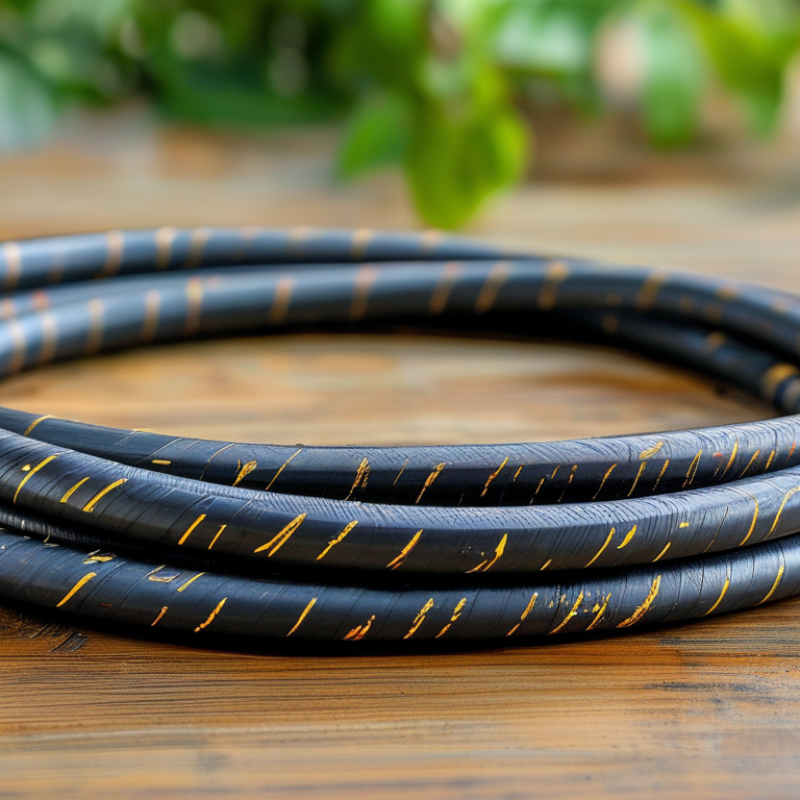
PVC coaxial cables play a critical role in global communications infrastructure. These cables are essential for transmitting radio frequency signals. They typically consist of an inner conductor, insulation, a shielding layer, and an outer PVC jacket. Recent industry reports indicate that the global PVC coaxial cable market was valued at approximately $3.6 billion in 2022 and is projected to grow due to the increasing demand for robust telecommunication networks.
The growing reliance on high-speed internet and digital connectivity drives this trend. PVC coaxial cables are favored for their durability and resistance to environmental factors. However, the market faces challenges like varying quality standards and inconsistent manufacturing practices. In some regions, the reliance on low-cost materials raises concerns about performance and longevity. According to a study by Transparency Market Research, only about 40% of manufacturers meet international standards for quality in PVC coaxial cable production.
As demand surges, balancing quality and cost becomes crucial. Buyers must understand the nuances of material specifications. Different applications may require different types of PVC. For example, cables intended for outdoor use need additional UV protection. Misjudgments about material properties can lead to issues in signal quality. Thus, informed sourcing is essential in ensuring reliability and operational efficiency.
Key Properties of PVC Materials Used in Coaxial Cables
PVC is a widely used material in coaxial cables due to its excellent insulating properties. It offers high resistance to moisture, chemicals, and UV exposure. These qualities make PVC an ideal choice for outdoor applications. Moreover, PVC is lightweight and flexible. This flexibility simplifies installation and reduces labor costs.
The durability of PVC contributes to the longevity of coaxial cables. However, not all PVC is created equal. Different formulations can affect performance. Some varieties may lack sufficient thermal stability. This can lead to breakdown over time, especially in extreme conditions. Buyers should carefully evaluate the PVC used in their cables. It’s essential to consider the specific application needs.
Environmental factors can influence PVC effectiveness. Temperature changes may affect signal transmission quality. PVC can expand and contract with heat, which may impact the cable’s structural integrity. Additionally, not everyone realizes that PVC recycling options can vary. This is an important point for environmentally conscious buyers. Understanding these properties is crucial for making informed purchasing decisions.
Top 10 PVC Coaxial Cable Manufacturers Worldwide
When exploring the PVC coaxial cable market, understanding the top manufacturers is essential. Several key players dominate this competitive landscape. According to industry reports, these manufacturers focus on innovation and quality control, meeting international standards. Most have established extensive supply chains, allowing them to quickly meet diverse market demands.
Tips: Always check for certifications. This ensures that the cables meet safety and performance standards. Quality can vary significantly between manufacturers.
A recent report highlights that the global PVC coaxial cable market is projected to grow at a CAGR of over 4% in the next five years. This growth is driven by the increasing demand for high-frequency cables in telecommunications and broadcasting sectors. Manufacturers are adapting by using advanced materials, enhancing signal transmission and durability.
Tips: Look for manufacturers that invest in R&D. Such companies typically lead in quality and innovation.
However, not all manufacturers maintain consistent quality. Issues can arise from poor production practices, leading to unreliable products. Buyers must research and compare multiple suppliers before making decisions. Ensuring a reliable supply chain is crucial in mitigating risks associated with low-quality materials.
Comparative Analysis of PVC and Alternative Coaxial Cable Materials
When selecting coaxial cables, PVC is one of the most common materials. It offers excellent electrical performance and cost-effectiveness. PVC is also resistant to moisture and chemicals, making it suitable for various environments. However, its rigidity can be a drawback. It is less flexible compared to alternatives. This could limit installation options in tight spaces.
Alternatives like polyethylene (PE) and fluorinated ethylene propylene (FEP) can offer significant advantages. PE provides better dielectric loss characteristics, especially at higher frequencies. In contrast, FEP boasts superior tensile strength and chemical resistance. These materials may enhance performance for specialized applications. However, they might come with a higher price tag. The choice often depends on balancing cost and performance needs.
It's essential to assess the specific requirements of each project. For standard applications, PVC remains a reliable choice. Yet, for those seeking high performance, exploring alternatives can yield better results. Ensuring the right fit for your needs is critical in making an informed decision.
Top 10 PVC Coaxial Cable Materials - Comparative Analysis
Future Trends in PVC Coaxial Cable Material Development and Usage
The PVC coaxial cable market is evolving. Recent industry reports indicate a significant shift towards sustainable materials. By 2025, the use of recycled PVC in coaxial cables is expected to increase by over 30%. This trend reflects a growing commitment to environmental responsibility among manufacturers. Despite this positive direction, only a small percentage of companies have fully adopted these practices.
Alongside sustainability, performance characteristics of materials are under scrutiny. A 2023 study highlighted that nearly 45% of buyers prefer cables with improved shielding. This shields against electromagnetic interference. However, achieving the right balance between flexibility and durability remains a challenge. Many manufacturers are still testing material combinations to optimize these features.
Future developments may involve the integration of smart technologies into PVC coaxial cables. This could enable real-time monitoring of performance metrics. The industry needs to prepare for potential hurdles, such as regulatory compliance and the availability of new materials. Ongoing research is essential, yet some companies may still underestimate the resources required for innovation.