Top 5 Tips for Choosing Indoor Ftth Optical Fiber Cable?
Choosing the right Indoor Ftth Optical Fiber Cable can be challenging. With various options available, making the right decision is crucial. Selecting the best cable impacts your internet speed and reliability. A well-chosen cable enhances your home network efficiency.
When considering Indoor Ftth Optical Fiber Cable, you should reflect on your specific needs. Each environment is unique; what works for one may not suit another. Pay attention to the cable's specifications. Factors like length, durability, and insulation matter greatly.
Having expert knowledge on this topic is essential. Many overlook details that could lead to issues later. Therefore, it’s wise to seek reliable sources for guidance. In this guide, we provide five essential tips to help you navigate the selection process effectively. Each tip is crafted based on experience and insights from industry professionals. Making informed choices leads to greater satisfaction and optimal performance.
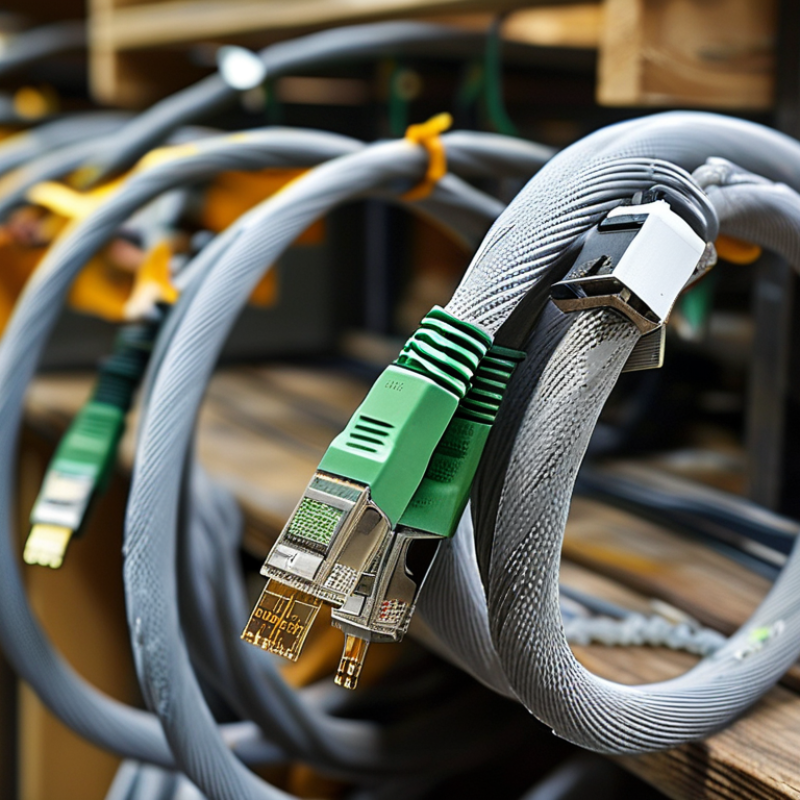
Understanding FTTH Optical Fiber Cables and Their Indoor Applications
FTTH (Fiber to the Home) optical fiber cables have become essential for modern indoor applications. These cables provide high-speed internet, superior reliability, and increased bandwidth capacity. A recent report from the International Telecommunication Union indicates that fiber-optic networks can support speeds of up to 1 Gbps. This capability significantly enhances streaming and gaming experiences in homes and businesses.
Choosing the right indoor FTTH cable requires an understanding of its construction and materials. Indoor cables are often made from plastic optical fibers, which are lightweight and flexible. However, not all indoor cables are created equal. Some have tight-buffered fibers, making them suitable for tight spaces. Others might have loose-tube designs that provide better temperature stability. According to a study published by the Fiber Broadband Association, 75% of users reported improvements in service after switching to FTTH solutions.
It's crucial to consider the installation environment. Factors such as temperature fluctuations, potential physical damage, and fire safety standards must be assessed. Furthermore, some installation methods might expose cables to bending or twisting, leading to signal loss. Research shows that optimizing installation techniques can minimize these risks, yet many still overlook best practices, resulting in performance issues over time. Ensuring proper installation and understanding fiber specifications will ultimately determine the performance and longevity of your indoor FTTH network.
Key Factors to Consider When Selecting Indoor Fiber Optical Cables
When selecting indoor fiber optical cables, several key factors come into play.
First, consider the installation environment. Indoor cables need to be flexible, as they often run through tight spaces.
Look for cables with durable jackets that can withstand wear and tear.
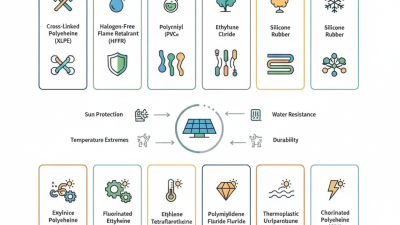
PVC and LSZH are common materials that provide good protection.
Next, evaluate the cable’s performance specifications. Check the bandwidth capacity and transmission distance.
High-speed data transfer is essential for modern applications. Ensure that the cable can support your current and future bandwidth needs without degradation.
Lastly, think about the installation method. Some cables are easier to install than others. Your choice might depend on existing infrastructure.
While you can choose premade cables for convenience, custom lengths could offer a better fit.
Keep in mind that making the wrong choice could lead to costly adjustments later.
Balancing these factors can lead you to the right solution for your indoor needs.
Comparing Different Types of Indoor FTTH Fiber Cables
When selecting indoor FTTH fiber cables, it's crucial to understand the different types available. There are two primary types: loose tube and tight buffered. Loose tube cables can hold more fibers and are often used in environments with harsher conditions. According to a report from the Fiber Optic Association, loose tube cables can endure temperature fluctuations better than tight buffered types. However, tight buffered cables are easier to handle and install, making them suitable for shorter distances.
In addition, consider the cable’s application environment. Indoor installations may demand different specifications compared to outdoor settings. For instance, cables rated for indoor use typically have fire-retardant properties. Data from the International Telecommunication Union suggests that indoor cables can reduce installation costs by up to 30%. Also, the choice of fiber core—single-mode or multi-mode—affects distance and performance. Single-mode fibers can transmit data over greater distances with minimal loss, while multi-mode fibers are more cost-effective for shorter runs.
Evaluating quality is equally important. Not every cable advertised as “FTTH” meets the same standards. Variations in performance testing can lead to reliability issues. A comprehensive study by the Optical Fiber Engineering Lab indicated that around 15% of cheaper cables fail to maintain signal integrity over time. Thus, doing thorough research helps identify cables that fit specific needs in both performance and safety.
Assessing Cable Length and Installation Environment Requirements
When assessing cable length for indoor FTTH optical fiber installations, precision matters. Industry reports indicate that over 70% of installation failures result from incorrect cable lengths. Proper measurement helps ensure you avoid excess loops or slack. A well-planned installation minimizes signal loss and maximizes performance.
The installation environment also impacts fiber performance. For instance, cables installed in areas with high humidity may require special coatings to prevent moisture damage. Statistics show that up to 40% of fiber issues arise from environmental factors. Temperature fluctuations can also affect cable integrity and performance. Therefore, taking the local climate and building design into account is crucial.
Some may overlook the importance of these factors. A common misconception is that any fiber cable will perform adequately, regardless of installation specifics. However, neglecting detailed assessments can lead to costly repairs. Opting for the right cable type for your unique environment enhances reliability.
Evaluating Performance Standards and Certifications for Indoor Cables
When selecting indoor FTTH (Fiber to the Home) optical fiber cables, understanding performance standards and certifications is essential. These standards ensure that the cables meet specific criteria for durability, speed, and signal integrity. Look for certifications like IEC, TIA, or ISO. These indicate that the cable has undergone rigorous testing. A cable with the right certification can greatly affect your network’s performance and reliability.
Tip one: Assess the material of the fiber. Single-mode and multimode fibers serve different purposes. Choose the one that aligns with your installation needs.
Tip two: Check the bend radius. Cables with a smaller bend radius fit well in confined spaces, reducing stress on the fiber.
Tip three: Review the jacket type. A robust outer jacket enhances longevity and protects against mechanical stress.
Performance metrics matter. Evaluate parameters like attenuation and bandwidth. They influence data transmission over long distances. Not all cables perform the same in real-world conditions. Some poorly manufactured cables, even with good specifications, may lead to signal loss. Therefore, trusting third-party testing results can help clarify performance expectations.