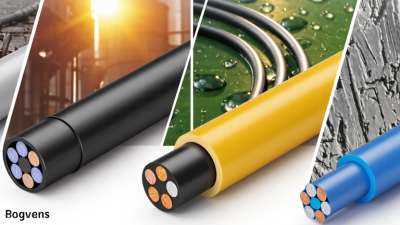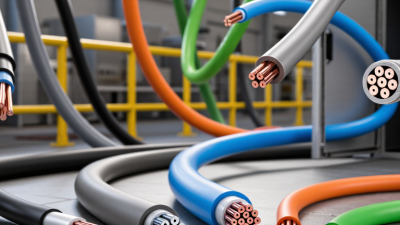
Choosing a Frp Cable Strengthen Core is not just a matter of comparing tensile strength figures. Buyers also need to assess stiffness, weight, corrosion resistance, dimensional consistency, and compatibility with the cable design. A core that performs well on a laboratory data sheet may still be unsuitable if its diameter varies or its surface does not bond properly with surrounding materials.
Dr. Antonio Nanni is a recognized researcher in fiber-reinforced polymer materials. A relevant takeaway from his published work is that FRP performance should be evaluated in the context of its intended structural application. This is a paraphrase, not a verbatim quotation, and his research does not by itself establish the suitability of any specific cable core. That distinction matters.
In this guide, the five options are considered through practical buyer questions: What load must the core support? How much bending can the cable tolerate? Will moisture, temperature changes, or handling affect service life? Look beyond the headline strength value. Ask suppliers for test methods, product tolerances, and application-specific data. Check the details.
The right choice depends on the cable’s design and operating environment, not a single ranking. Some product information may be incomplete, so buyers should verify critical specifications before purchase. That takes extra effort. It can also prevent a costly mismatch between the core and the finished cable.
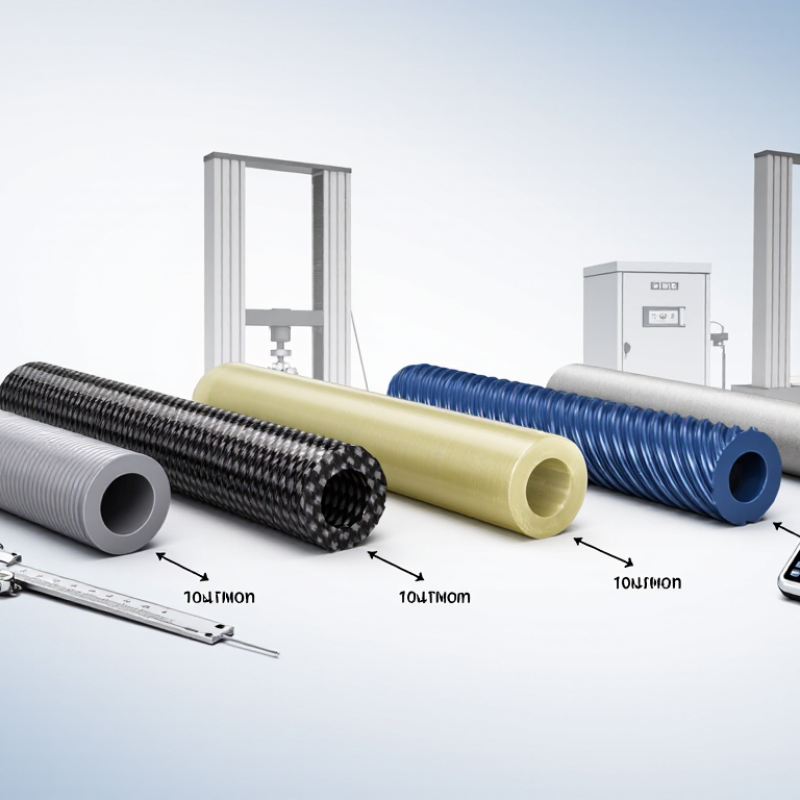
An FRP cable strengthening core is a load-bearing composite rod inside an overhead conductor. It usually combines continuous glass or carbon fibers with a cured resin matrix. The fibers carry tension; the resin holds them in alignment and transfers stress between them. Aluminum strands around the core carry most of the electrical current. The core helps support the conductor across long spans, including between poles where wind and ice add mechanical strain. Think of a taut, lightweight backbone. The exact fiber type, resin, and surface design vary by application.
Its low thermal expansion can help limit sag as conductor temperature rises, but performance depends on the full cable design and installation. A core is not a cure-all.
For buyers, check tested tensile capacity, bending limits, operating temperature, and compatibility with fittings. A small detail can matter: damage from tight handling may be hard to see, yet affect long-term reliability. The DOE report gives useful context, but site-specific engineering still matters.
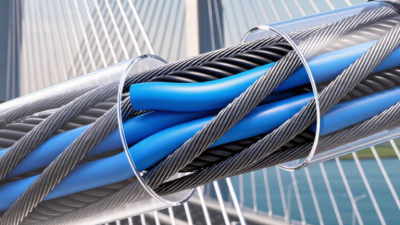
An FRP strengthening core must carry tension without adding unnecessary weight. E-glass is a practical, economical option for many cable designs. Higher-grade glass fibers can offer greater tensile performance, but resin quality and fiber alignment still matter. A strong fiber alone does not make a reliable core.
Carbon-fiber cores are valued for high stiffness and low mass. They can limit sag where temperature changes are important, though cost and electrical conductivity require careful consideration. Basalt-fiber cores offer useful corrosion resistance and stable performance in demanding environments. Their properties can vary between formulations, so compare tested data rather than relying on broad claims. That trade-off matters.
Aramid fibers provide high strength at low weight, but moisture protection and long-term creep behavior deserve attention. Hybrid cores combine fibers to balance stiffness, strength, and cost. Small details count. Check tensile strength, elastic modulus, thermal expansion, fatigue results, and compatibility with the cable’s resin system. Ask for test conditions, not just headline values. Not every site agrees with the laboratory. Real operating temperatures, installation tension, and exposure to water can change which core performs best. A careful buyer should compare complete cable assemblies, since the core is only one part of the system.
Glass-fiber FRP is a common choice for nonconductive strength members in fiber-optic cables. It resists corrosion and avoids electrical interference near power equipment. Carbon-fiber FRP offers much higher stiffness, making it useful where a slender core must limit cable sag or stretch. ACI 440.1R-15 reports typical elastic-modulus ranges of 35–51 GPa for GFRP bars and 120–580 GPa for CFRP bars. These are reinforcing-bar benchmarks, not cable-core ratings. Check the supplier’s tested cable data.
Aramid-fiber cores suit lightweight cables that need flexibility and strong tensile performance, including aerial communication lines. Basalt-fiber FRP can serve in corrosion-prone settings, though product data and design experience are less consistent. Hybrid cores combine fibers, such as carbon and glass, to balance stiffness, cost, and handling. There is no universal winner. ACI’s figures show why: fiber type alone can produce a wide spread in stiffness, while resin, geometry, and layup also matter. Ask for tensile strength, modulus, creep, bend-radius, and temperature test results. A core that looks ideal on paper may be awkward to install.
A cable core must carry tension without adding unnecessary weight. Compare tensile strength and elastic modulus, but do not treat them as interchangeable. Strength indicates how much load a core can withstand; stiffness affects how much it stretches under load. Ask suppliers for test results tied to the core’s diameter and construction, not a single headline figure. Check whether figures describe the finished core or just its fibers.
Weight matters during handling and installation. Compare mass per unit length at the same diameter, then consider how the core fits the cable design. A lighter option may reduce the load on supporting structures, but only if it meets the project’s mechanical requirements. Small details count. Inspect sample surfaces for uneven resin, exposed fibers, or rough patches. These can signal process variation, though appearance alone cannot confirm performance.
Durability depends on the resin system, fiber alignment, and exposure conditions. Ask how samples perform after relevant heat, moisture, and aging tests, and review the test methods before comparing results. A core used outdoors may face temperature swings and prolonged sunlight. Request evidence for those conditions. Still, comparisons are rarely perfectly neat: test setups differ, and published results may not match field use. That uncertainty deserves attention. Check production consistency, quality records, and installation guidance alongside strength and weight. A short sample inspection helps, but it is not a substitute for documented testing.
5 Best FRP Cable Strengthening Cores for Buyers?
Choosing an FRP Cable Core for Project Conditions and Requirements
The right FRP core depends on load, span, exposure, and installation method. A lightweight core may ease handling on a rooftop, while a high-modulus option can limit elongation under sustained tension. Match the core to the complete cable assembly, not just its advertised tensile strength. Small details matter.
ACI 440.1R-15 reports tensile strengths of approximately 483–1,600 MPa and elastic moduli of 35–51 GPa for GFRP reinforcing bars. These figures offer a useful material-level reference, not a cable-core rating. Reinforcing bars and cable cores differ in construction and testing, so request product-specific tensile, fatigue, creep, and environmental test results. A strong specification can still miss real installation conditions.
Tips: Compare the core’s rated load with the project’s peak and sustained loads. Check temperature, moisture, UV exposure, bend radius, and connection details. Ask how performance changes after aging tests. ACI’s data are a starting point; they cannot replace assembly testing. And assumptions deserve another look.
Typical tensile-strength ranges for reinforcing fibers used in FRP core materials
Carbon and S-glass fibers can offer high tensile strength, while E-glass, basalt, and aramid may suit different cost, weight, and project needs. Values are indicative fiber-level ranges in GPa—not guaranteed finished-core or cable performance. Compare product data and project requirements before selecting a core.