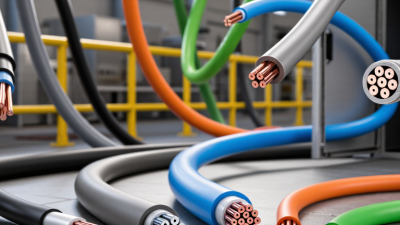
China Top PVC Network Cable Material Manufacturers
Choosing a supplier for Pvc Network Cable Material involves more than comparing price lists. Cable performance depends on the compound’s formulation, processing stability, and suitability for its intended application. A material that runs smoothly through one production line may behave differently with another screw design or extrusion temperature.
This guide introduces China’s PVC network cable material manufacturers and the factors buyers can assess before requesting samples. Look for clear technical data on hardness, tensile strength, elongation, electrical properties, and operating temperature. Ask how batches are identified and whether test reports match the specific grade being offered. Small details matter. A stable pellet feed, for example, can help reduce interruptions during extrusion, while consistent insulation thickness supports more predictable cable production.
Supplier claims still need checking. A polished datasheet does not show how a compound performs across repeated production runs, and published figures may depend on test conditions. Request relevant samples, confirm the intended cable structure, and discuss color, flame-retardant requirements, and processing limits with the manufacturer. If possible, compare trial results under your own production settings. This step takes time, but it can reveal practical differences that a quote cannot.
The right partner is not automatically the largest or cheapest factory. It is the supplier that explains its material clearly, responds to technical questions, and provides evidence that fits your use case. Some uncertainty remains until testing. That is worth acknowledging.
What PVC Network Cable Materials Are and Where They Are Used
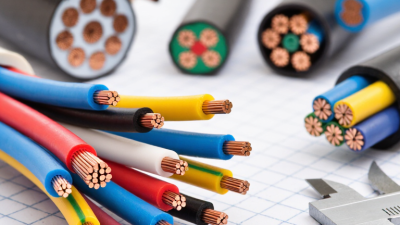
PVC network cable material is a formulated compound, not simply raw PVC resin. It typically combines PVC resin with plasticizers for flexibility, heat stabilizers, processing aids, and selected pigments. Some formulations also include flame-retardant components. The recipe affects softness, surface finish, color consistency, and extrusion performance. During production, the compound is shaped around conductors or cable cores. A smooth jacket matters. It helps prevent snags as installers pull cable through trays, conduits, or wall cavities. This practical detail is easy to overlook.
These compounds commonly serve as outer jackets for indoor Ethernet and other communication cables in homes, offices, classrooms, and equipment rooms. Depending on the cable design, PVC may also insulate individual conductors. Its useful traits include processability, flexibility, abrasion resistance, and clear color coding. But one grade does not fit every installation. Temperature range, flame and smoke behavior, oil exposure, and bending requirements should be checked against the cable specification and project conditions. A jacket that feels soft in a sample room may stiffen in a cold space. That is worth testing. Material selection should rely on documented test data, not appearance alone.
Key Properties and Formulations of Cable-Grade PVC Compounds
China Top PVC Network Cable Material Manufacturers
Cable-grade PVC compounds balance flexibility, insulation, processing stability, and resistance to heat. The formulation begins with PVC resin, but resin selection alone does not define performance. Plasticizers help control softness and low-temperature flexibility. Heat stabilizers protect the compound during mixing and extrusion. Lubricants support smooth flow through the die. Small changes matter.
Fillers can adjust cost, stiffness, and processing behavior, while flame-retardant additives may be used when the cable design requires them. Each addition can affect other properties. Too much filler, for example, may reduce elongation or make extrusion less consistent. A compound should be tested in the intended cable structure, not judged only as a neat pellet. That detail is easy to overlook.
Quality checks typically include tensile strength, elongation at break, volume resistivity, and aging performance. Extrusion trials also reveal practical issues, such as rough surfaces, unstable dimensions, or die buildup. For network cables, insulation consistency and dependable electrical behavior are essential. There is no universal recipe. A formulation that runs well on one line may need adjustment for another, so production feedback should guide refinement.
How PVC Network Cable Materials Are Manufactured in China
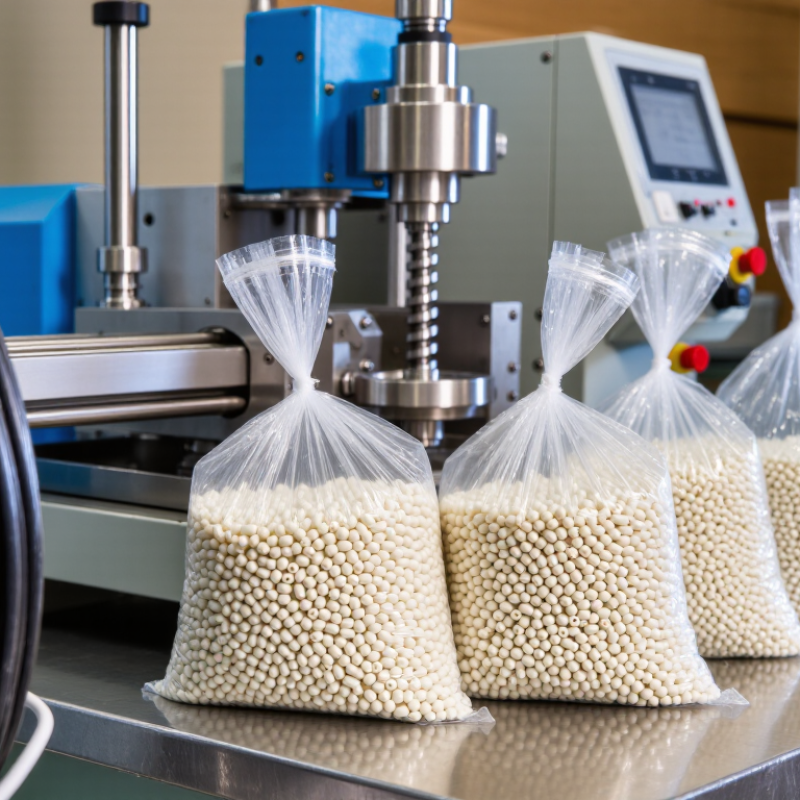
PVC network cable materials in China are typically made by compounding PVC resin with plasticizers, heat stabilizers, lubricants, and selected fillers. The exact recipe depends on whether the compound is intended for insulation or an outer jacket. Production starts with weighed batches. Operators check the raw materials for consistency before mixing them in a high-speed mixer. Small errors matter.
The blended material then passes through an extruder, where controlled heat and shear create a uniform melt. Temperature needs close attention because overheated PVC can discolor or degrade. The compound is cooled and cut into pellets for cable manufacturers to process later. Not every batch behaves identically. Humidity, ingredient variation, and equipment settings can affect flow and surface finish.
Quality checks may include hardness, tensile strength, elongation, and heat-aging tests. For cable use, manufacturers also assess electrical performance and flame behavior against the customer’s specifications. Pellet appearance is useful, but it cannot prove performance on its own. A careful supplier keeps batch records and tests samples from production lots; still, testing conditions should be reviewed, not simply accepted as a number on a report.
How PVC Network Cable Materials Are Manufactured in China
Representative temperature ranges used in key PVC compounding and cable-processing stages
PVC cable compounds are typically hot-mixed, cooled, compounded, and then extruded onto conductors. The ranges shown are indicative industry operating temperatures, not fixed specifications; actual settings vary with the formulation, equipment, and production conditions.
China’s Leading PVC Network Cable Material Manufacturers
China’s Leading PVC Network Cable Material Manufacturers
China’s leading PVC network cable material manufacturers serve cable producers that need stable insulation and sheathing compounds. Their work involves more than supplying pellets. A dependable supplier should explain resin selection, plasticizer choices, flame-retardant systems, and processing conditions in clear terms. These details affect flexibility, surface finish, and performance during extrusion.
Ask for technical data sheets and recent test reports before comparing quotations. Check whether the reported values match your intended cable structure and operating environment. A sample run can reveal issues that a specification sheet misses, such as uneven flow or a dull surface. Small differences matter. Manufacturing consistency also depends on batch control, equipment settings, and communication when a formulation changes. Even capable suppliers may not get every detail right on the first trial; record the results and discuss adjustments openly.
Tips: Request a sample batch, confirm its test methods, and document extrusion temperature, line speed, and appearance. Compare material cost with process stability and waste, not price alone. If a supplier cannot explain a test result plainly, pause and ask for clarification. That extra step is worthwhile.
How to Evaluate and Select a Chinese PVC Cable Material Supplier
China Top PVC Network Cable Material Manufacturers
How to Evaluate and Select a Chinese PVC Cable Material Supplier
Choosing a supplier takes more than comparing price sheets. PlasticsEurope’s Plastics – the Fast Facts 2024 reports global plastics production of 413.8 million tonnes in 2023. This figure covers all plastics, not PVC alone, so it cannot prove a supplier’s cable-grade expertise. Ask for compound-specific test results, including tensile strength, elongation, volume resistivity, and thermal aging. Check that each result identifies the test method and material batch.
Request recent production samples, then compare them with the supplier’s certificates and stated specifications. For network cable compounds, confirm processing consistency, color stability, and performance after heat aging. Review quality-system records and arrange a factory audit where practical. A polished datasheet is useful, but it may not show how batches vary during routine production. That gap deserves attention.
Tips: Ask for a sample from a normal production run, not a specially prepared batch. Keep your own test record, including sample date and batch number. If results differ, pause before placing a large order.